
Addiction Recovery Therapy Bundle (2026)
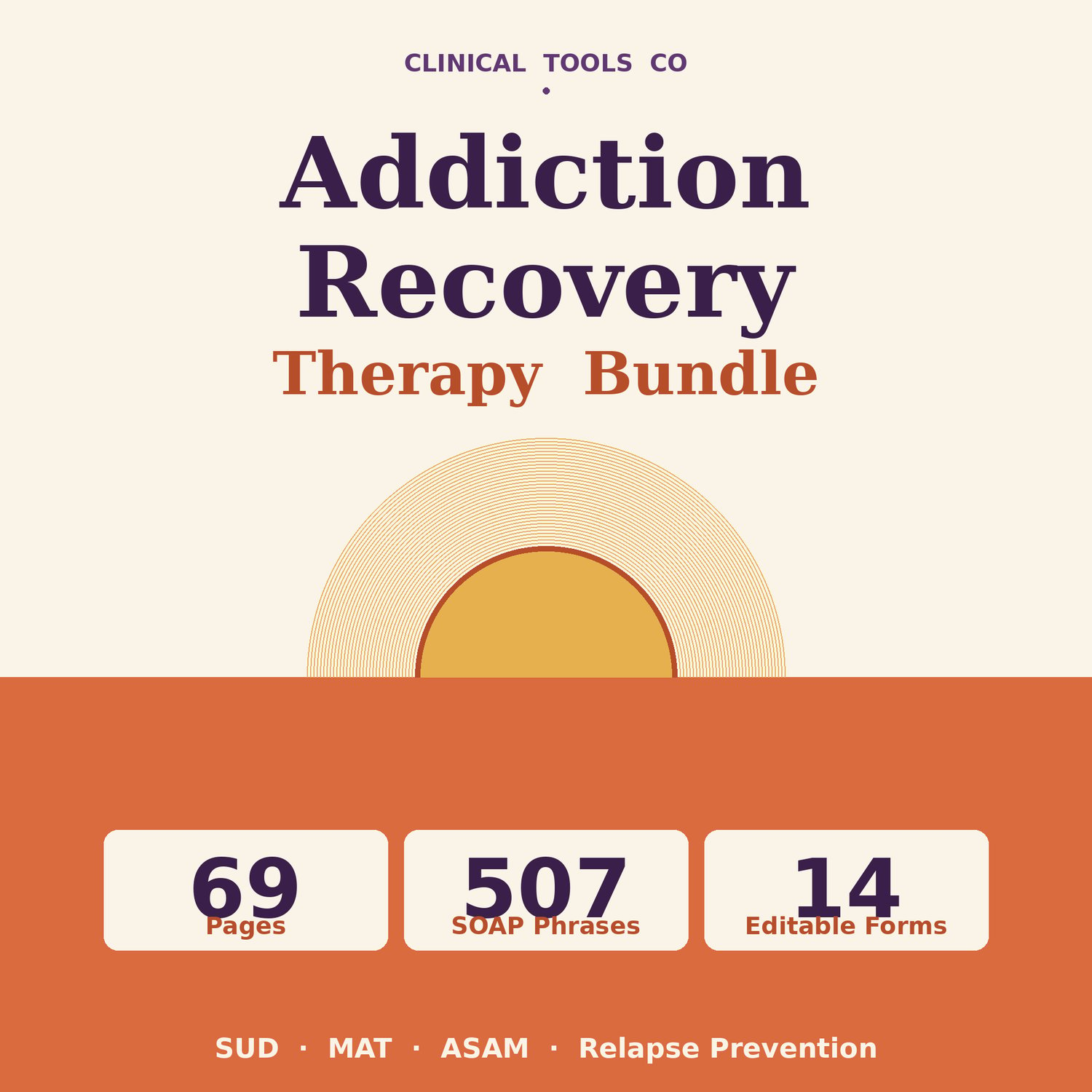
An addiction recovery therapy bundle: an ASAM-mapped intake, screening tools, a treatment plan template, medication coordination consent, a relapse prevention plan and session note templates.
What is in the bundle
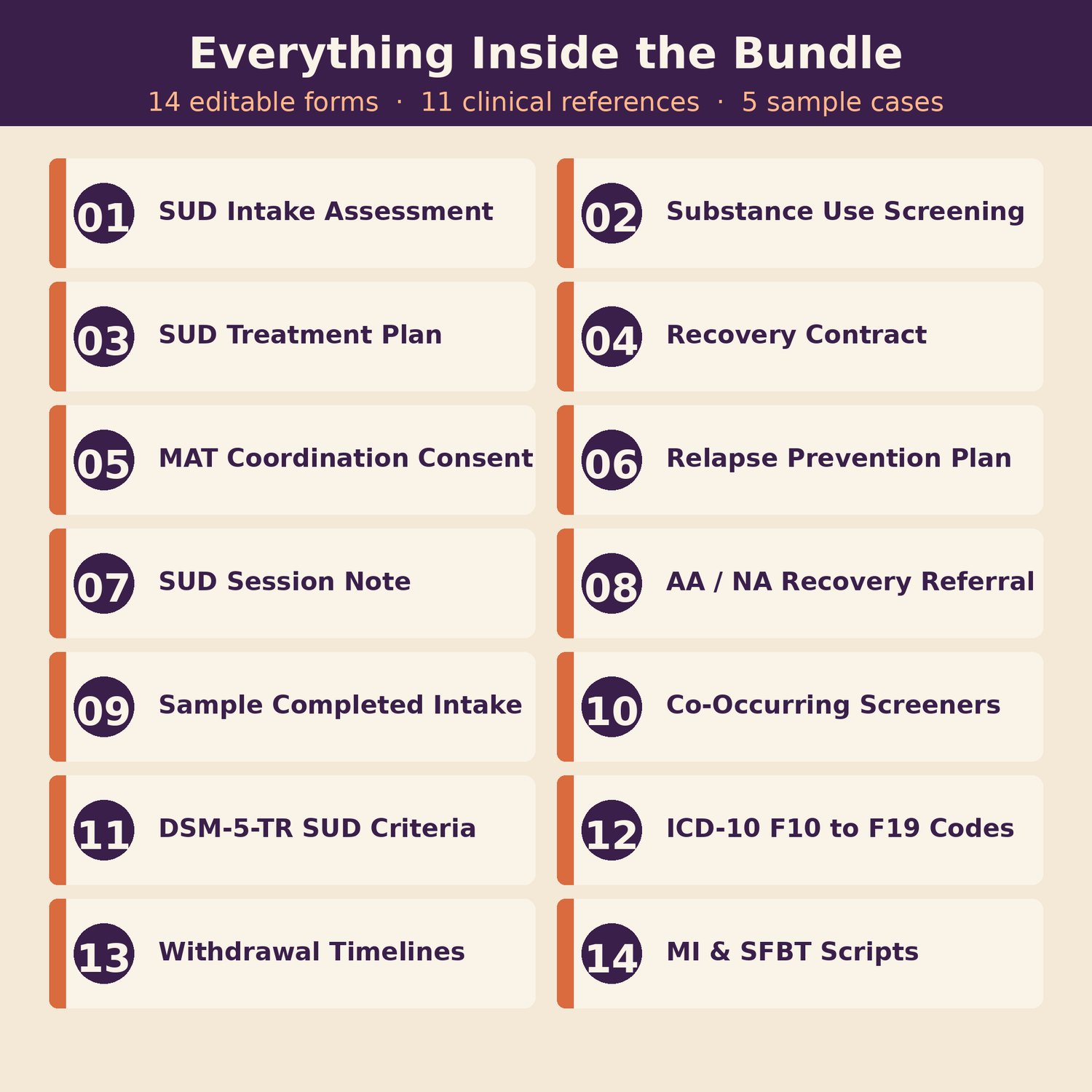
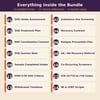
- Section 1: Bundle contents, instructions for use and the regulatory framework, with the full reference list
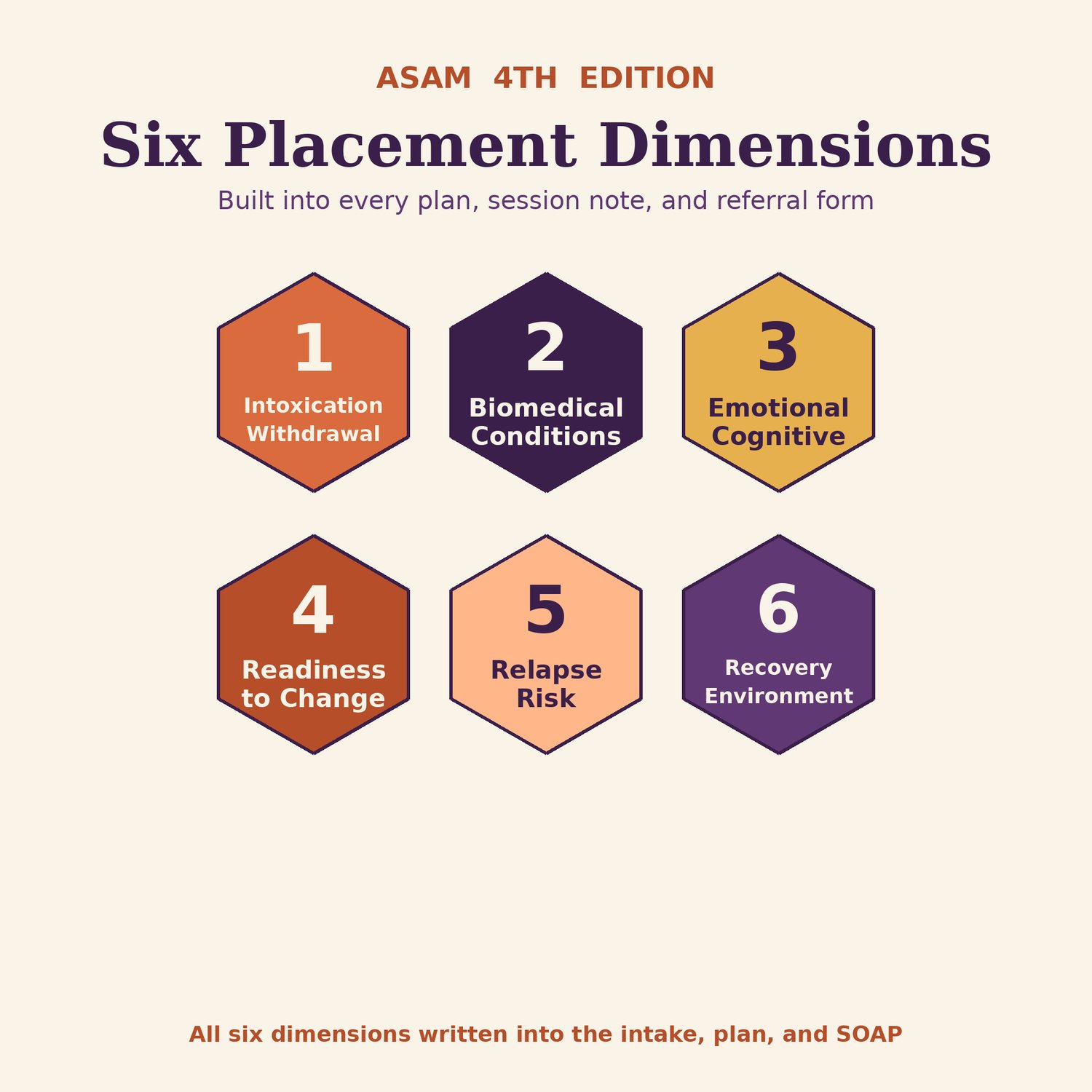
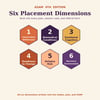
- Section 2: Intake assessment mapped to the ASAM Criteria, with a current substance use grid across eight classes, lifetime history, the six-dimension assessment, a recommended level of care and a DSM-5-TR diagnosis with severity
- Section 3: Screening tools including the full AUDIT-10 and DAST-10 with item scoring, interpretation ranges and a brief intervention framework
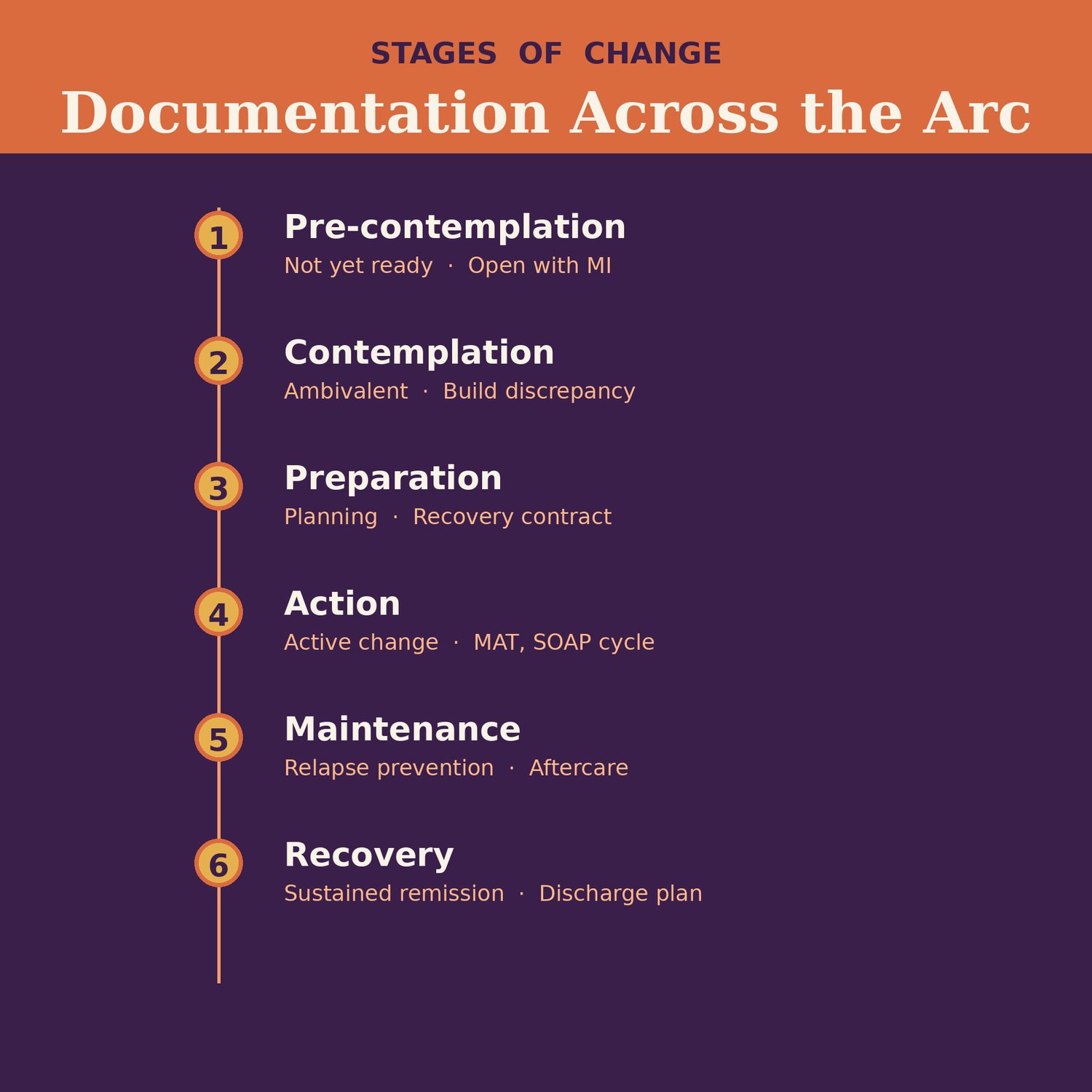
- Section 4: Treatment plan template with goals, objectives and interventions, plus a recovery contract template
- Section 5: Medication coordination consent for working with a prescriber, including the Part 2 disclosure language a standard release does not satisfy
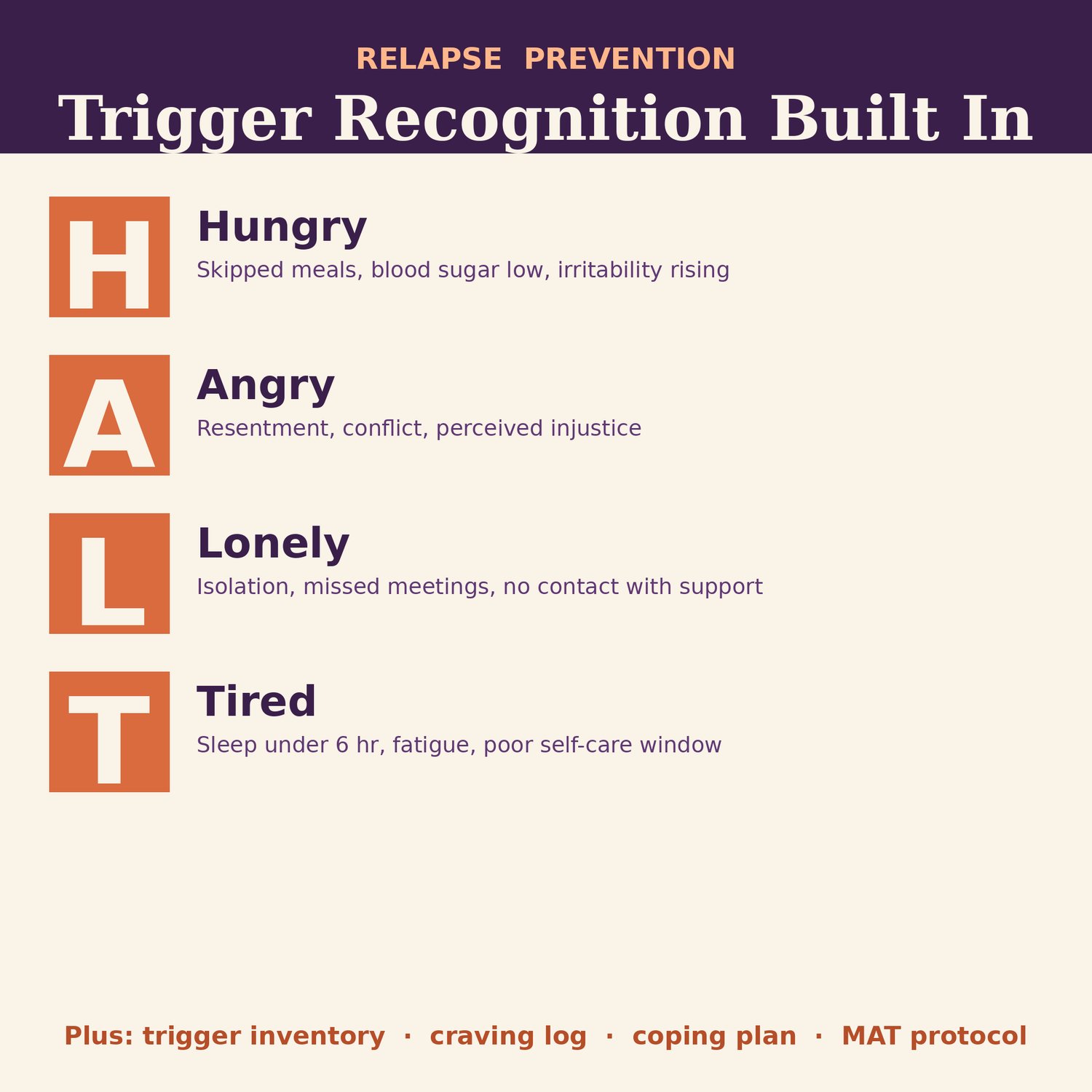
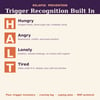
- Section 6: Relapse prevention plan grounded in Marlatt and Donovan, with trigger identification, coping strategies, the lapse versus relapse distinction and return-to-treatment criteria
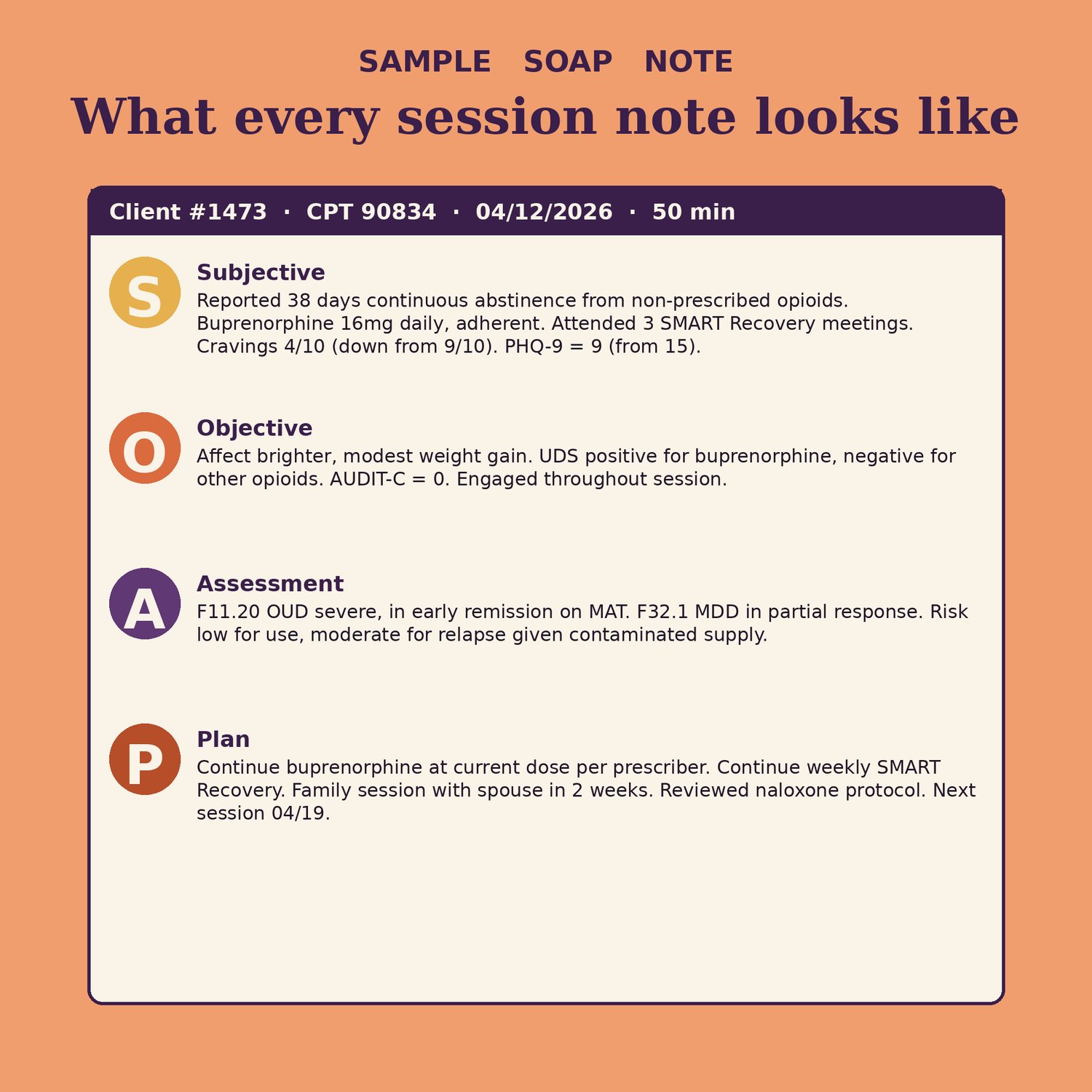
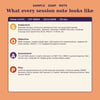
- Section 7: Session note template in SOAP structure with substance-use-specific fields
- Section 8: Recovery resource referral template for warm handoff to mutual support, covering 12-step, SMART Recovery, Wellbriety, faith-based and digital recovery options
- Section 9: A sample completed intake with a full composite case, level of care and medication consultation rationale, and an eight-component treatment plan
- Section 10: Co-occurring screeners with full items and scoring for depression, anxiety and suicide risk
- Section 11: DSM-5-TR substance use disorder criteria reference with all 11 criteria, severity specifiers and remission specifiers including on maintenance therapy
- Section 12: ICD-10 code reference across all substance classes with severity, remission, intoxication and withdrawal specifiers
- Section 13: Withdrawal timelines by substance covering onset, peak, acute duration, symptoms, severe complications, post-acute symptoms and medication options for each class
- Section 14: Motivational interviewing question banks for exploring use, building discrepancy, evoking change talk, strengthening commitment and working with resistance
- Section 15: Solution-focused brief therapy scripts adapted for recovery
- Section 16: Cultural considerations using the ADDRESSING framework, with practical adaptations and community-specific recovery options
- Section 17: Trauma-informed care and the ACE score, with all ten questions, scoring interpretation and six trauma-informed principles
- Section 18: Discharge planning and aftercare, with a full checklist and an aftercare plan template
- Section 19: Dual diagnosis considerations covering the most common co-occurring patterns and integrated treatment principles
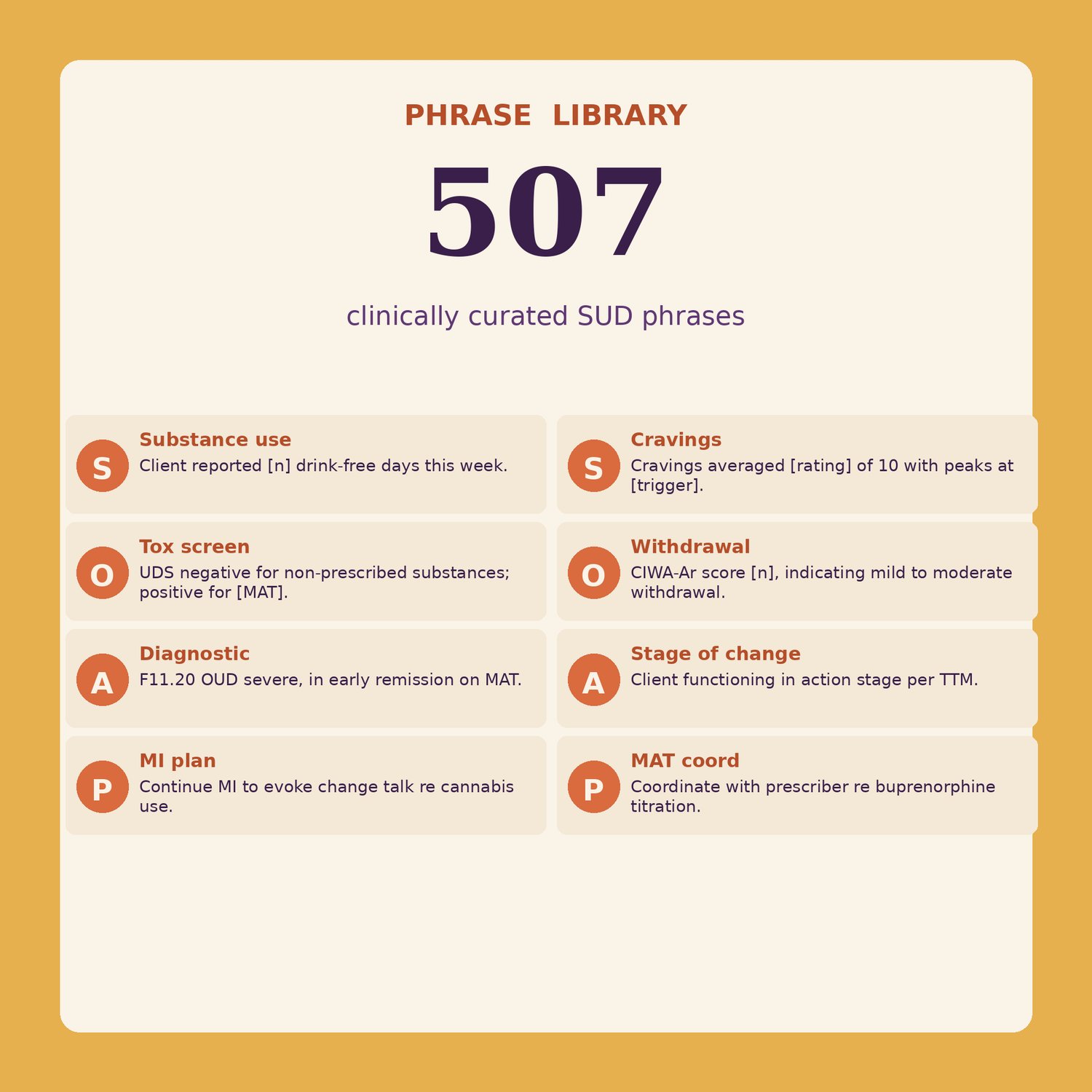
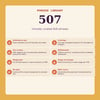
- Section 20: An extended phrase library of more than 500 clinically curated SOAP-organized phrases
Who it is for
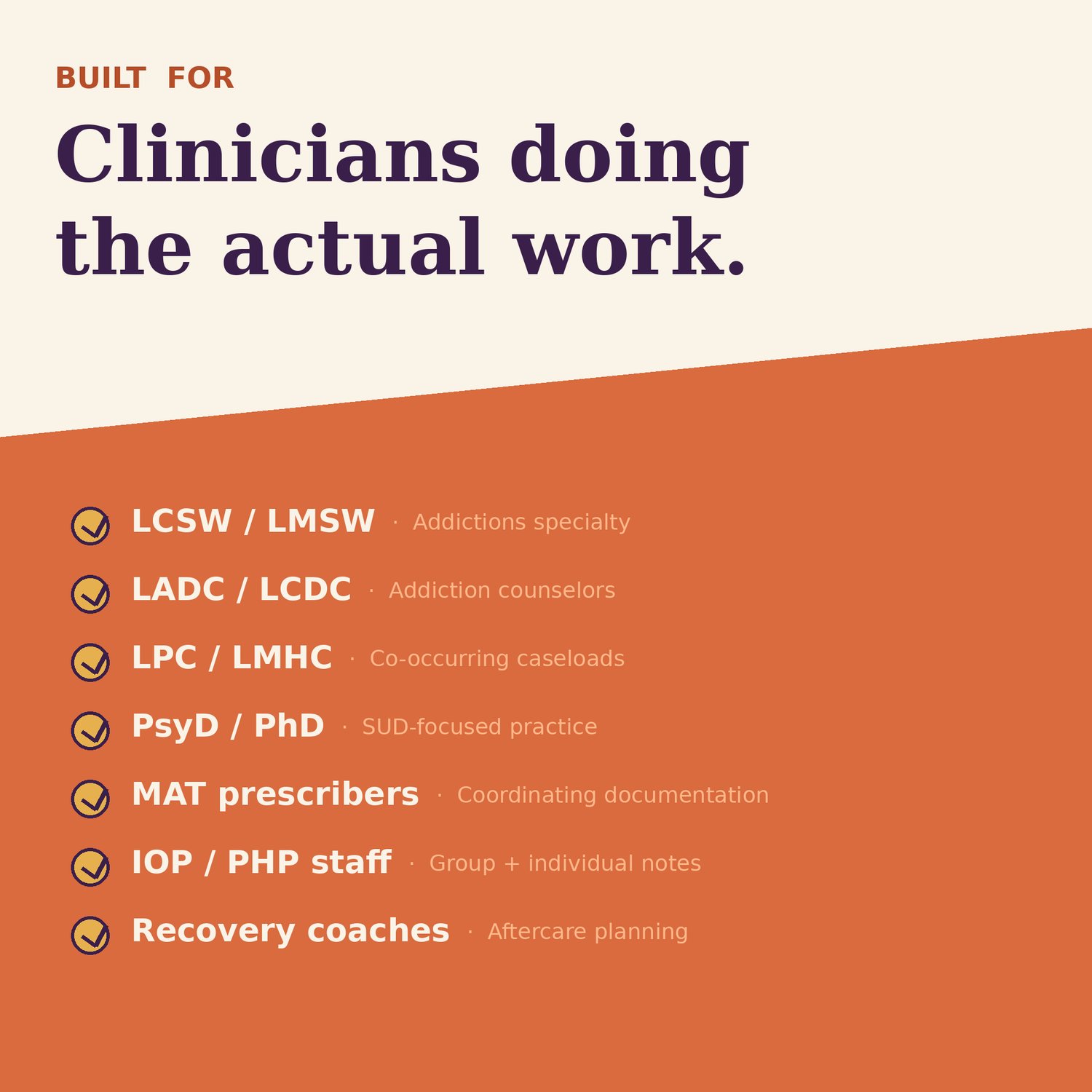
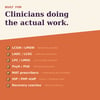
- Licensed clinicians (LCSW, LMFT, LPC, LCMHC, LMHC, LADC, CADC, MAC) doing this work in outpatient, IOP, PHP or residential settings
- Generalist clinicians who carry patients with co-occurring substance use disorders
- Pre-licensed clinicians and trainees building their first caseload under supervision
- Addiction-specialty clinicians working in Part 2 covered programs
- Clinical supervisors teaching documentation and placement to supervisees
- Group practice owners standardizing intake and treatment plan documentation
- Psychiatric nurse practitioners and psychiatrists doing treatment and medication coordination
Why it exists
The new client just disclosed daily alcohol use, withdrawal tremors in the morning, and a depression that has not lifted in eight months. You have a generic intake template. You do not have an ASAM dimensional assessment, a DAST score, a medication coordination consent, or a withdrawal timeline reference. The clock is running.
This is the binder I built after my first year working with substance use disorders in a generalist outpatient practice, when I realized the templates I was using were borrowed from depression and anxiety work. Substance use treatment is its own specialty. It has its own confidentiality regulation, stricter than HIPAA. Its own placement framework. Its own coordination requirements with prescribers and the recovery community. Its own documentation expectations.
78 pages covering every form, screening tool, treatment plan, consent, relapse prevention worksheet, motivational interviewing question bank, withdrawal timeline and documentation phrase library a clinician working with substance use disorders needs. Aligned with the ASAM Criteria fourth edition (2023) and built around 42 CFR Part 2 confidentiality. Written by a practicing clinician for licensed clinicians and supervised pre-licensed staff.
Why this is different
Most substance use documentation circulating online is borrowed from generalist mental health practice and does not address what makes addiction work distinct: the confidentiality regulation, placement criteria, medication coordination, relapse prevention as a structured intervention, and the per-substance withdrawal timelines that drive medical coordination decisions.
The ASAM-mapped intake matters because level-of-care placement is the most consequential decision in this work, and the dimensions are the framework insurance utilization reviewers, residential programs and outpatient referral sources all use.
The medication coordination consent matters because the most-used medications require coordination with a prescriber, and the consent has specific disclosure requirements a standard release does not satisfy.
The withdrawal timelines reference matters because clinicians who do not know that benzodiazepine withdrawal can be life-threatening and requires a medically managed taper, or when alcohol withdrawal peaks, are the clinicians who miss a medical emergency.
The phrase library matters because notes in this practice need specific language about cravings, medication response, recovery community engagement, lapse versus relapse, harm reduction and sobriety milestones that generalist libraries do not cover.
The trauma-informed section and ACE reference matter because trauma and substance use co-occur at high rates in clinical samples, and treatment without a trauma-informed framework produces worse outcomes.
Format
- Editable, fillable PDF (78 pages)
- Editable Microsoft Word (.docx) with the same content for in-house customization
- Intake, treatment plan, consent, note and reference templates ready to drop into your EHR
- US Letter and A4 sizes both included
- Works on Mac, Windows, iPad, GoodNotes, Notability
- Lifetime access, unlimited prints
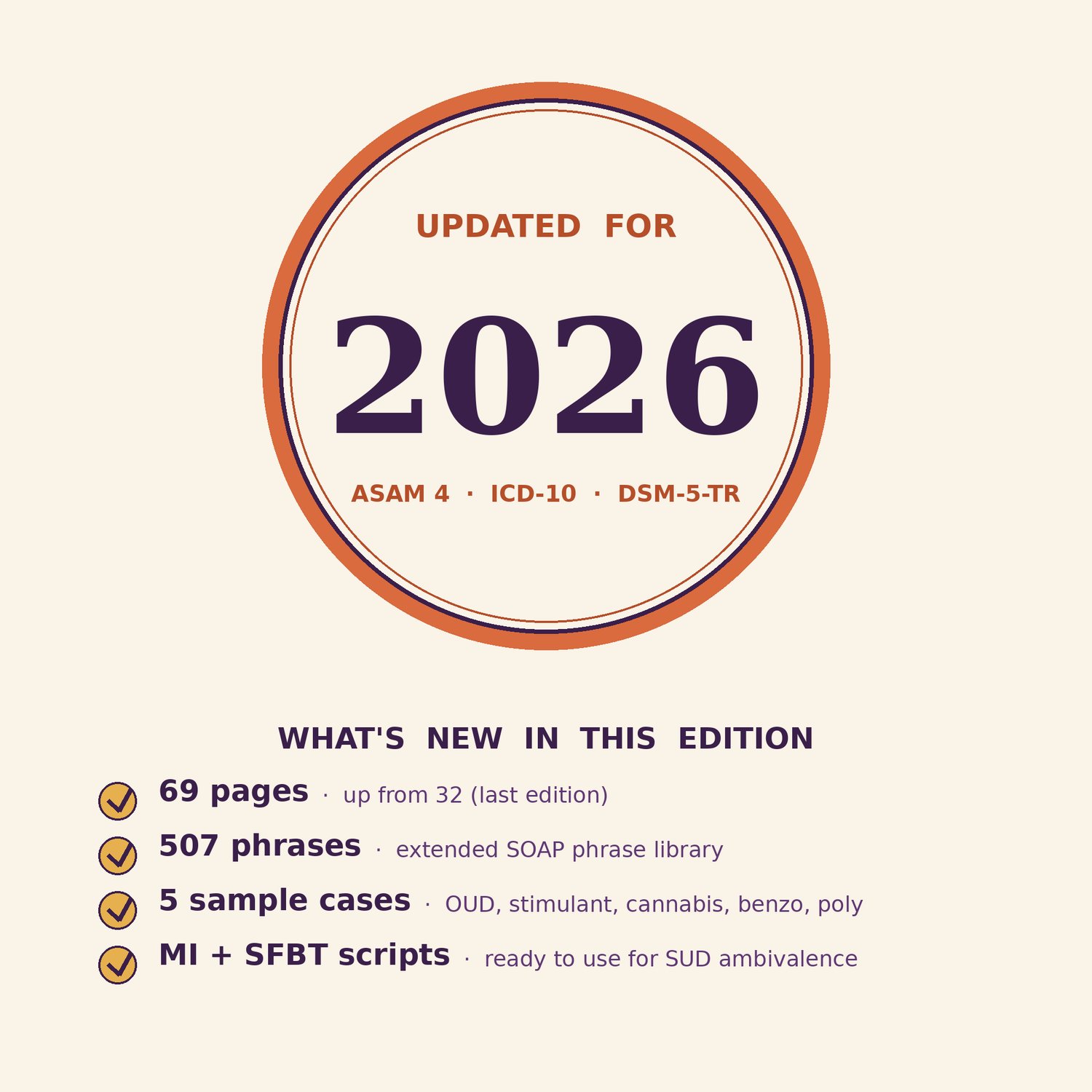
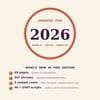
Updated 2026
References the ASAM Criteria fourth edition (2023), SAMHSA Treatment Improvement Protocol guidance, 42 CFR Part 2, and Marlatt and Donovan (2005) on relapse prevention. Uses DSM-5-TR criteria and ICD-10-CM codes. Validated screening tools include AUDIT-10, DAST-10, PHQ-9, GAD-7 and the Columbia screen. The ACE score uses the original ten-question version. The trauma-informed framework follows SAMHSA TIP 57 and the cultural framework uses the ADDRESSING model.
A note from the designer
I am a practicing clinician. I built this after my first year working with substance use disorders in a generalist outpatient practice. The section I give every supervisee is the withdrawal timelines, because clinicians who do not recognize a developing medical emergency are the ones who miss the call to the prescriber that prevents a seizure.
Recovery is the work. Good documentation is what protects the work.
Digital download. No physical product ships. Reach out by email if anything does not work or if you have questions.