
Adult ADHD Diagnostic Battery (2026)
An adult ADHD diagnostic battery: a structured 60 to 90 minute interview, the age-of-onset gate under Criterion B, ASRS-v1.1 scoring, a collateral informant protocol and validity testing guidance.
What is in the battery
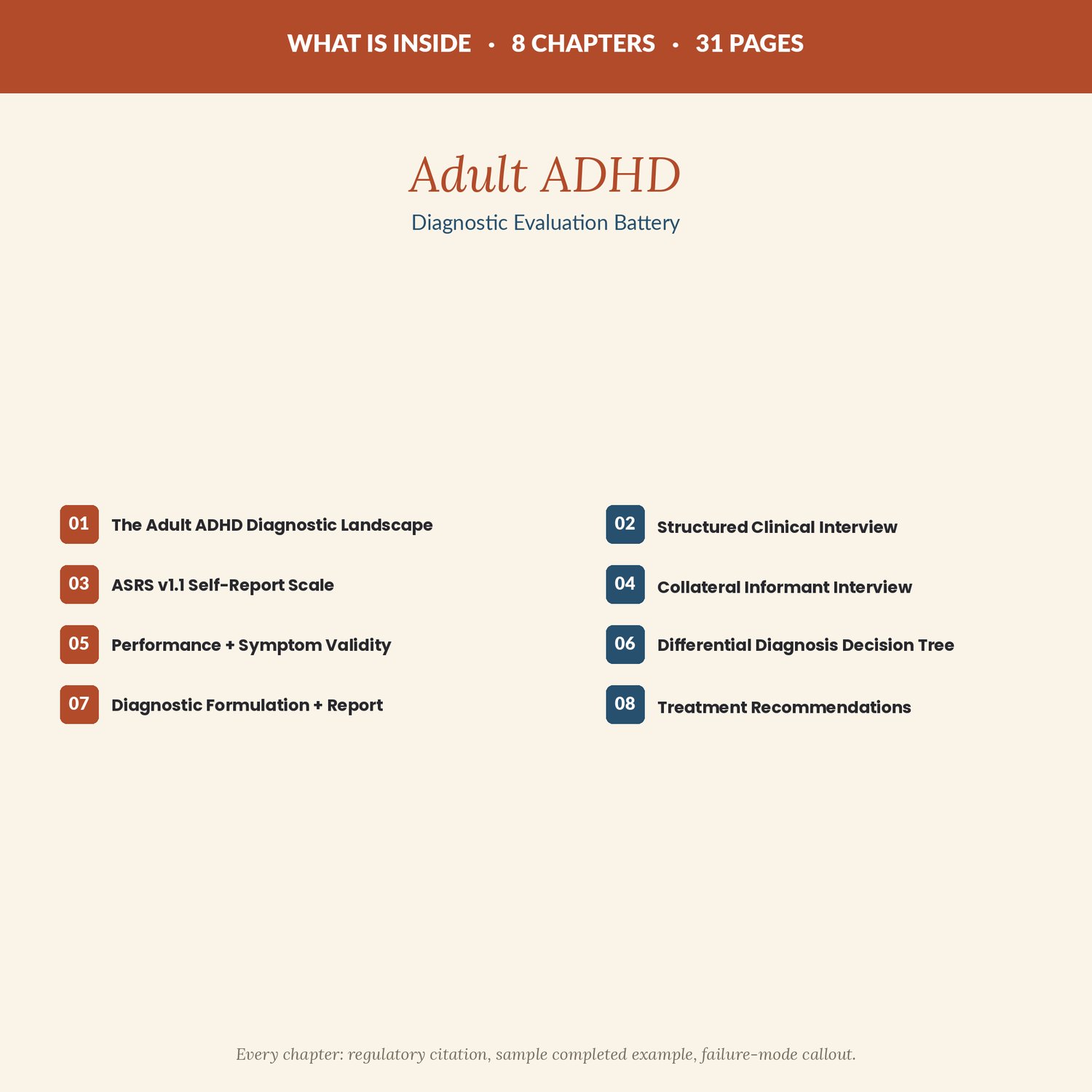
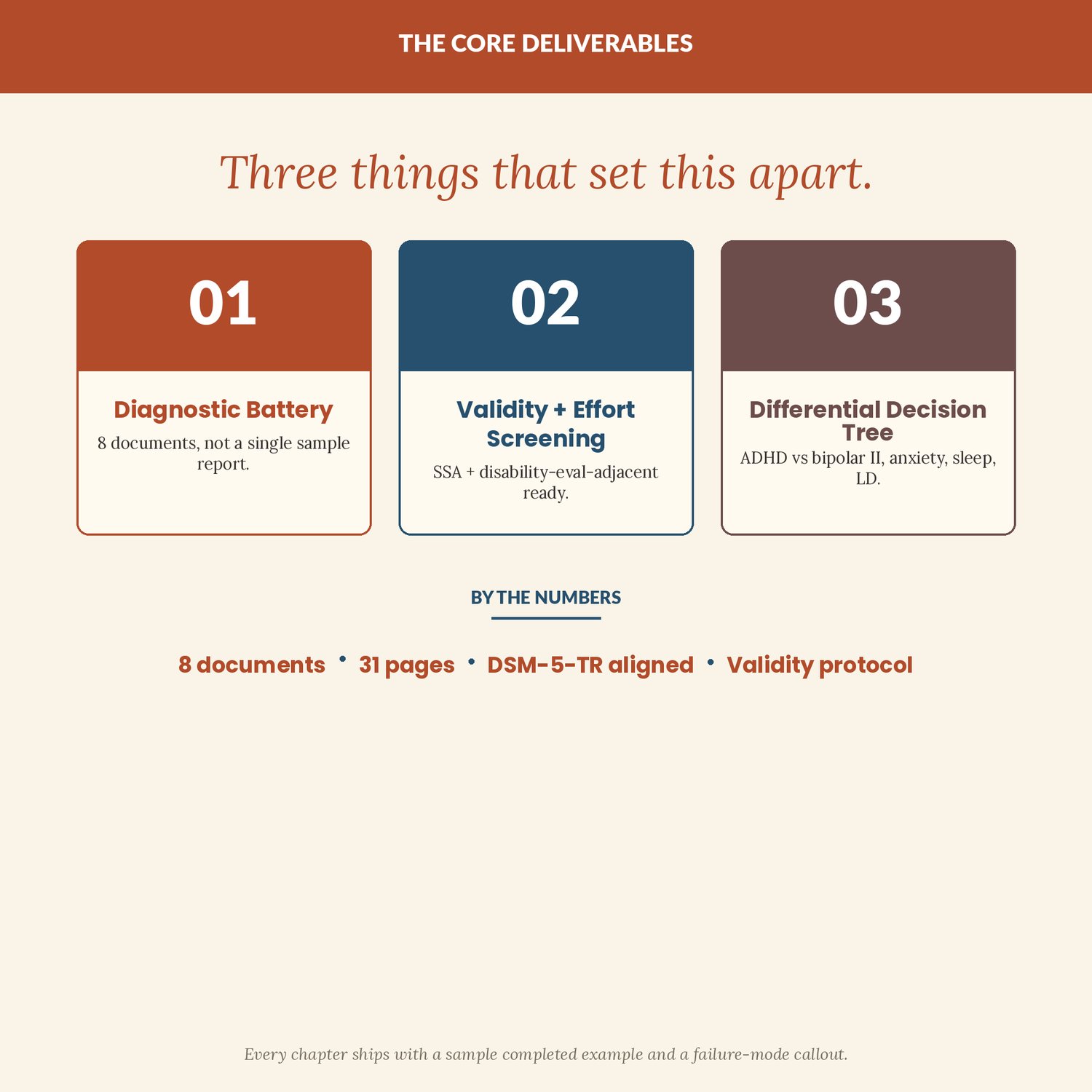
- The diagnostic environment: prevalence, persistence-from-childhood data, gender and cultural considerations, the three presentations, and severity specifiers, plus what rising referral volume means for evaluator responsibility.
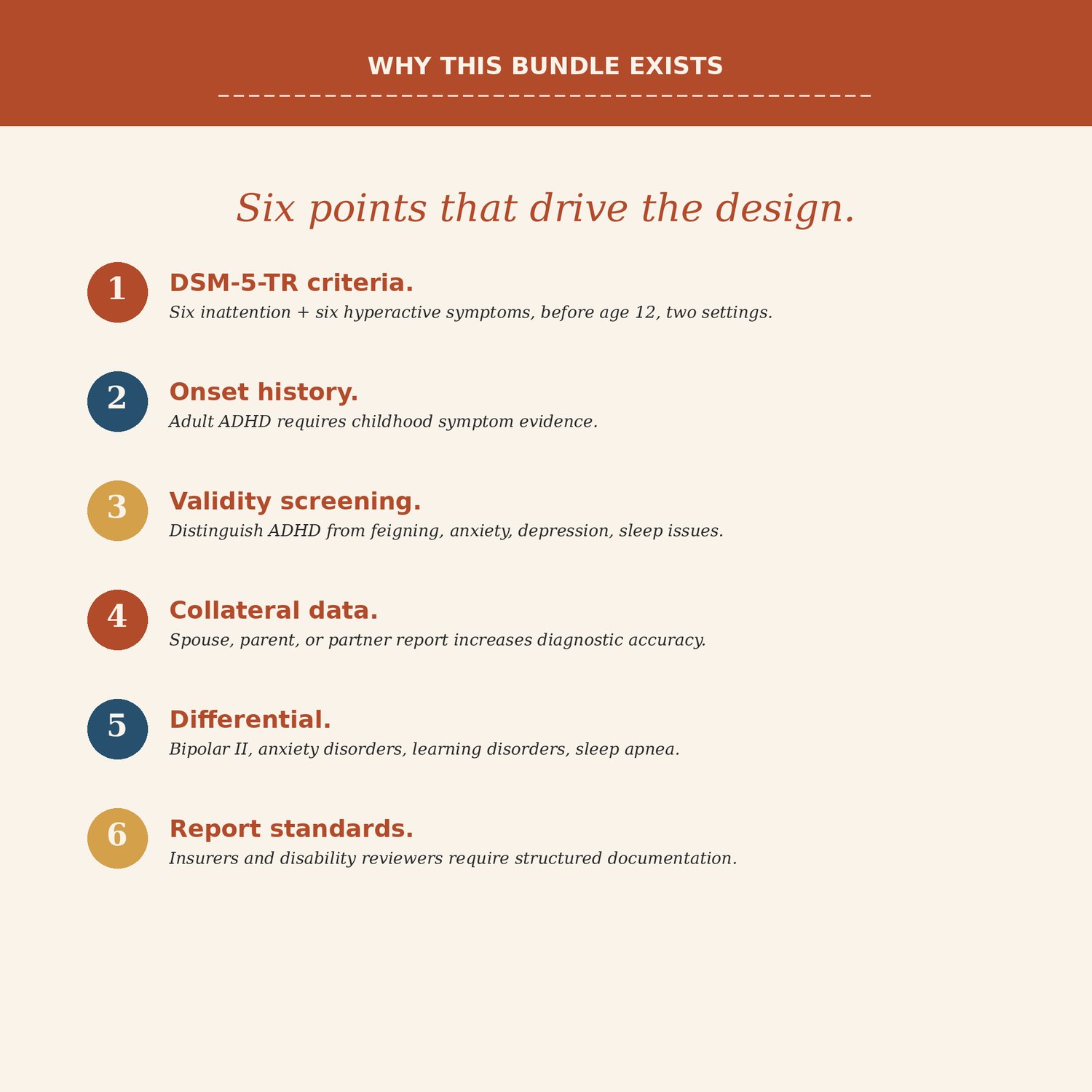
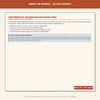
- A structured 60 to 90 minute interview across seven sections covering presenting concerns, current symptoms mapped to DSM-5-TR criteria, age-of-onset evidence, functional impairment, settings, mental health and medical history, and treatment history. All 18 symptoms carry adult-specific probe language.
- The age-of-onset gate under Criterion B, with the evidence types that actually satisfy it: report cards, parent memories, teacher reports, sports and music and scouting records, and school files. Functional impairment probes across occupational, academic, social, financial, legal, and health domains, with a worked documentation sample.
- ASRS-v1.1 6 item screener with item-by-item thresholds and why items 5 and 6 require the highest rating. The full 18 item assessment with Part A and Part B severity interpretation. Worked scoring examples for a positive screen with moderate Part A and for a partial denial pattern. Adjunctive measures with selection guidance: CAARS-2, WURS-25, Brown EF/A, and BAARS-IV.
- A collateral informant protocol: how to pick the right informant across spouse, parent, sibling, friend, or multiple, the consent and confidentiality requirements, a 30 to 45 minute structure across four sections, and a worked spouse interview summary.
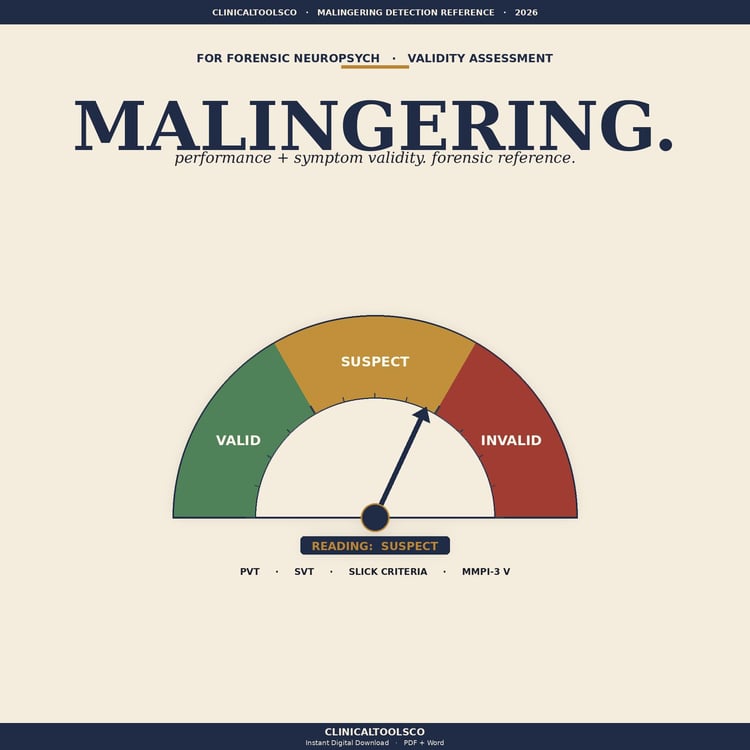
- Performance and symptom validity testing explained, with the specific measures and cutoffs. PVT: TOMM, Reliable Digit Span, Word Memory Test. SVT: SIMS, the CAARS-2 Inconsistency and Infrequency scales, and MMPI-3 validity scales. Requirements by context across standard evaluation, medication consideration, SSA disability, workers comp, IME, and forensic. Worked valid and invalid presentations with documentation language.
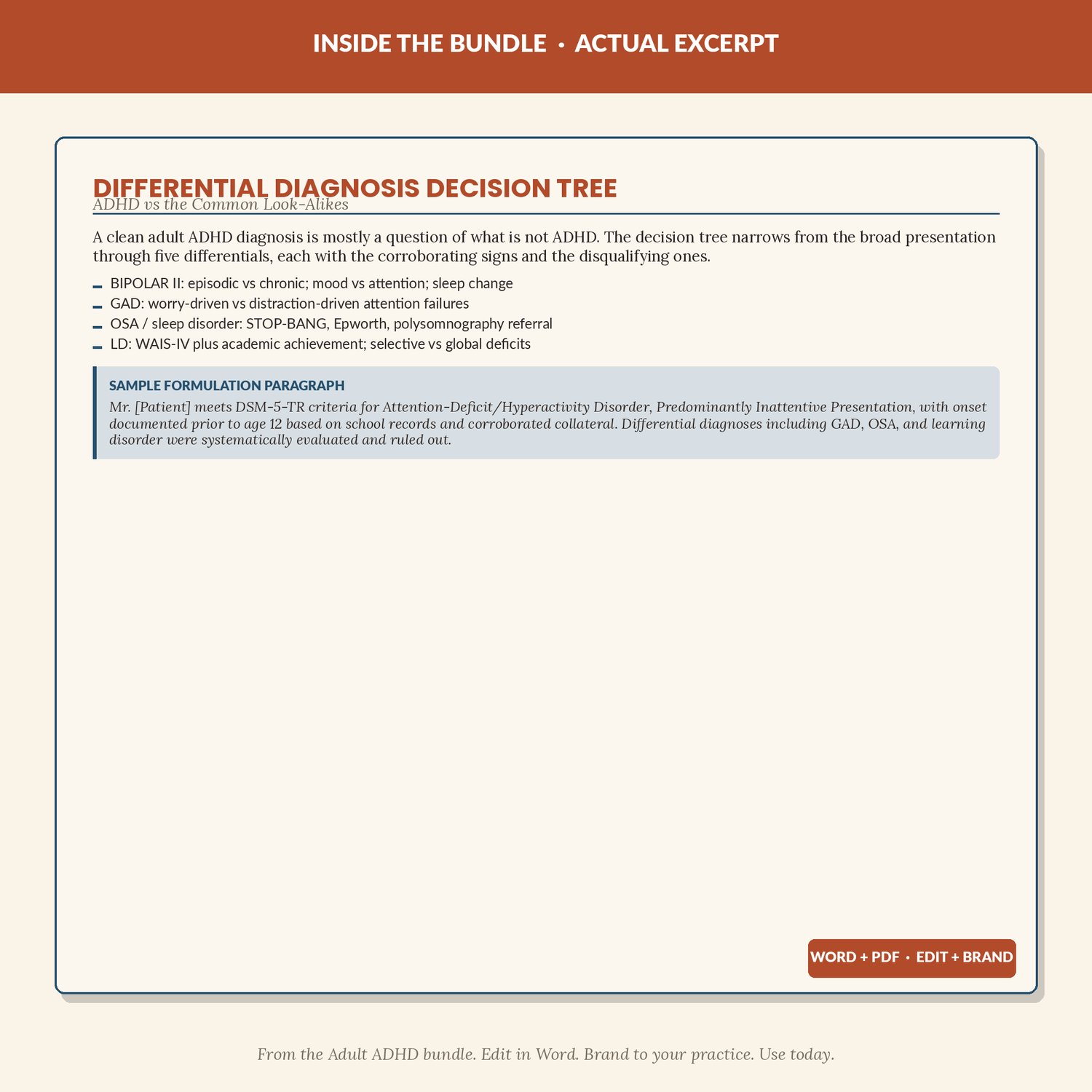
- A nine condition differential decision tree covering bipolar II, generalized anxiety, depression, obstructive sleep apnea, substance use, learning disorders, autism spectrum, and complex trauma. The bipolar II section covers discrete episodes versus lifelong chronicity, the probe question, family history relevance, and why the misdiagnosis can trigger mania. The sleep differential includes STOP-BANG screening, polysomnography referral criteria, and the OSA-as-ADHD-mimic pattern. Plus comorbidity guidance, since 60 to 80 percent of clinical adult cases carry a comorbid diagnosis.
- A 12 section report template running referral, procedures, background, current symptom presentation, measure results, collateral findings, differential, formulation narrative, diagnosis with codes, treatment recommendations, limitations, and signature. With an insurance and disability review checklist covering what SSA, commercial preauthorization, and IME submissions each expect, and a worked formulation for a predominantly inattentive presentation.
- Treatment recommendations: first-line stimulants across the methylphenidate and amphetamine classes, second-line non-stimulants (atomoxetine, viloxazine, bupropion, alpha-2 agonists), and when to avoid stimulants. Behavioral and psychosocial work including CBT for Adult ADHD on the Safren manual, executive function coaching, mindfulness-based interventions, and couples therapy. Workplace accommodations under the ADA and educational accommodations. A follow-up structure with weekly titration check-ins, ASRS re-administration at 8 weeks, full re-assessment at 16, and annual re-evaluation, plus a three stage sample treatment plan.
- What-to-do-when callouts at every chapter: childhood evidence is thin, the ASRS is negative but clinical evidence is strong, no collateral is available, validity testing comes back invalid, multiple diagnoses apply, or pharmacology is declined or contraindicated.
Who it is for
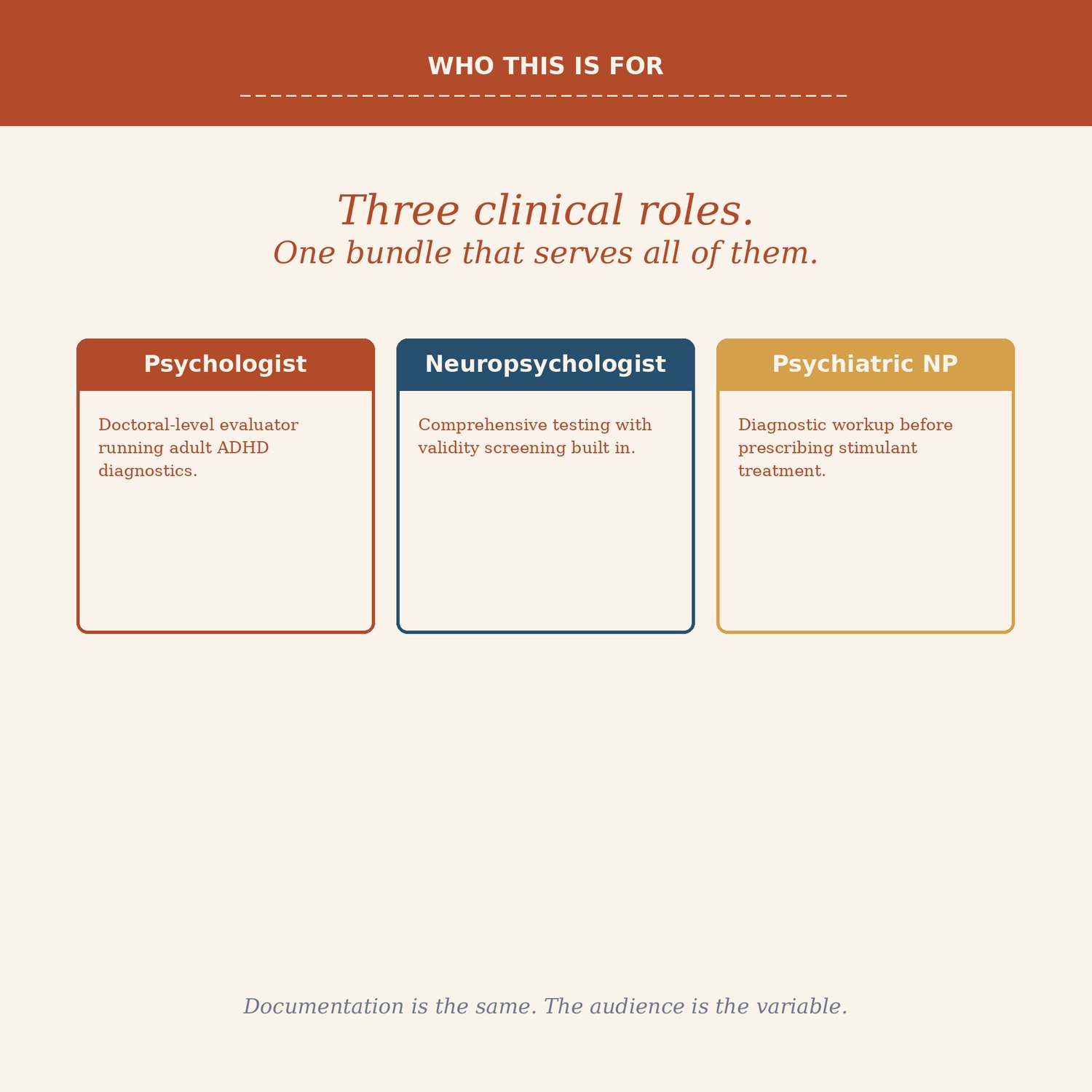
Psychologists (PhD, PsyD) conducting adult ADHD evaluations. Neuropsychologists running attention and executive function batteries. Psychiatric NPs and PAs doing diagnostic intake before stimulant prescribing. Psychiatrists conducting formal pre-treatment evaluations. Master's-level clinicians (LCSW, LMFT, LPC, LPCC) performing diagnostic intake within scope. Group practices building an adult ADHD evaluation track. Forensic and IME evaluators who need the validity framework. Disability and workers comp evaluators who need the SSA-ready template.
Why it exists
A 32 year old arrives self-referred. She has read everything, scored 36 on a screener she found on TikTok, and wants a stimulant. Her PCP will not prescribe without a formal evaluation. You have one 60 minute slot and the next opening is three weeks out. The question is no longer just whether she has ADHD. It is whether your data holds up to insurance review, to a disability adjudicator, and to a prescriber asking whether stimulants are the right call.
44 pages. A structured interview keyed to DSM-5-TR, ASRS-v1.1 scoring for both the 6 item screener and the full 18 item assessment, a collateral informant protocol, performance and symptom validity screening, a nine condition differential decision tree, the integrated formulation, a report template built for insurance and disability review, and treatment recommendations across pharmacology, behavioral work, and accommodations.
Aligned with DSM-5-TR ADHD criteria (APA 2022), the WHO Adult ADHD Self-Report Scale v1.1, the Faraone et al. World Federation International Consensus Statement (2021), the AACN consensus on validity assessment, APA adult ADHD treatment guidance, and SSA Blue Book Section 12.11.
Why it is built this way
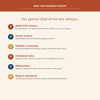
Most adult ADHD material is a textbook chapter, an unstructured intake form, or a subscription priced for neuropsychology practices. This is the whole evaluator-side reference in one document.
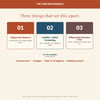
The diagnosis lives or dies on the interview, not the screener. The seven section structure plus the age-of-onset evidence section is what produces a defensible diagnosis even when the patient is highly motivated to receive one.
Every evaluation touching medication, disability, or accommodation is a high-incentive context, and a small but real fraction of referrals involve over-reporting. SSA, most disability insurers, and workers comp now expect validity assessment, and omitting it can render a report inadmissible. It is also the section most evaluators skip.
The bipolar II distinction protects the patient from stimulant-triggered mania. The OSA differential resolves the inattention entirely in a meaningful subset of cases. And the comorbidity data changes treatment sequencing rather than just the diagnosis line.
Format
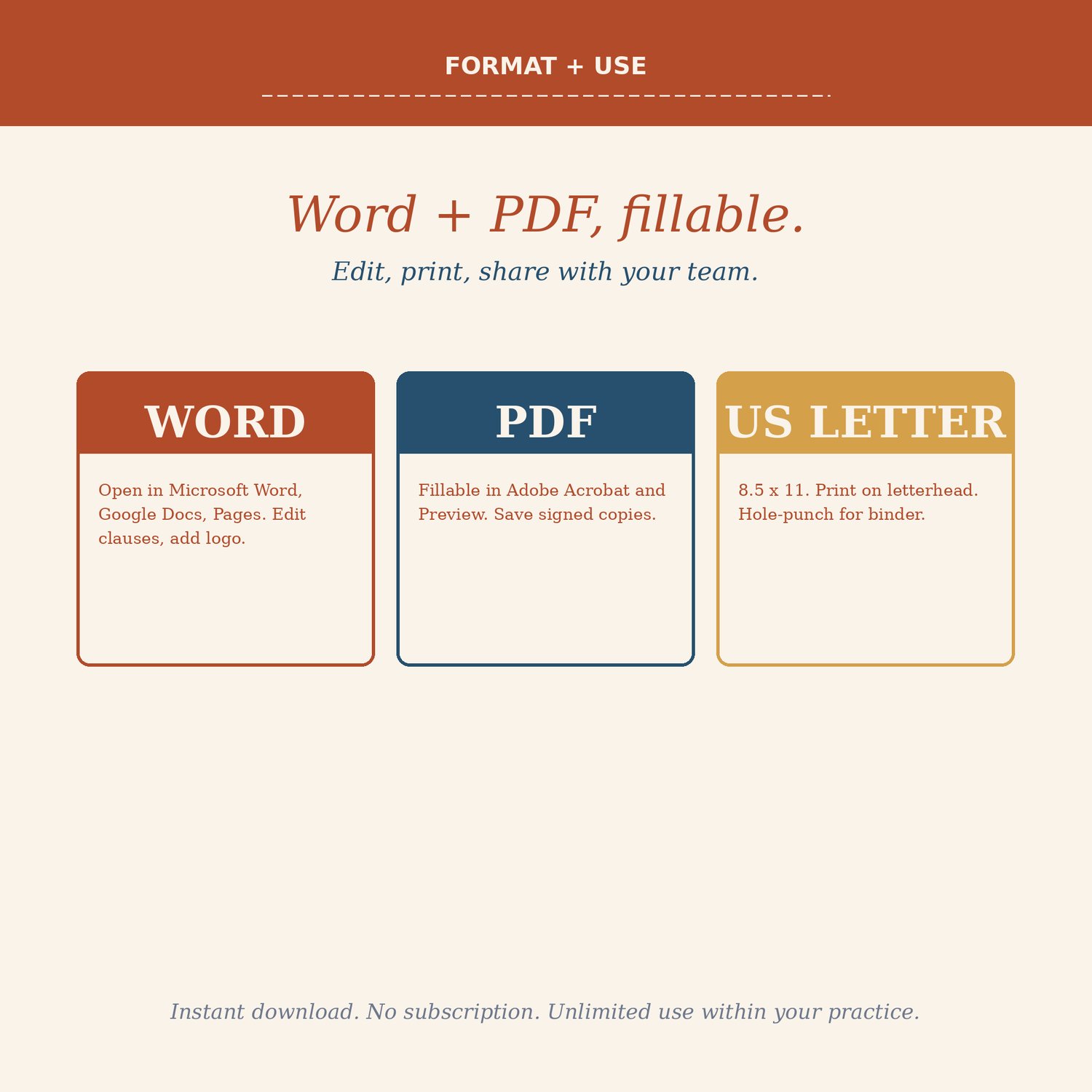
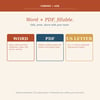
Editable, fillable PDF, 44 pages. Editable Microsoft Word (.docx), same length. Interview structure, collateral interview, and report template copy straight into EHR text fields. US Letter (8.5 x 11) and A4 (8.3 x 11.7) both included. Works on Mac, Windows, iPad, GoodNotes, and Notability. Lifetime access, unlimited prints.
Updated 2026
DSM-5-TR criteria reflect the March 2022 text revision: the five symptom threshold for adults 17 and older, several symptoms before age 12, two or more settings, and functional impairment. ASRS-v1.1 reflects the WHO public-domain instrument with current scoring guidance. Validity references reflect the AACN consensus (Bush et al.) and the Heilbronner and Sweet consensus paper. The World Federation Consensus Statement reflects Faraone et al. (2021). Disability guidance reflects current Blue Book Section 12.11. Treatment classes reflect current APA, CHADD, and AACAP guidance including the Safren CBT manual (Oxford, 2017).
How to use it
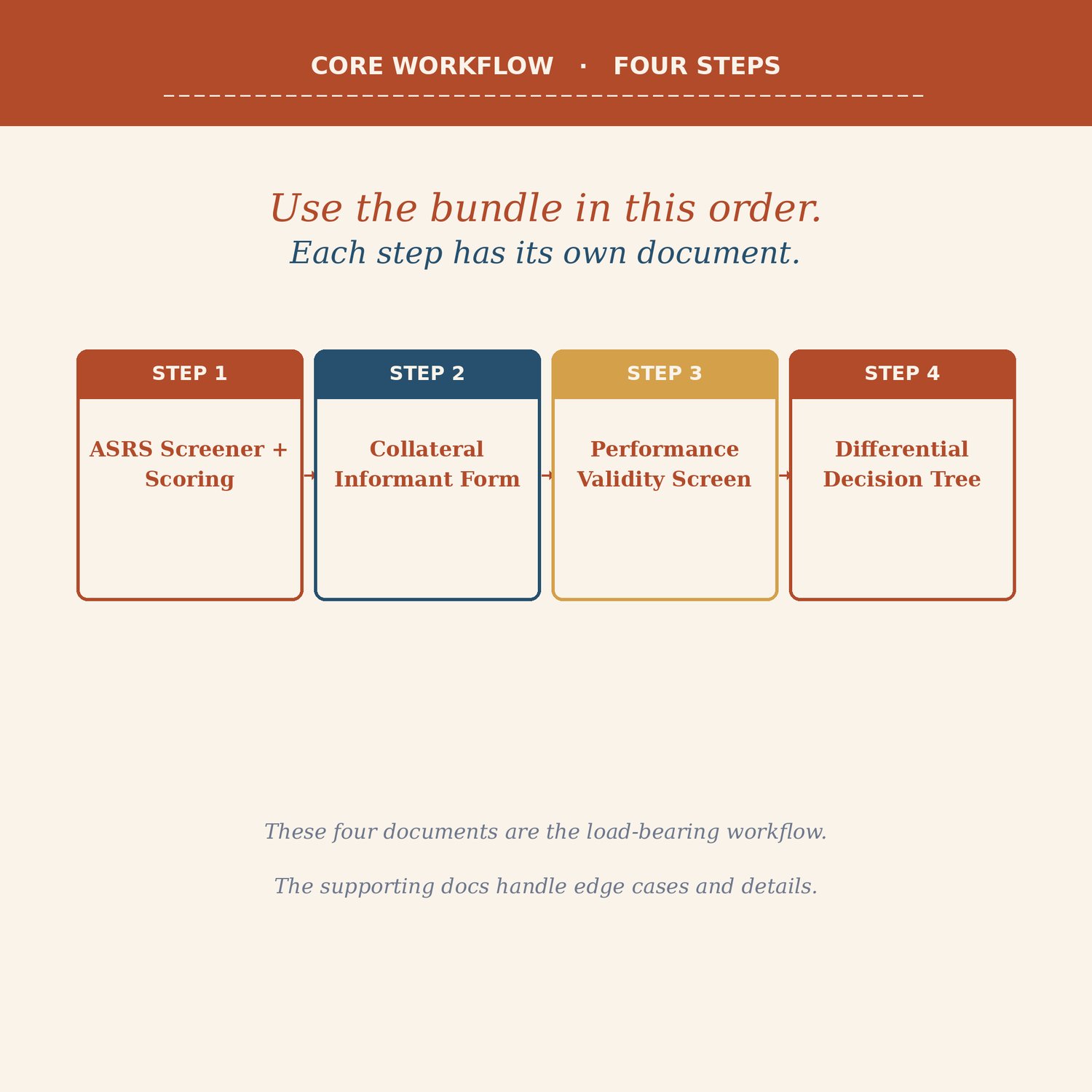
Send the ASRS and intake forms a week ahead. Run the structured interview in the first appointment. Schedule the collateral interview as a separate session within two weeks. Administer the validity battery whenever medication, disability, or accommodation is at stake. Work the differential tree before finalizing, since the bipolar II distinction is the most clinically consequential decision in the file. Write from the 12 section template. Close with sequenced recommendations naming the pharmacological class, the behavioral protocol, the accommodations, and the follow-up timeline.
Adult ADHD is simultaneously over-diagnosed and under-diagnosed. The over-diagnosis pattern is a 30 minute intake with no childhood evidence and no validity screening. The under-diagnosis pattern is an adult with lifelong inattention labeled depressed, anxious, or unmotivated. Both are failures of structured assessment.
This is a clinical reference for licensed evaluators, not training. The evaluator remains responsible for diagnostic decisions within their scope of practice.
Instant digital download. No physical product ships. Message us if anything does not work.
Walkthrough video: a look inside before you buy.