

BPD Treatment Reference, DBT Skills (2026)
A BPD treatment reference: DSM-5-TR criteria, three differential grids, the four core treatment problems, a DBT skills quick reference, CBT adaptations and a self-harm response protocol.
What is in the reference
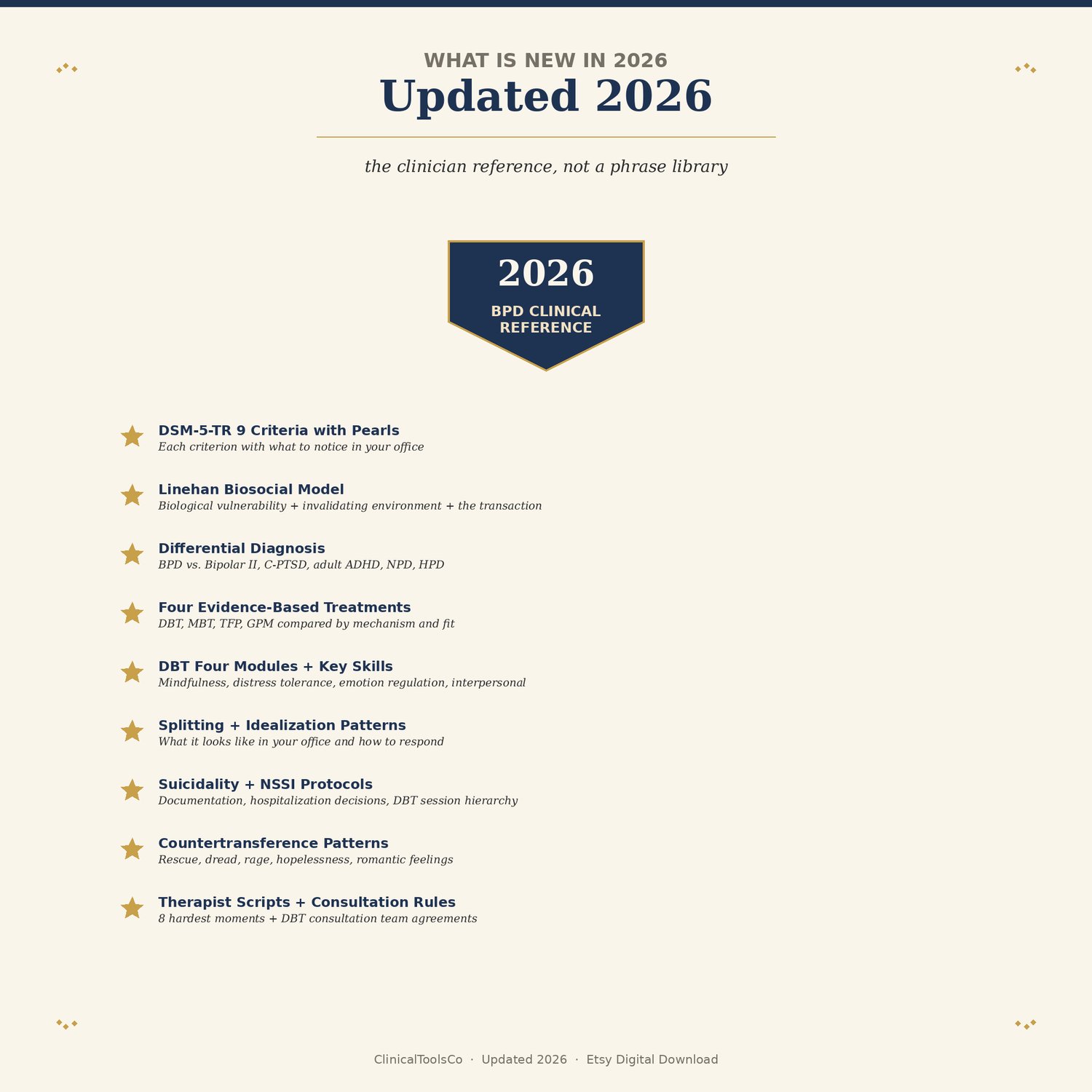
- DSM-5-TR criteria with severity considerations across higher, moderate, and lower or remitted presentations, plus course and prevalence (lifetime 2 to 6 percent, outpatient 9 to 20 percent) and the misdiagnosis pattern with bipolar II.
- Three differential grids. BPD versus bipolar II on mood shift pattern, interpersonal hypersensitivity, identity disturbance, and lithium response. BPD versus complex PTSD on trauma history, emptiness, identity disturbance, and the direction of anger. BPD versus narcissistic personality disorder on self-image, response to rejection, empathy, and alliance pattern.
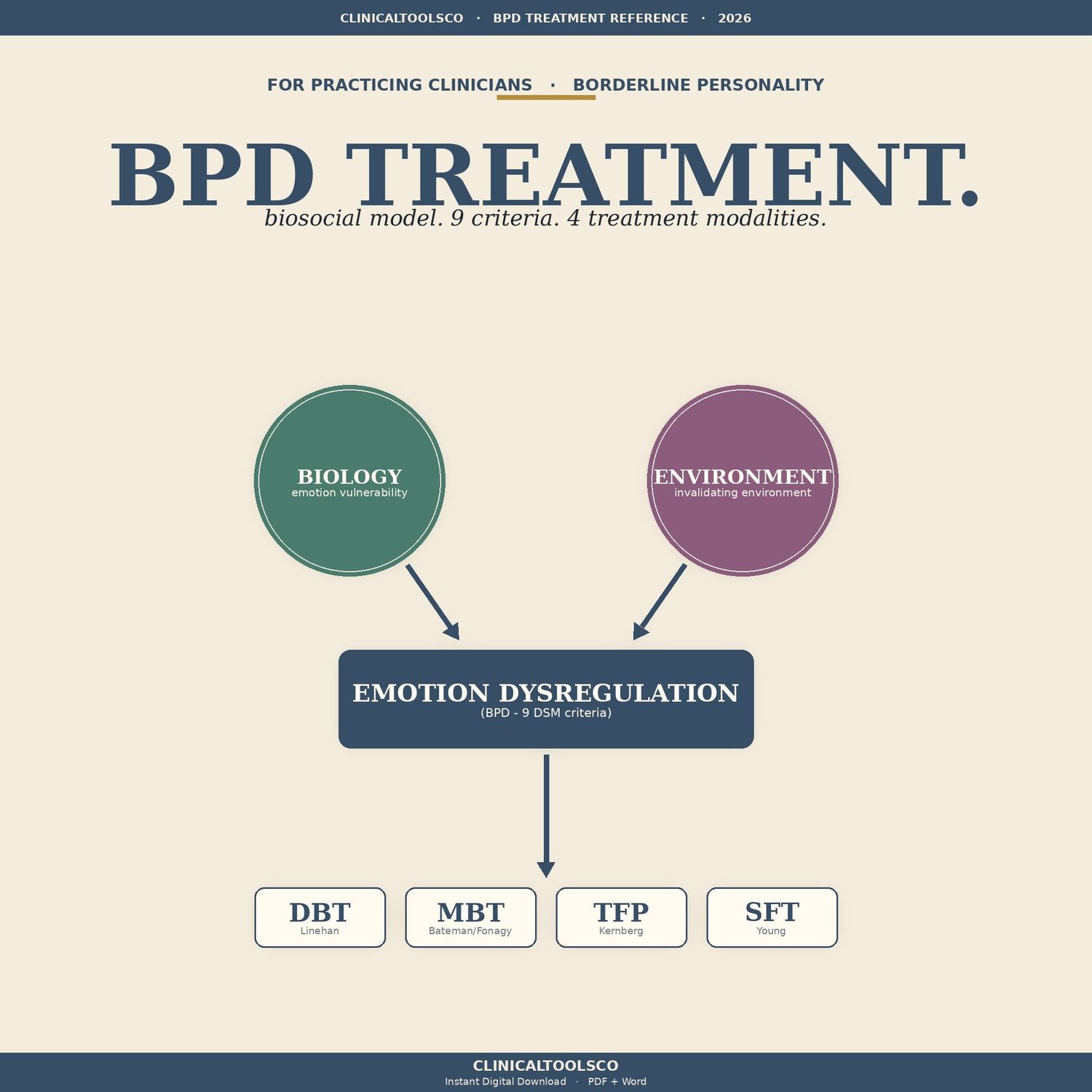
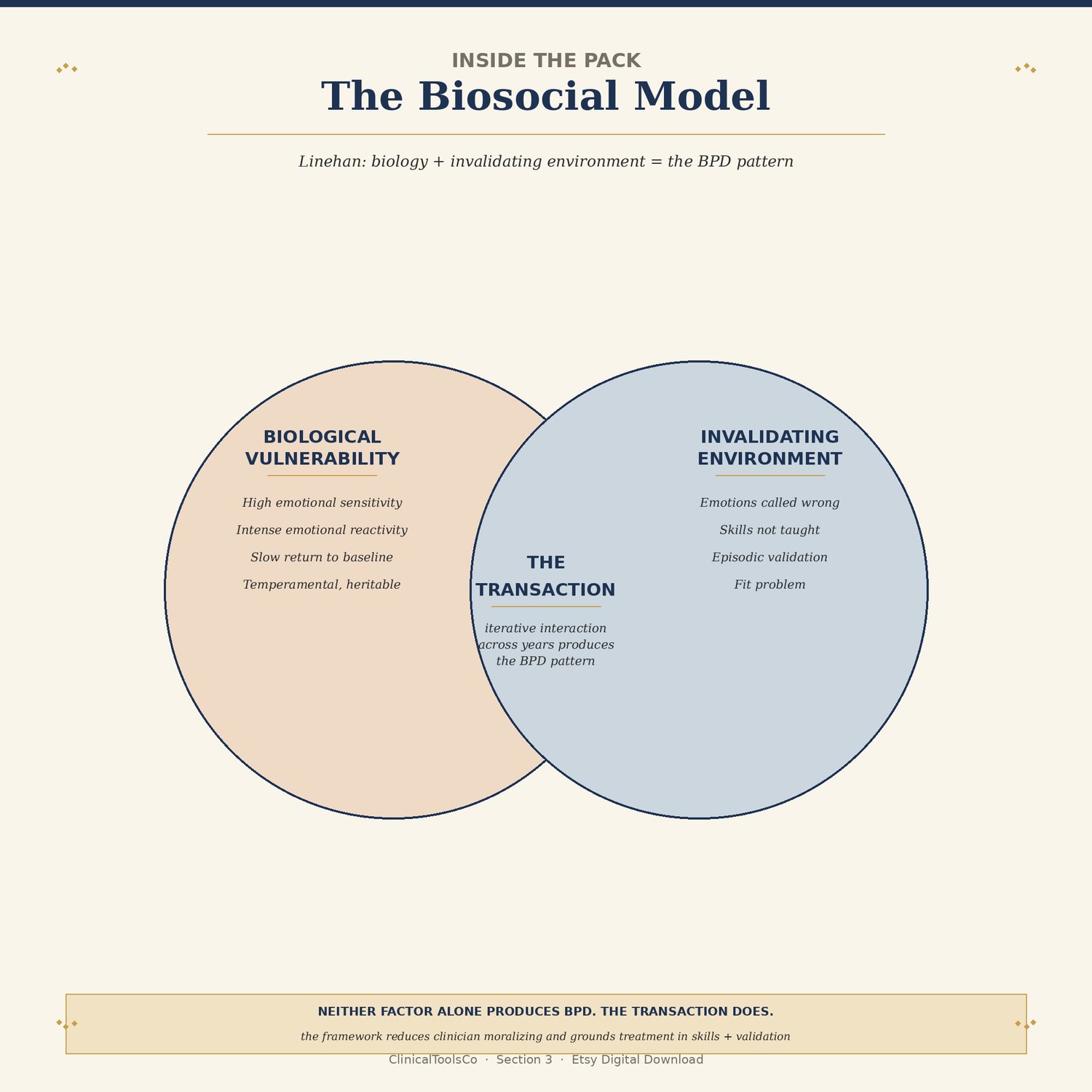
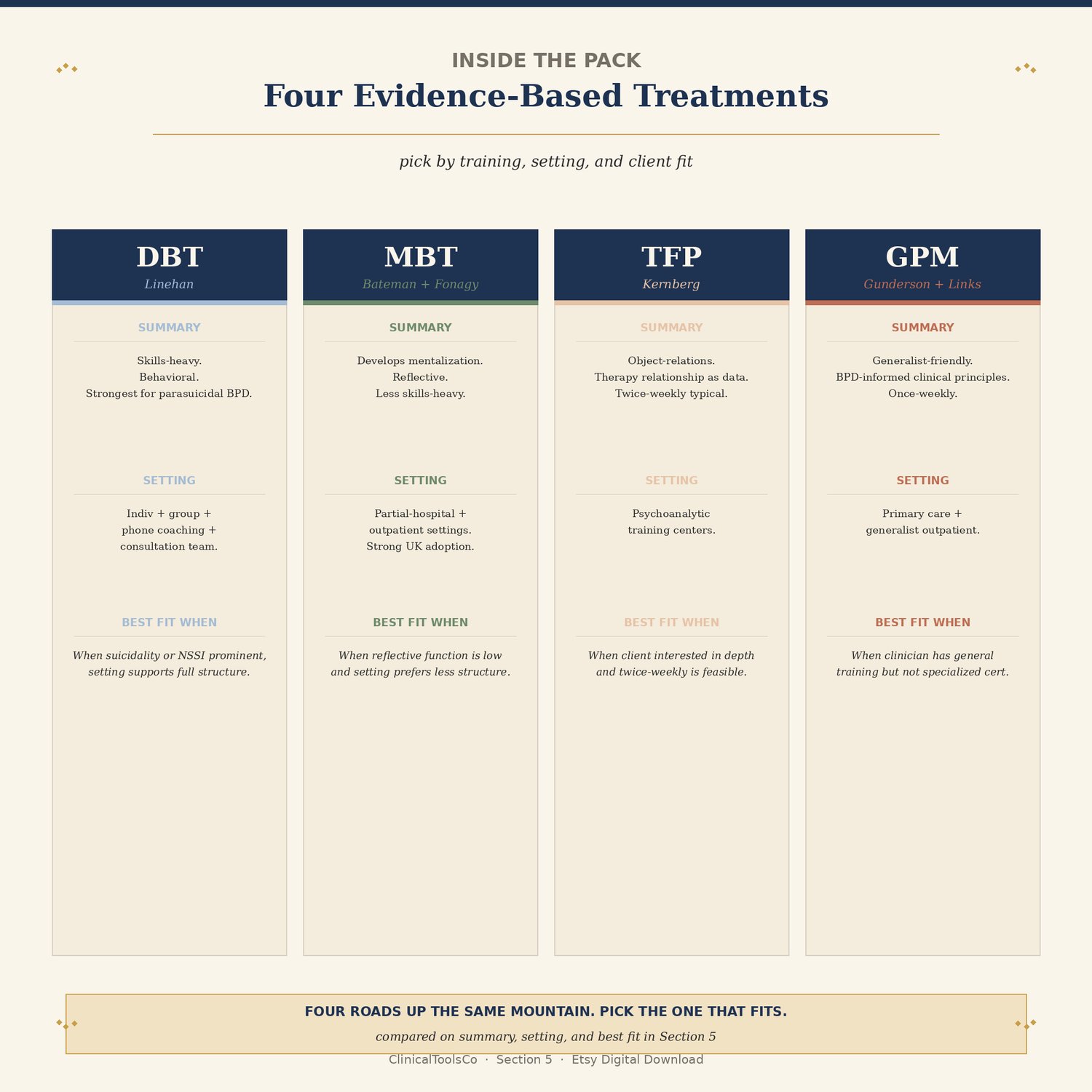
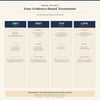
- The four core problems any BPD treatment has to address: emotion dysregulation, interpersonal hypersensitivity, self-harm and suicidality, and identity disturbance. Then the models with an evidence base behind them: DBT (Linehan), MBT (Bateman and Fonagy), TFP (Kernberg and Yeomans), Schema Therapy (Young), and Good Psychiatric Management (Gunderson).
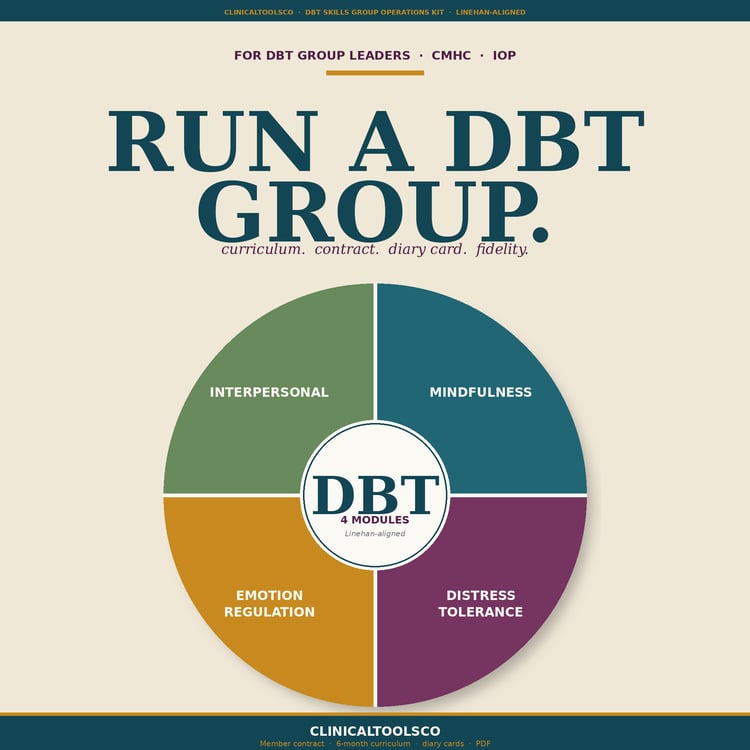
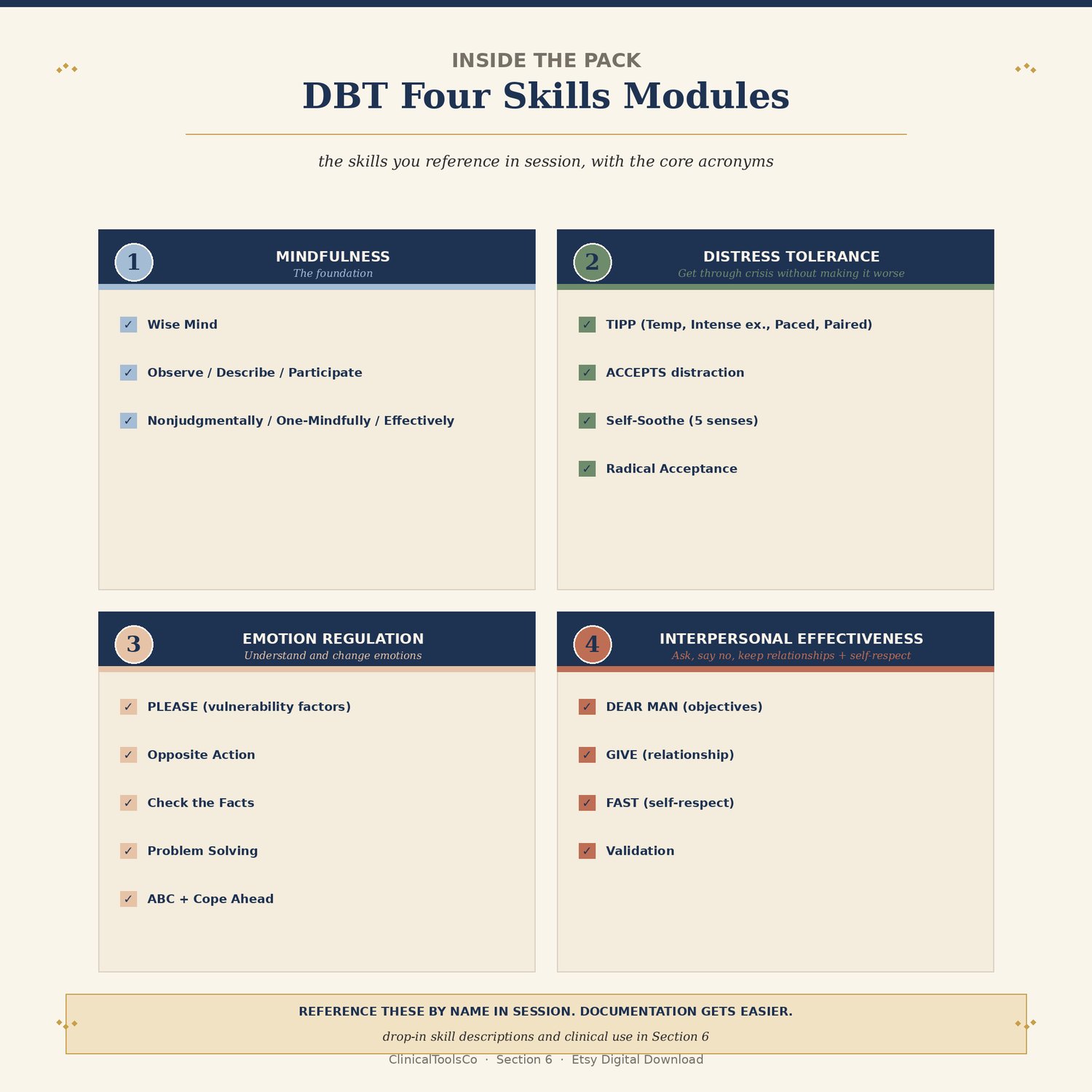
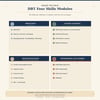
- A DBT skills quick reference covering mindfulness, distress tolerance with TIP and ACCEPTS, emotion regulation with PLEASE and opposite action, and interpersonal effectiveness with DEAR MAN, GIVE, and FAST.
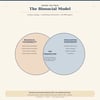
- CBT adaptations for BPD: longer engagement, validation before challenge, schema work, and behavioral chain analysis. Schema therapy concepts including the maladaptive schemas and the modes, punitive parent, vulnerable child, healthy adult. Treatment phases across stabilization, skills building, and integration.
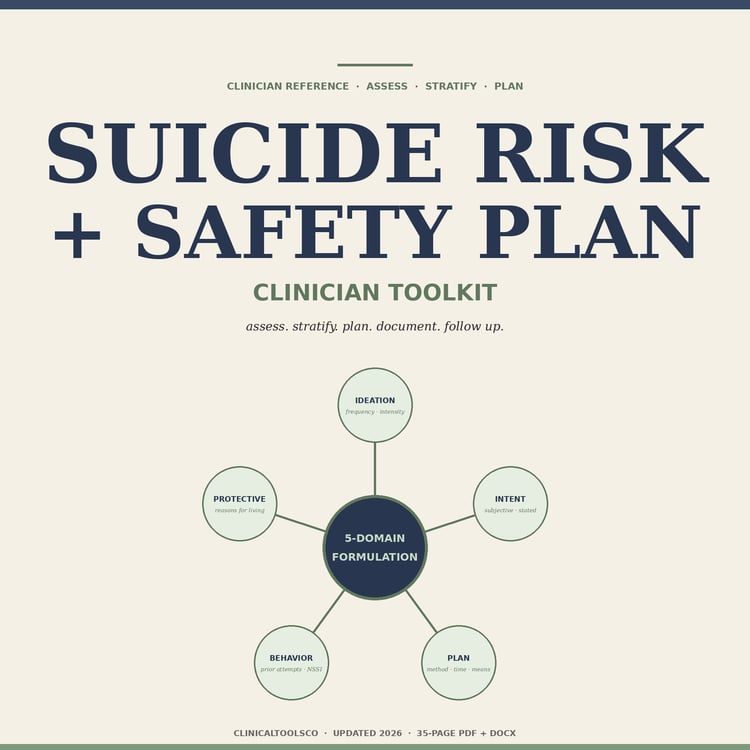
- A suicide and self-harm response protocol: in-session assessment, validation, problem-solving and contracting language, post-session steps, hospitalization criteria specific to BPD, and the consultation framework that protects you when you decide not to hospitalize.
- Transference and countertransference patterns, idealization, devaluation, splitting, rescue fantasies, and hate, with what to do with each. Plus documentation language for suicidal ideation, self-harm urges, safety contracting discussions, and consultation.
Who it is for
Therapists seeing clients with BPD or borderline features (LCSW, LMFT, LPC, LMHC, LPCC, psychologists). DBT-informed and certified DBT clinicians. MBT, TFP, and schema therapy clinicians. Community mental health clinicians serving high-acuity populations. Crisis and assessment clinicians. Group practice owners standardizing BPD documentation. Pre-licensed associates meeting BPD for the first time, and the supervisors training them.
Why it exists
A client with borderline features is in acute distress and telling you they want to die. You have 50 minutes. The DBT skills manual is at home, your memory of the skill names is patchy, and the decision rules around hospitalization, contracting, and consultation are not written down anywhere you can reach. The session goes sideways because the reference material lives in three books and your head.
34 pages, plus a BPD Differential and Phrasing Card covering borderline versus bipolar II, complex PTSD, and NPD with ready progress-note phrasing. Built to sit open on the desk during session rather than to be read cover to cover.
Why it is built this way
Most BPD references are textbooks. Thorough, and unusable mid-session. This is structured for lookup: short sections, clear tables, decision rules, and the specific skill names and language you need while someone is dysregulating.
BPD is misdiagnosed more often than almost any other condition, because bipolar II, CPTSD, and NPD share surface features that lead to the wrong treatment. The grids put the distinguishing columns side by side.
The full DBT skills manual runs 400 pages and you cannot flip through it in real time. The quick reference is built to be scanned in about ten seconds.
BPD self-harm presentations need decision rules that differ from acute major depression, which is what the protocol covers. Unprocessed countertransference is the leading cause of rupture in this work, which is why that section exists at all. And BPD charts get reviewed more than most, given the acuity and the frequency of SI documentation, so the language library is written to survive an audit and to hold up if subpoenaed.
Format
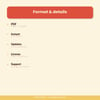
Editable, fillable PDF. Editable Microsoft Word (.docx). Both files include the Differential and Phrasing Card. Built for in-session reference, so print the DBT skills page and the suicide and self-harm response page for desk access. US Letter (8.5 x 11) and A4 (8.3 x 11.7) both included. Works on Mac, Windows, iPad, GoodNotes, and Notability. Lifetime access, unlimited prints.
Updated 2026
DSM-5-TR criteria current. Treatment model evidence current to the most recent BPD randomized trial literature across DBT, MBT, TFP, Schema, and GPM. DBT skills current to Linehan's most recent published manual. Schema concepts current to Young, Klosko, and Weishaar. Documentation language reflects current commercial and Medicare chart audit standards.
How to use it
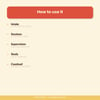
The DBT skills section is the most-referenced page, so print it. The suicide and self-harm response is the in-the-moment protocol, so bookmark it. The transference and documentation sections are for after the hard sessions, in consultation and chart review. The differential grids are for case formulation when the picture is unclear. Read the treatment phases section before your next BPD intake so you know which phase you are walking into.
Instant digital download. No physical product ships. Message us if anything does not work.