

Clinical Letter Templates (2026)
Nine annotated clinical letter skeletons, including ESA, FMLA and accommodation letters, each showing what you can attest to and what you must never claim.
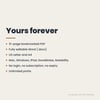
31 pages, bookmarked PDF plus an editable Word version
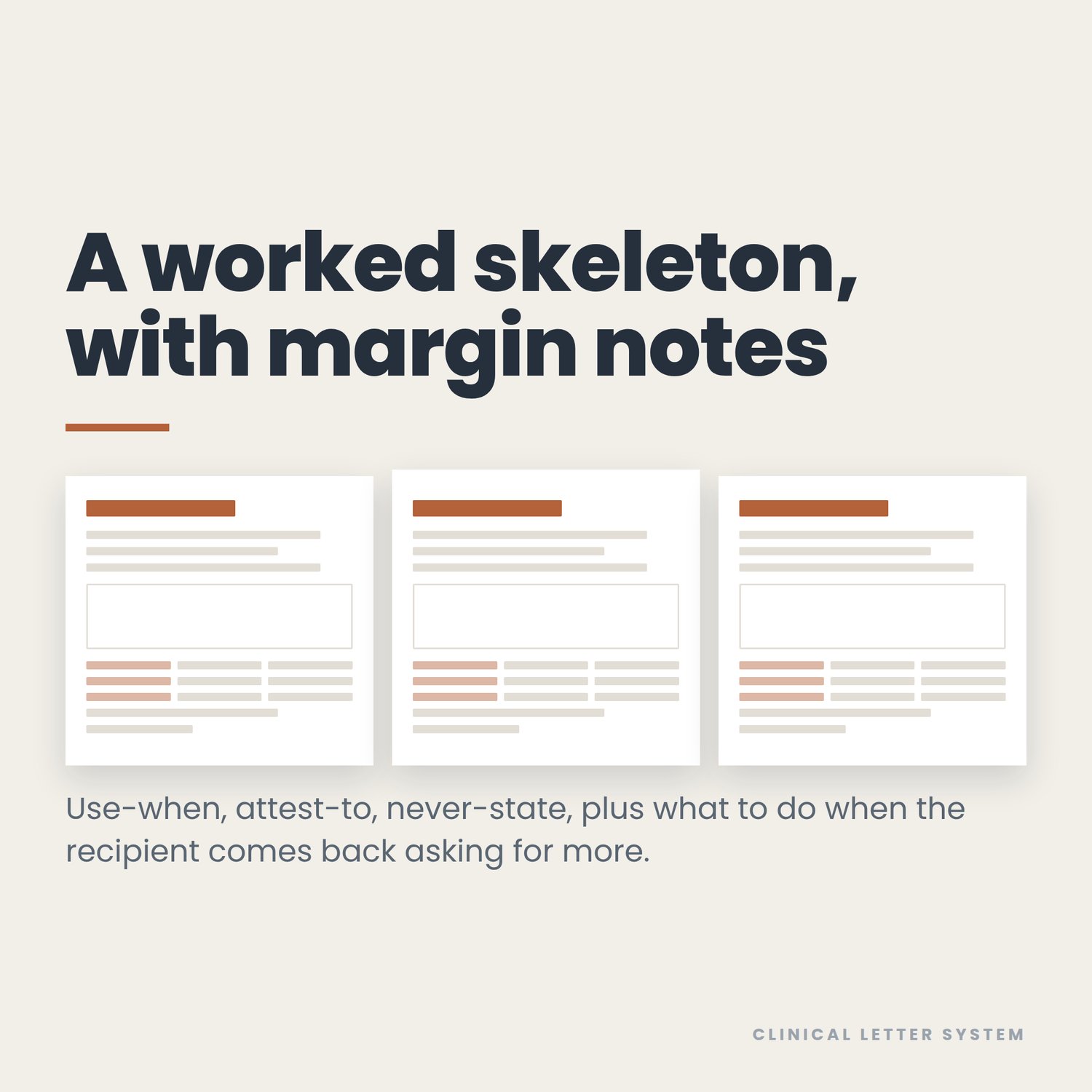
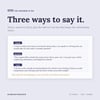
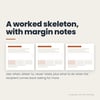
- Nine annotated letter skeletons, each with what you can attest to, what you must never state, margin notes, and what to do when the recipient writes back asking for more
- A request intake form, so you know who the reader is before you write a word
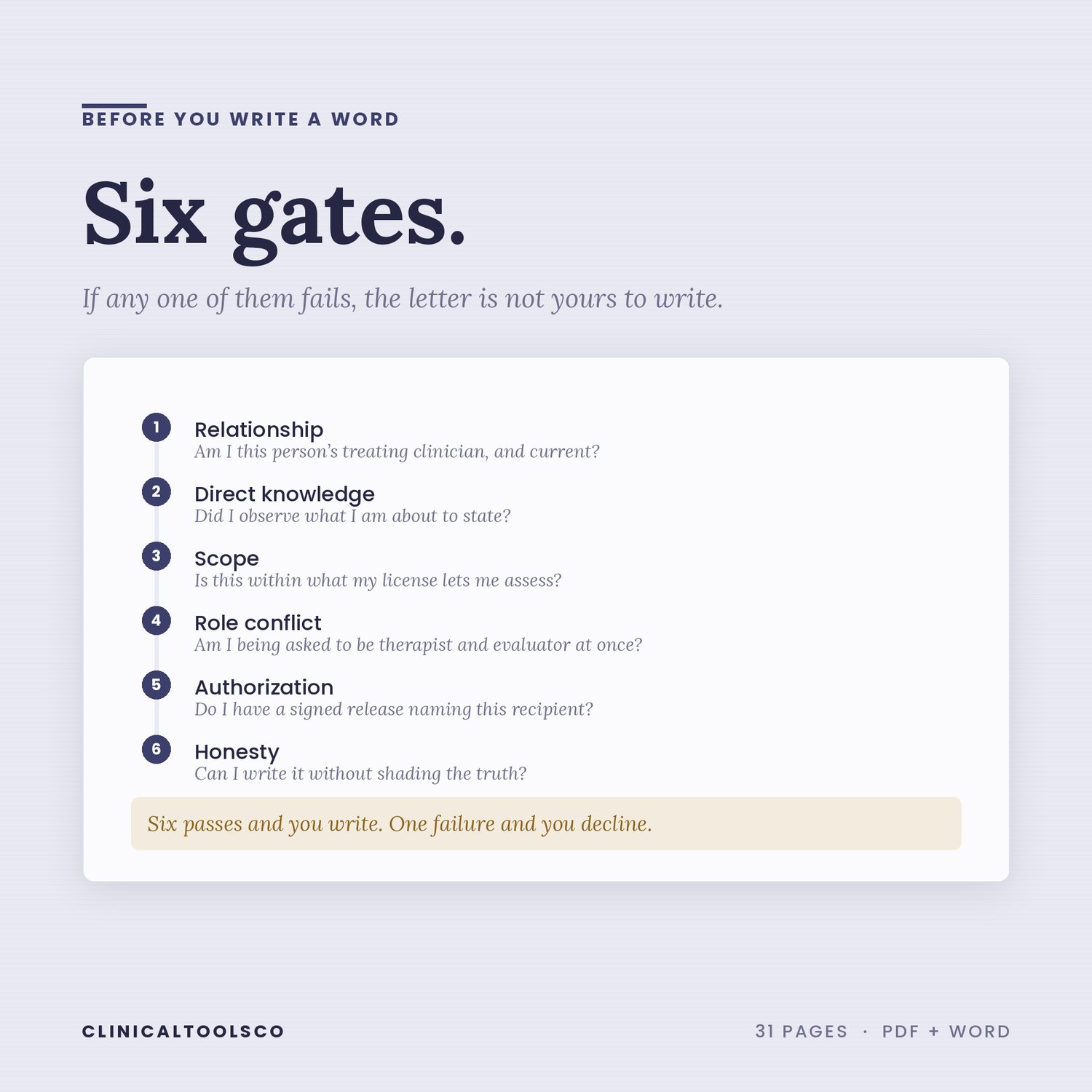
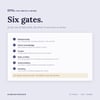
- The six gate scope decision tree: relationship, direct knowledge, scope, role conflict, authorization, honesty
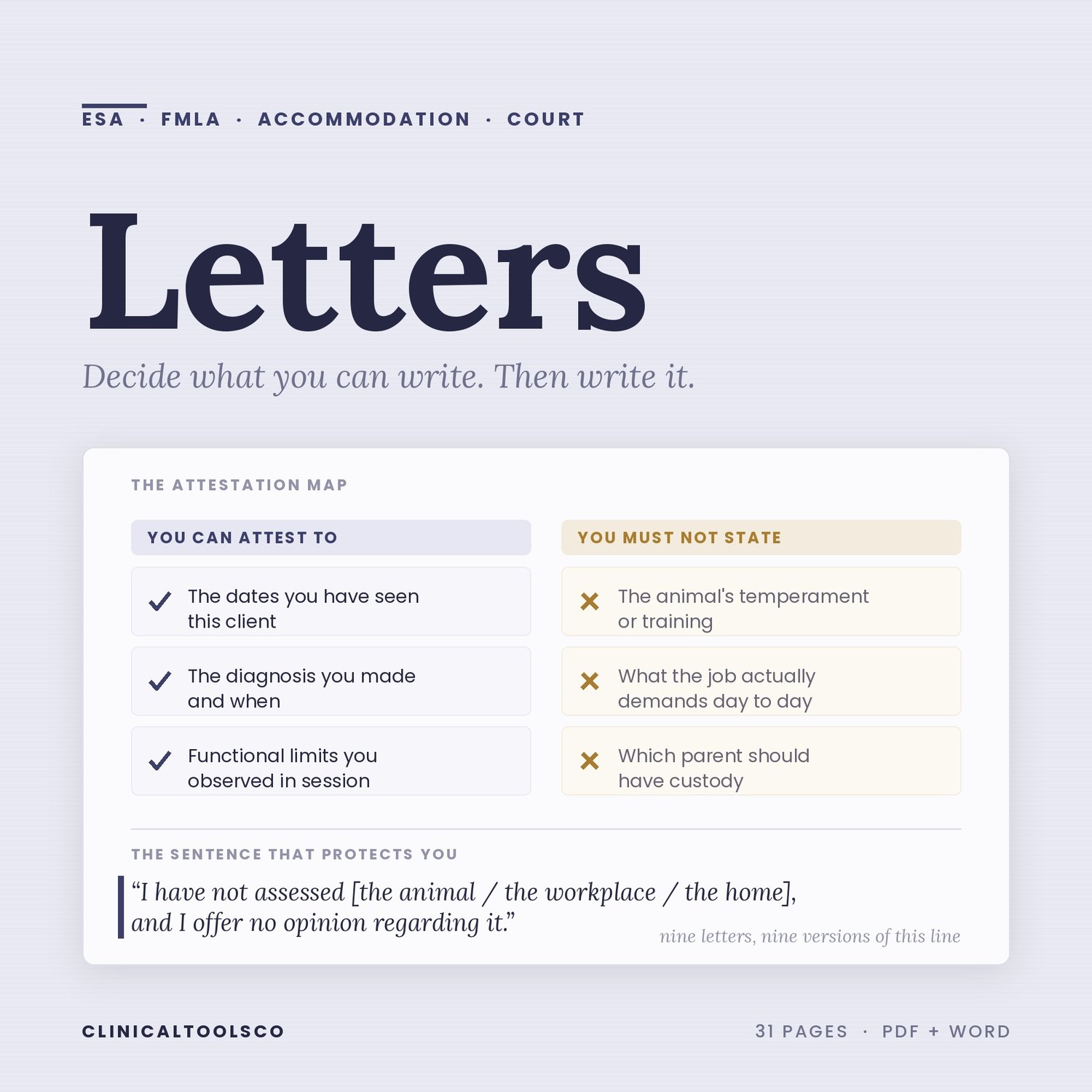
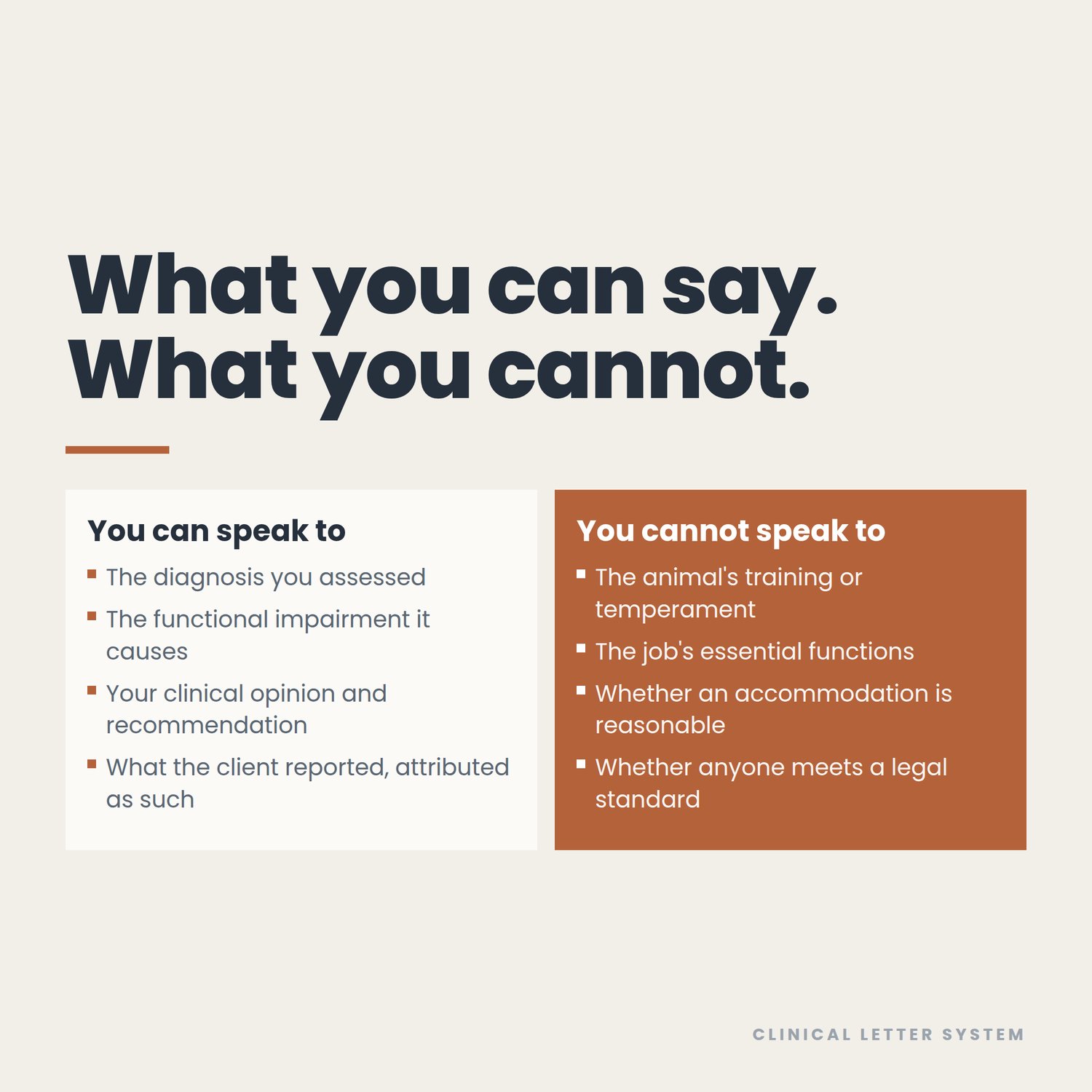
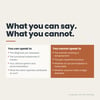
- An attestation map showing what each letter type can and cannot claim
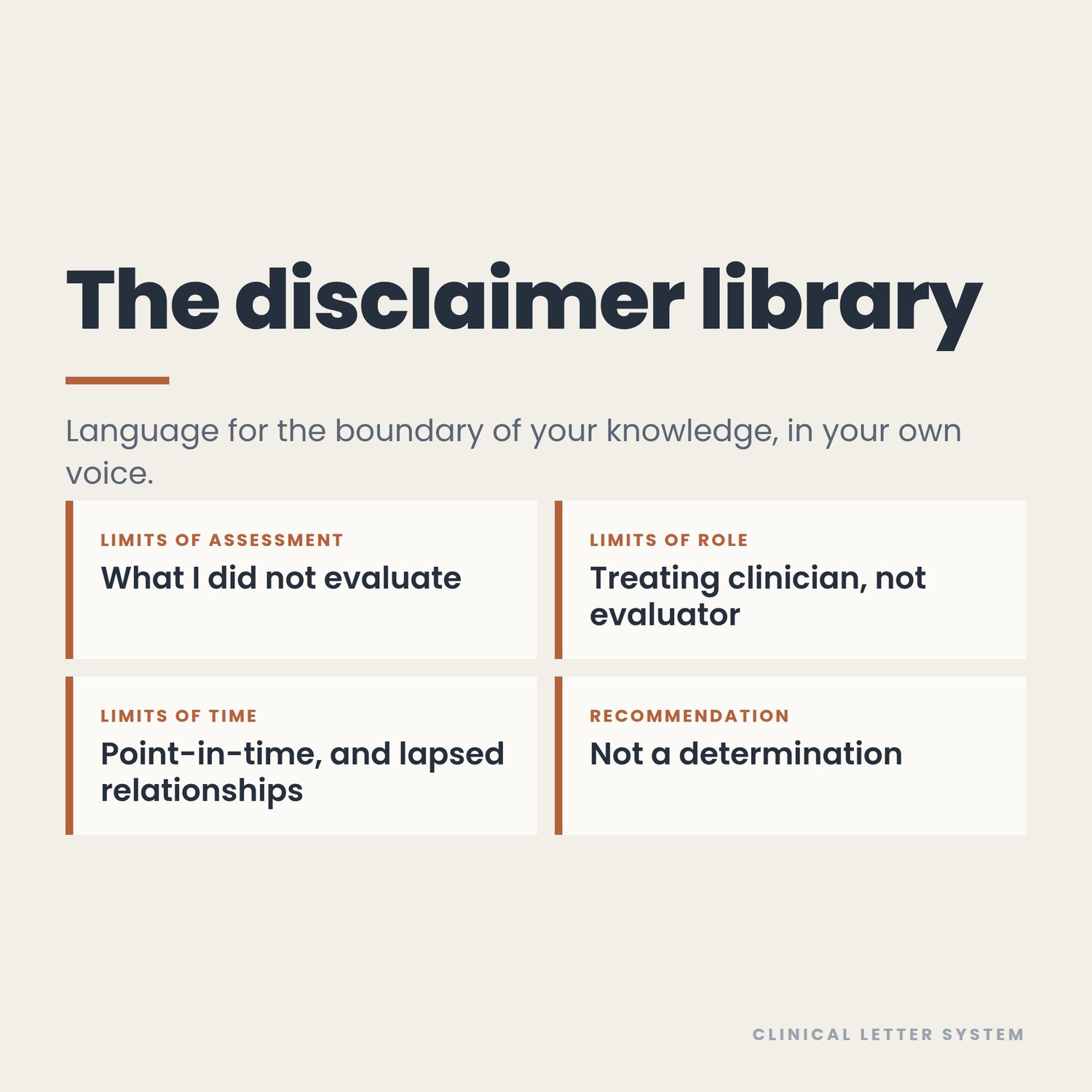
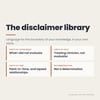
- A disclaimer library for the boundary of your knowledge, in plain clinical language
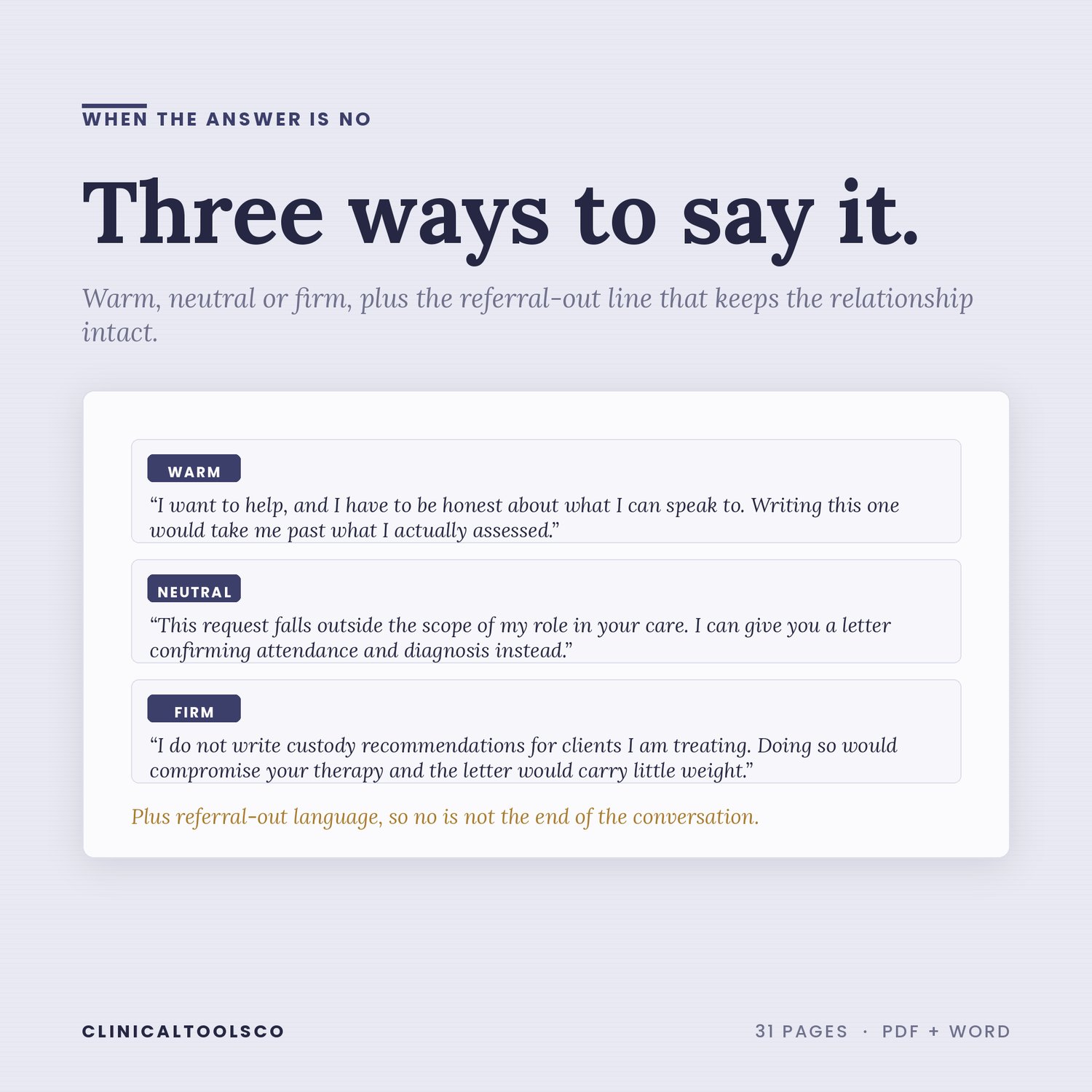
- Decline scripts in three registers, warm, neutral and firm, with referral out language
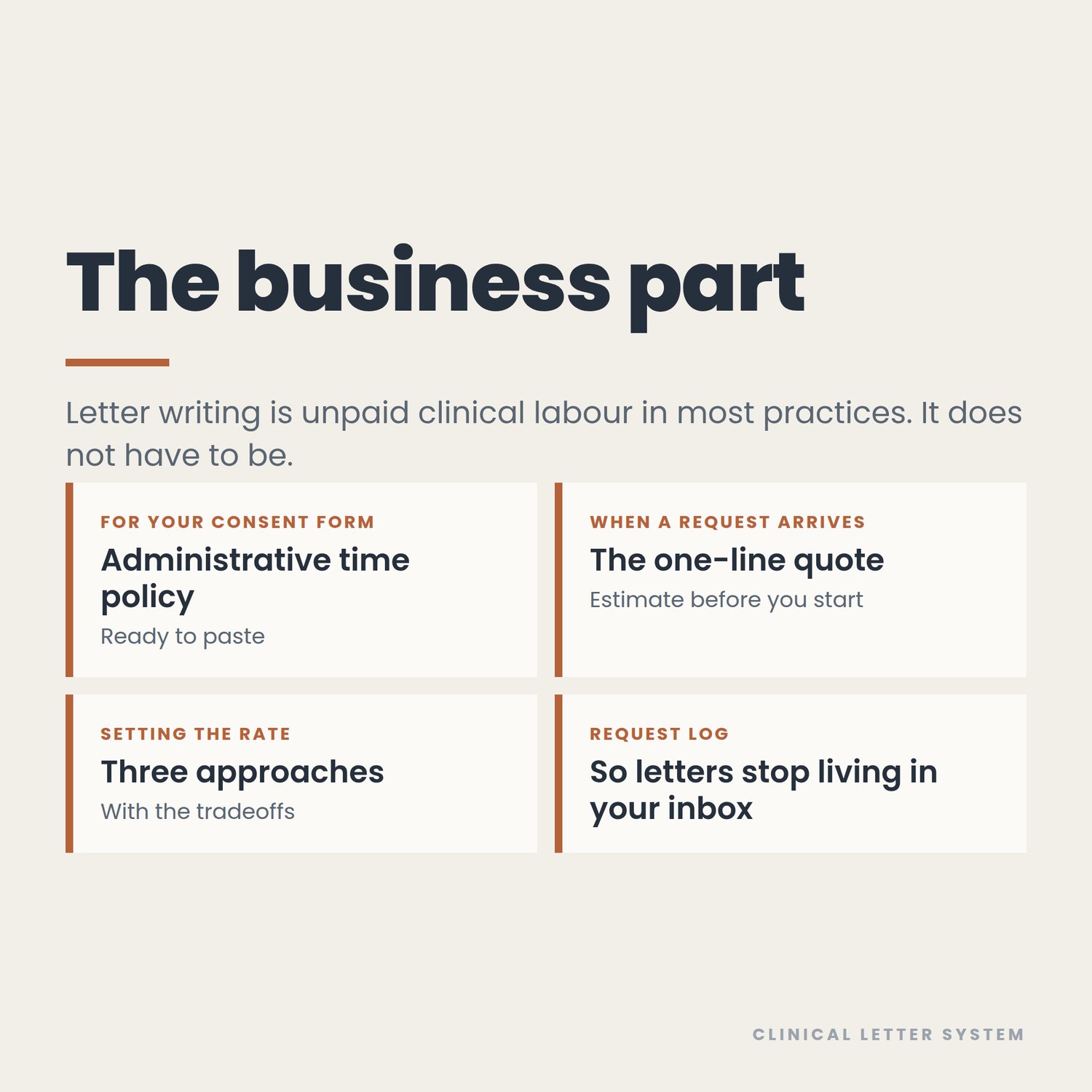
- Fee language for administrative time, ready to paste into your informed consent
- A request log, so letters stop living in your inbox
- A 90 second final check before anything goes out
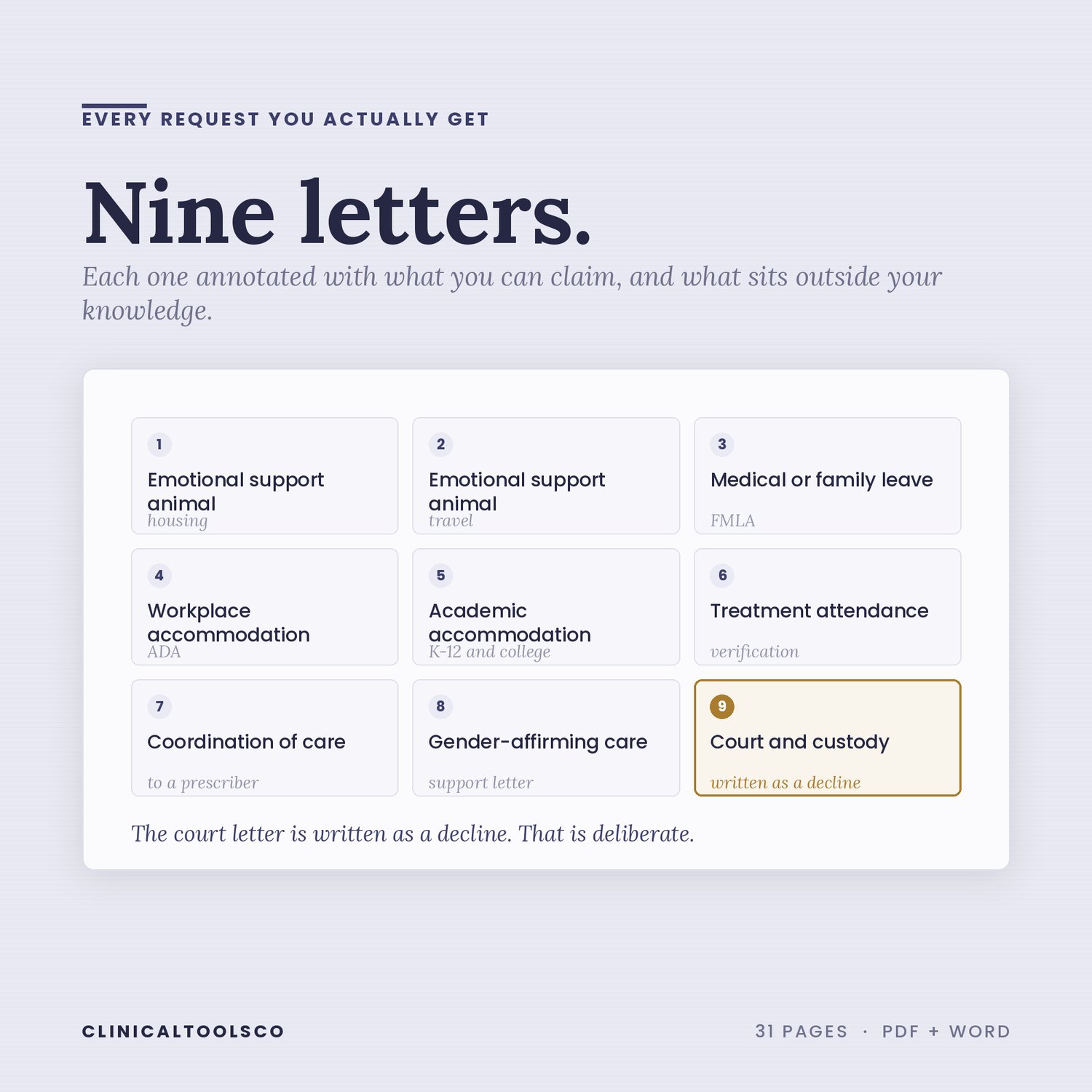
The nine letters. Emotional support animal for housing. Emotional support animal for travel. Medical or family leave. Workplace accommodation. Academic accommodation, K to 12 and college. Treatment attendance and verification. Coordination of care to a prescriber. Court and custody. Gender-affirming care support.
Who it is for
Written for licensed and pre-licensed clinicians in outpatient practice: LCSW, LPC, LMHC, LMFT, psychologists, and anyone supervising trainees who keep asking how to handle these requests. Particularly useful if you have recently gone independent and the requests are arriving faster than your confidence in answering them.
Why it exists
Someone asks you for a letter. It is Thursday, you have four sessions left, and they need it by Monday for their landlord.
You were trained in assessment, diagnosis and intervention. Nobody trained you for the moment a client asks you to write to their landlord, their employer, their dean, or a court. So you write something, and afterwards you are not sure whether you said too much, too little, or something you cannot stand behind.
This is the system for that. Not a template to fill in blind. A way to decide what you can honestly write, then write it, then decline the parts you cannot.
The court and custody skeleton is written as a decline. That is deliberate. It is the page that protects you most, and it hands you the language to say no clearly and warmly to a request you should not accept.
Most letter templates give you a paragraph and wish you luck. The paragraph was never the hard part. The hard part is knowing whether the letter is yours to write at all, and what happens to you if you overstate. Every skeleton here names what you are attesting to and what sits outside your knowledge. The most useful sentence in a clinical letter is usually the one that says what you did not assess, and this gives you that sentence nine different ways.
Format
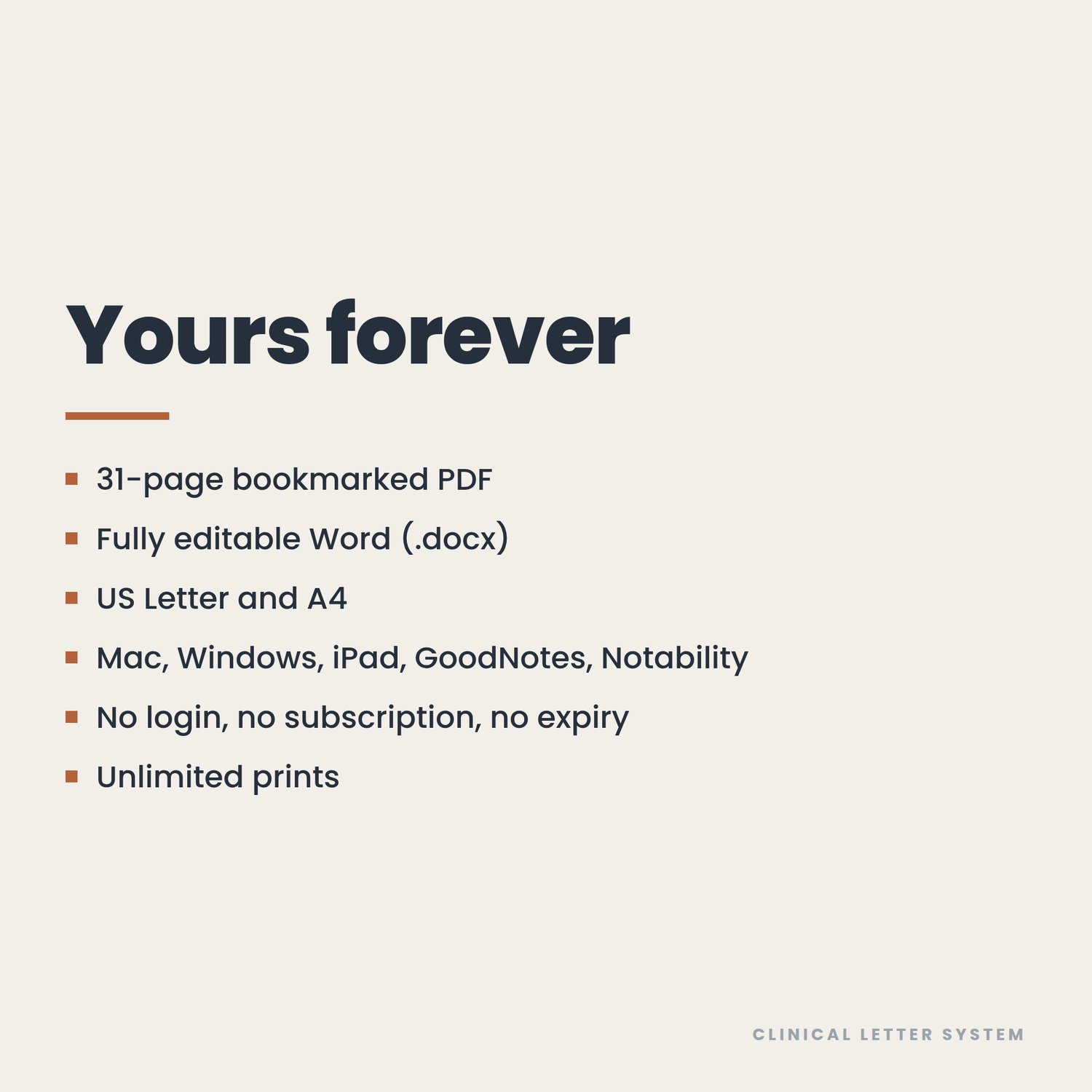
Print-ready PDF, US Letter and A4, plus a fully editable Word file so you can drop in your practice letterhead. Works on Mac, Windows, iPad, GoodNotes and Notability. Instant download, no app and no subscription.
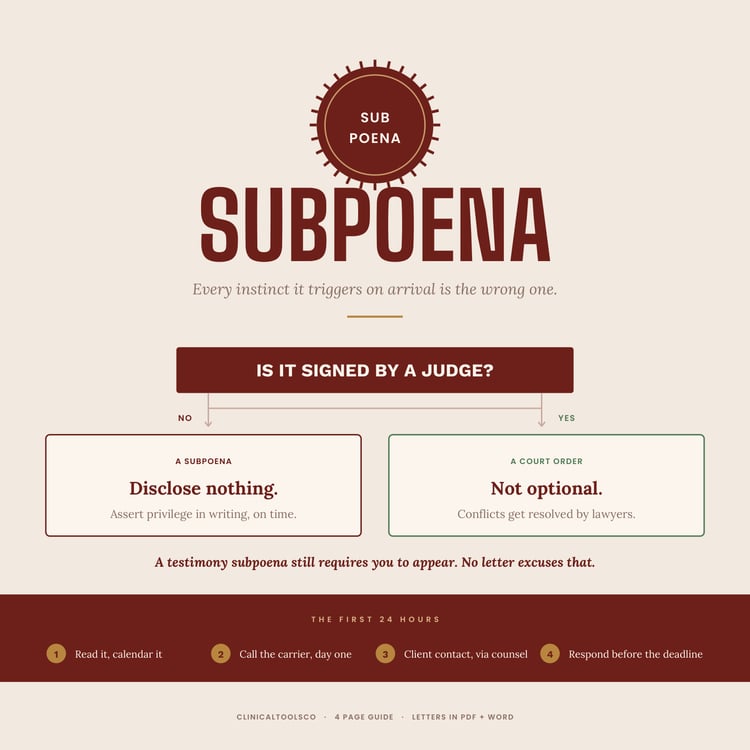
An educational and practice resource. Not legal advice, not a compliance certification, and it does not tell you what any law requires of you or of the person receiving your letter. Where a request turns on a legal question, or where you are served with a subpoena rather than asked, the kit says plainly to call your attorney or your malpractice carrier.
There is a free video lesson on writing client letters and when to say no, with a walkthrough of what is inside the file.
PAIRS WITH
The Gender Affirming Care Letter Kit covers the letters this one deliberately leaves out: hormone therapy, top and bottom surgery, facial feminization and voice, name and gender marker change, and insurance pre-authorization, all built on WPATH SOC-8.