
Dissertation Proposal Guide (2026)
A dissertation proposal guide: the anatomy of a proposal, a 12 to 18 month workflow, a design decision tree, twelve theoretical frameworks, and annotated Chapter 1, 2 and 3 templates.
What is in the toolkit
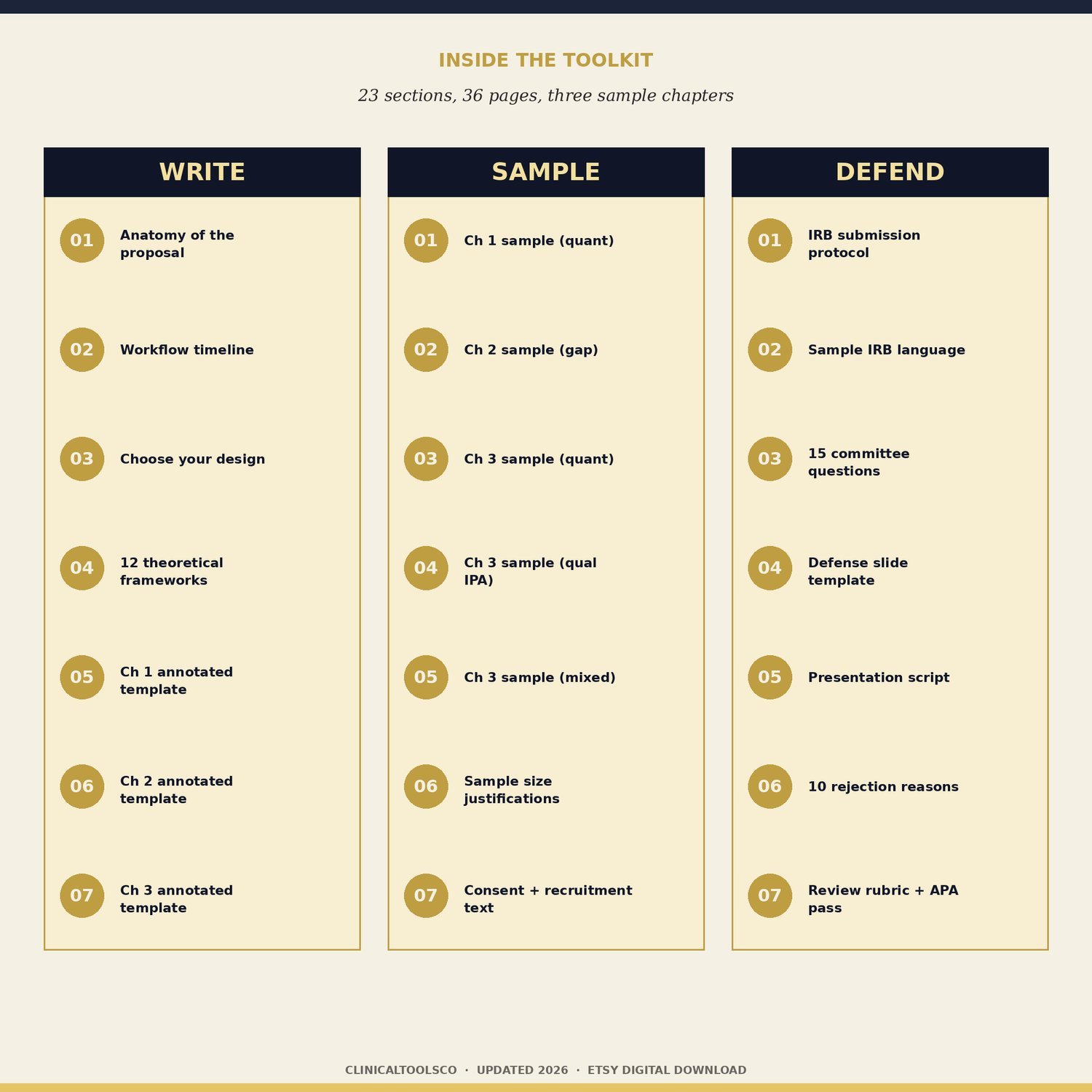
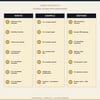
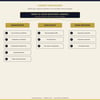
- The anatomy of a proposal: the four criteria committees actually evaluate on, significance, soundness of design, feasibility, and candidate readiness, with what a strong and a weak proposal does on each.
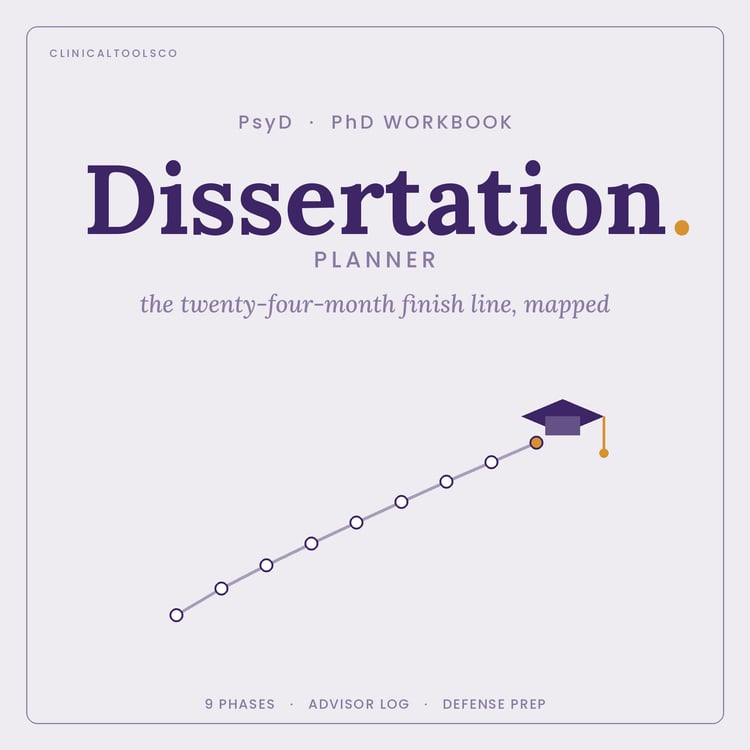
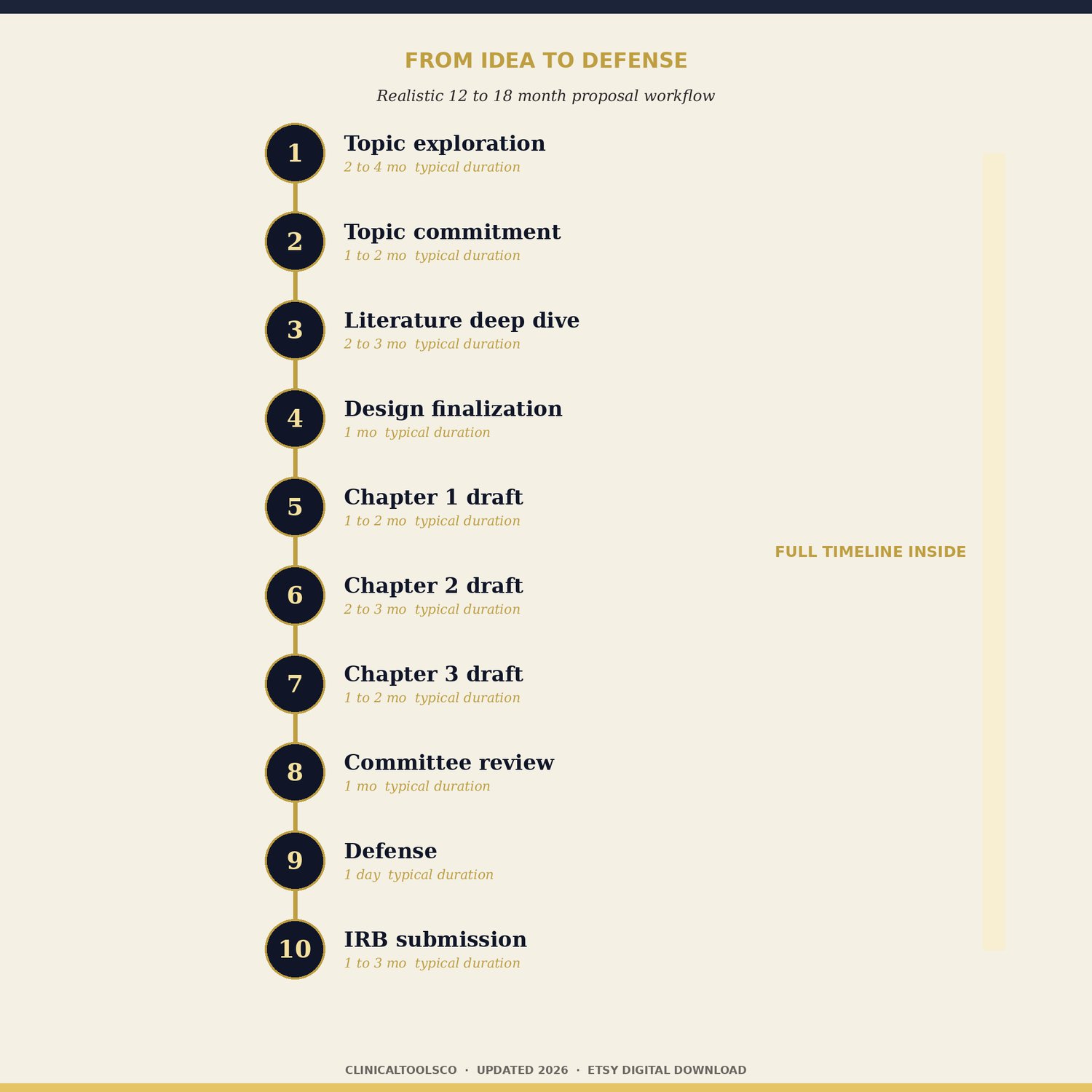
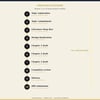
- A realistic 12 to 18 month workflow across 10 phases from topic exploration through IRB approval, marked with where candidates get stuck.
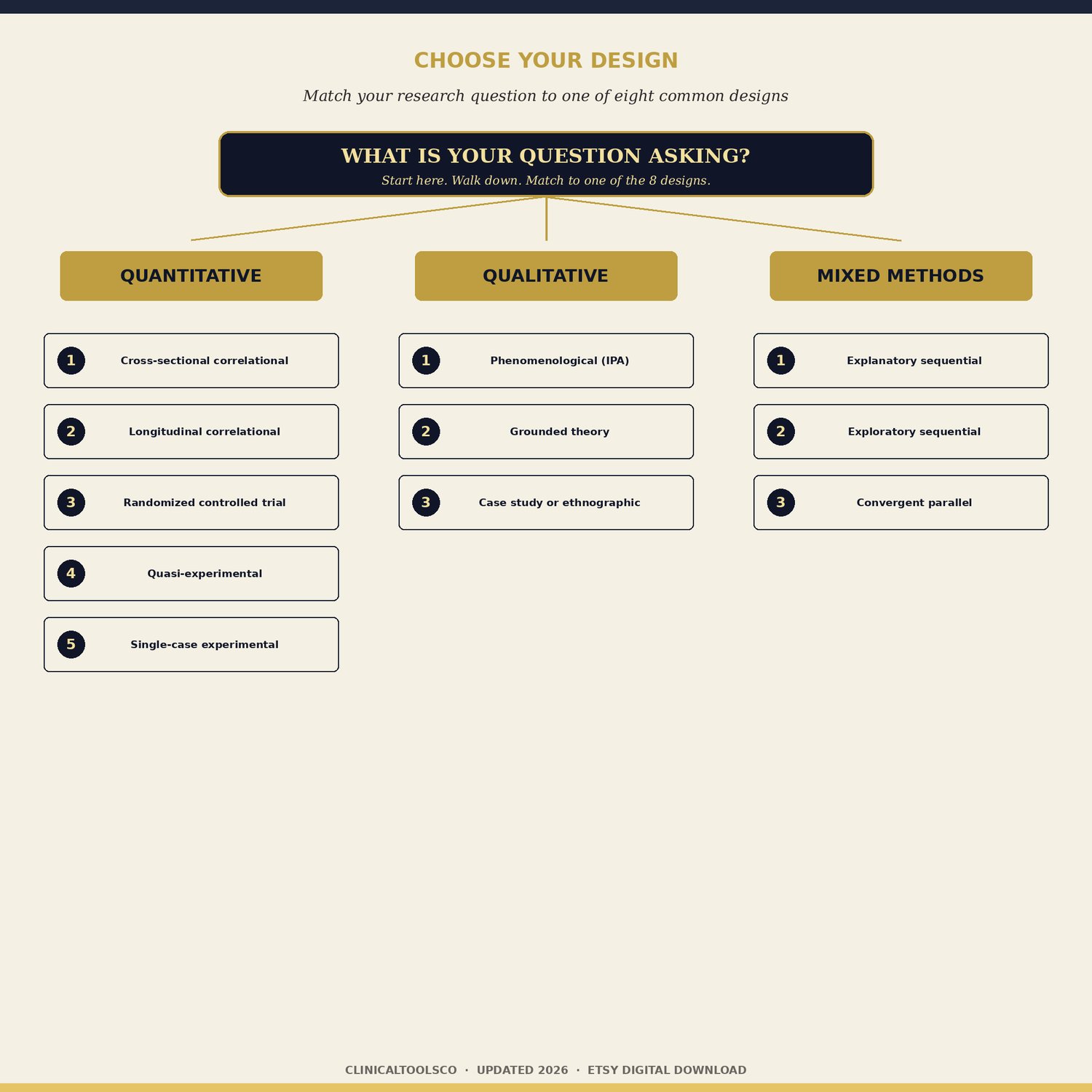
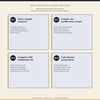
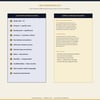
- A design decision tree mapping six question types to design choices, plus the eight common psychology dissertation designs: cross-sectional, longitudinal, RCT, quasi-experimental, single-case, phenomenological, grounded theory, and mixed methods sequential.
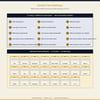
- Twelve commonly used theoretical frameworks with foundational citations and when each fits: Bronfenbrenner, Bandura, Theory of Planned Behavior, attachment, self-determination, minority stress, CBT, diathesis-stress, polyvagal, intersectionality, Lazarus and Folkman, and trauma-informed.
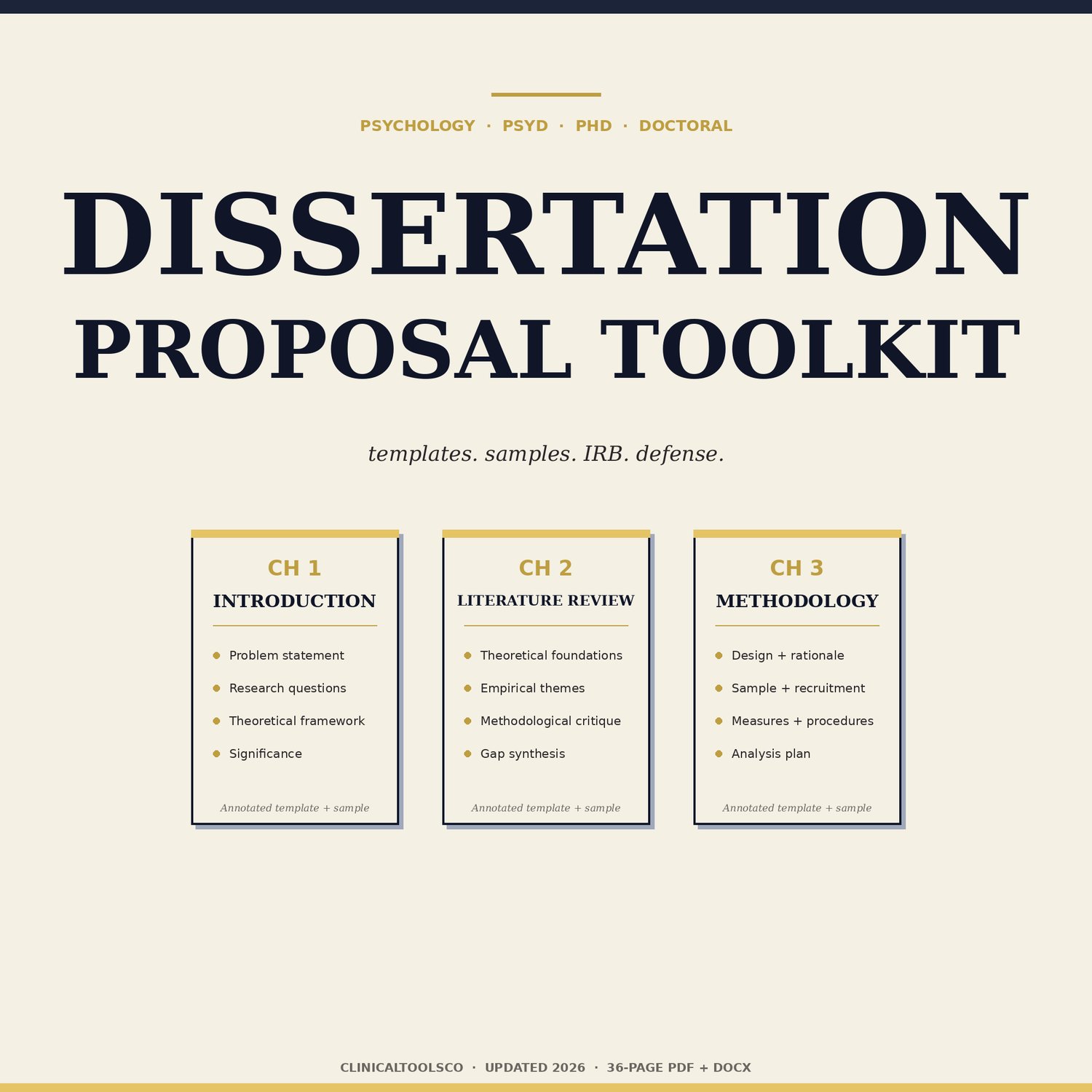
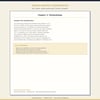
- Chapter 1: an annotated template across nine subsections with a full sample excerpt covering problem statement, purpose, research questions, hypotheses, significance, definitions, assumptions, and limitations.
- Chapter 2: an annotated template across seven subsections with a full sample gap synthesis excerpt.
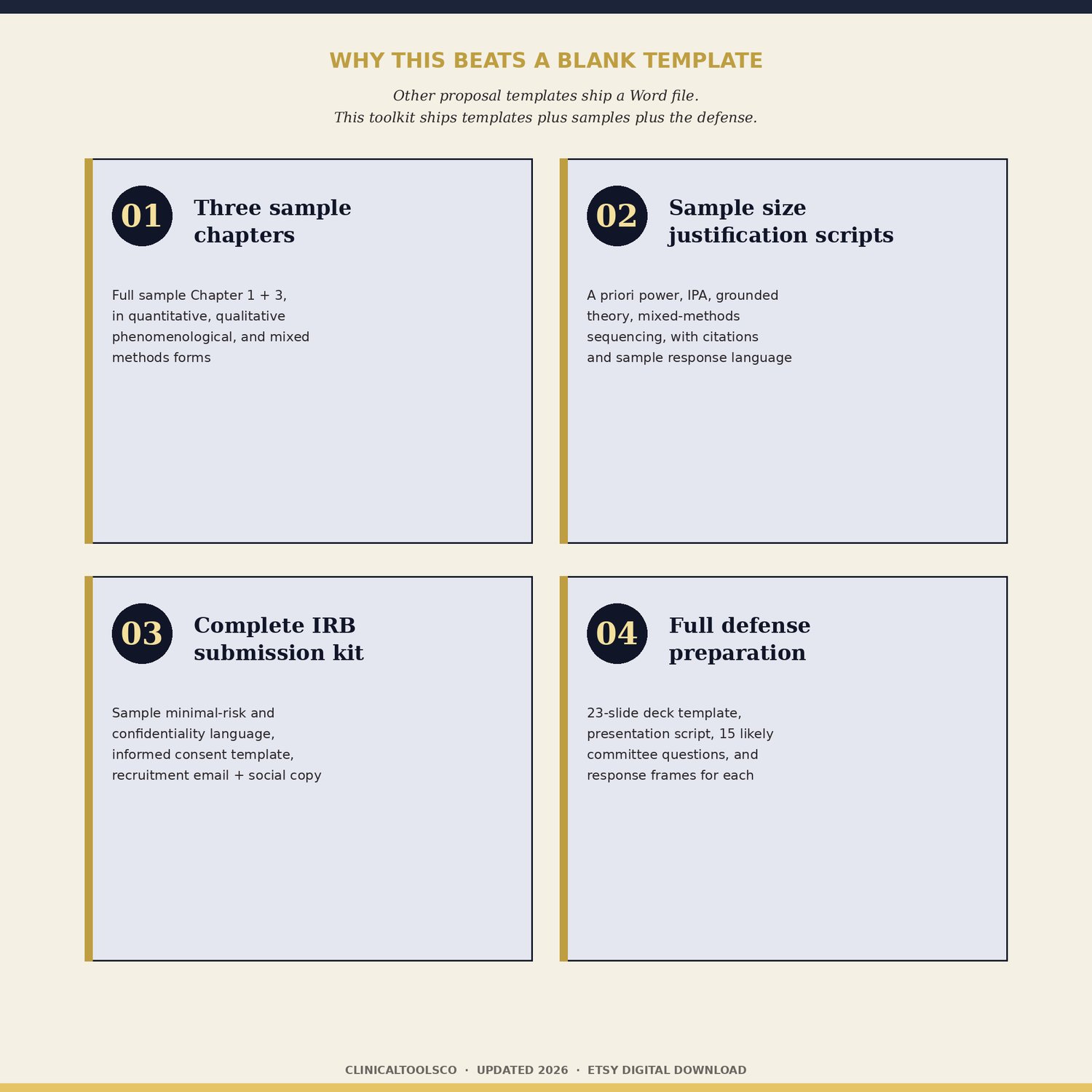
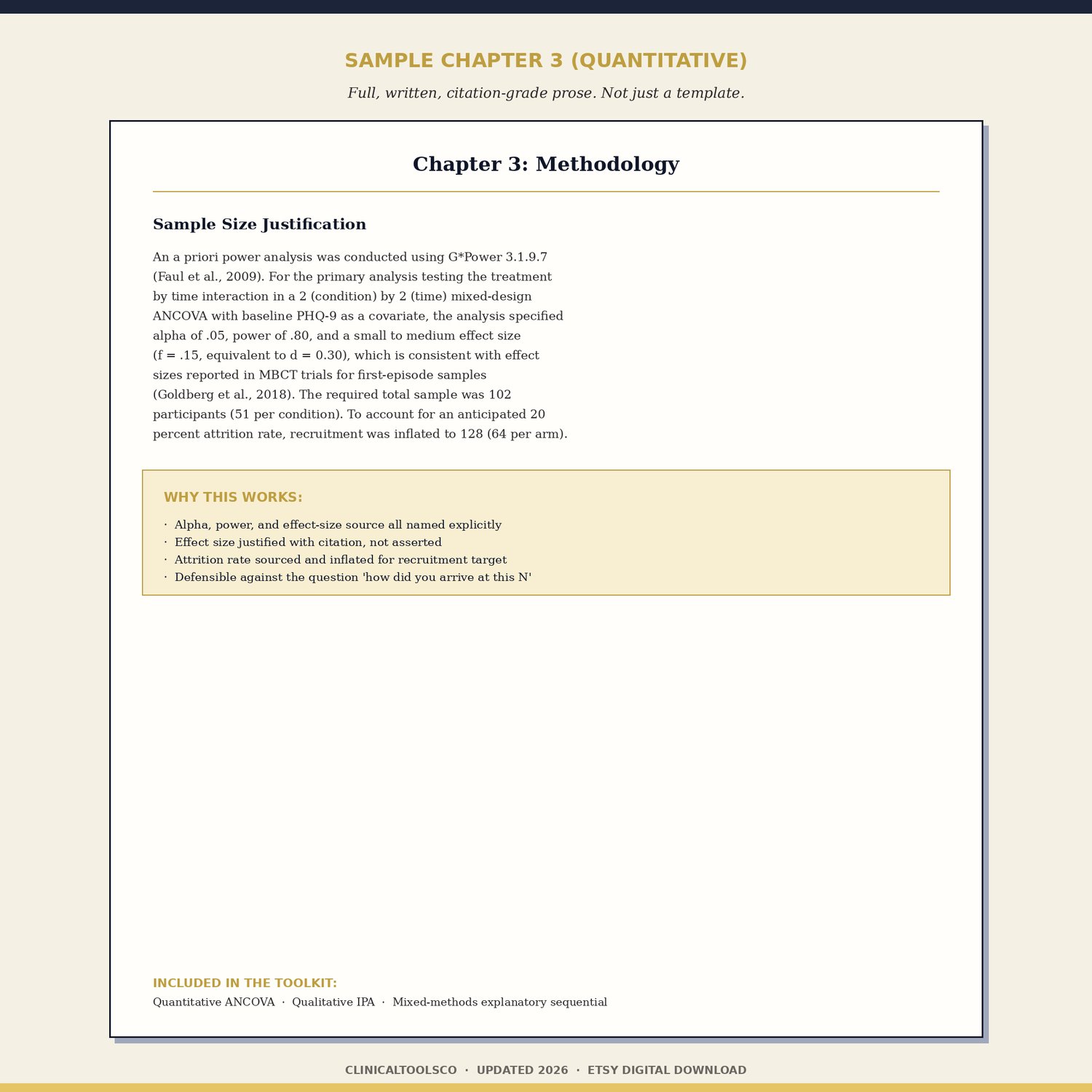
- Chapter 3: an annotated template covering both quantitative and qualitative branches across ten subsections, with three complete sample chapters. The quantitative sample shows a priori power analysis, measure psychometric reporting, and an analysis plan with mediation. The phenomenological sample shows the IPA rationale, the homogeneous purposive sample, and the six-step analysis. The mixed methods sample shows the integration plan across phases.
- Sample size justification scripts for quantitative power, qualitative saturation, IPA, grounded theory, and mixed methods sequencing, each with prepared responses to the committee challenge that follows.
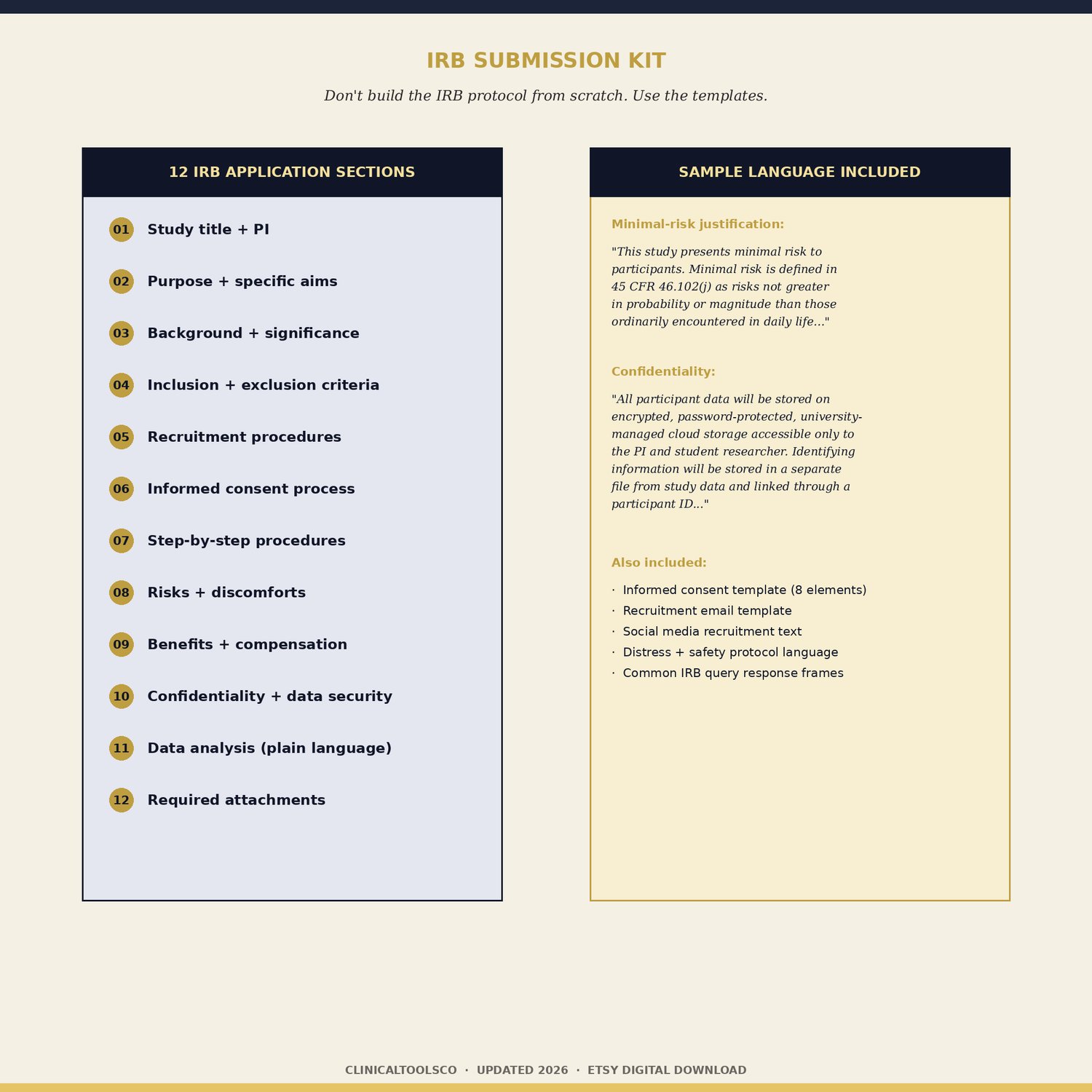
- An IRB submission protocol with all 13 standard application sections and sample language for minimal-risk justification and confidentiality, plus an informed consent template covering all eight required elements under 45 CFR 46.116 and recruitment email and social media templates.
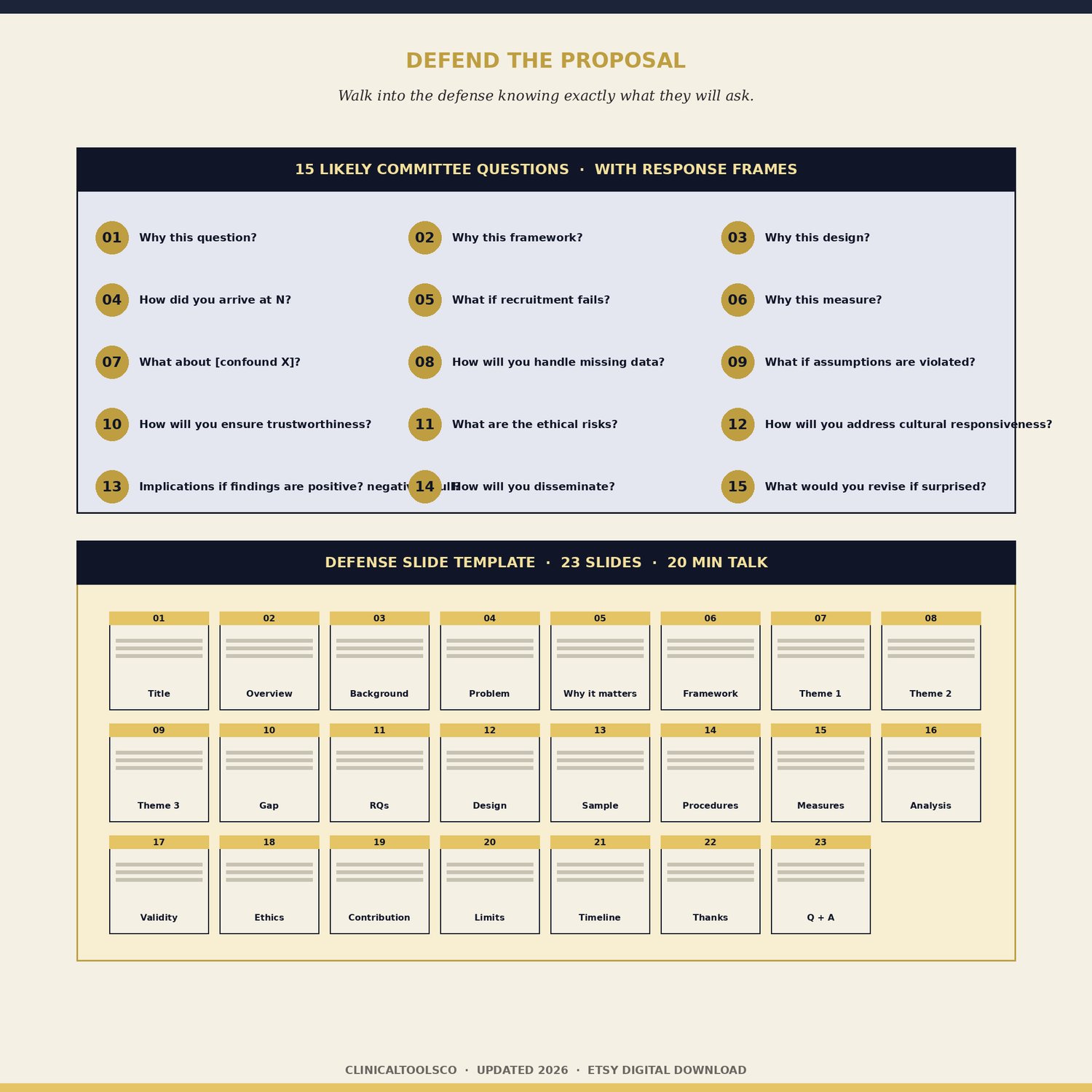
- Fifteen common committee questions with sample response frames. A 23 slide defense template with content and timing for a 20 to 25 minute presentation, and a presentation script covering opening, transitions, closing, and Q and A.
- Ten reasons proposals get rejected with the fix for each, a 10 criterion review rubric with the rating anchors committees use, an APA 7 formatting checklist, and 20 common pitfalls with realistic time estimates by phase.
Who it is for
PsyD candidates in clinical, counseling, school, or rehabilitation psychology. PhD candidates in clinical, counseling, school, experimental, developmental, social, or educational psychology. Candidates choosing a design before drafting Chapter 1. Students who got a needs-more-synthesis comment on Chapter 2. Candidates preparing IRB submissions and consent materials. Candidates preparing the proposal defense. EdD candidates whose program uses the same Chapter 1 through 3 structure. Doctoral chairs who want a structured resource to hand incoming students.
Why it exists
The proposal is the most consequential document of doctoral training. The committee approves the design, the sample, the procedures, and the analysis plan before a single data point exists. Get it wrong and the next year goes to redoing it or executing a study you cannot defend. Most candidates draft Chapter 1 before settling on a design, summarize Chapter 2 instead of synthesizing it, and arrive at Chapter 3 unable to specify procedures an IRB can actually evaluate.
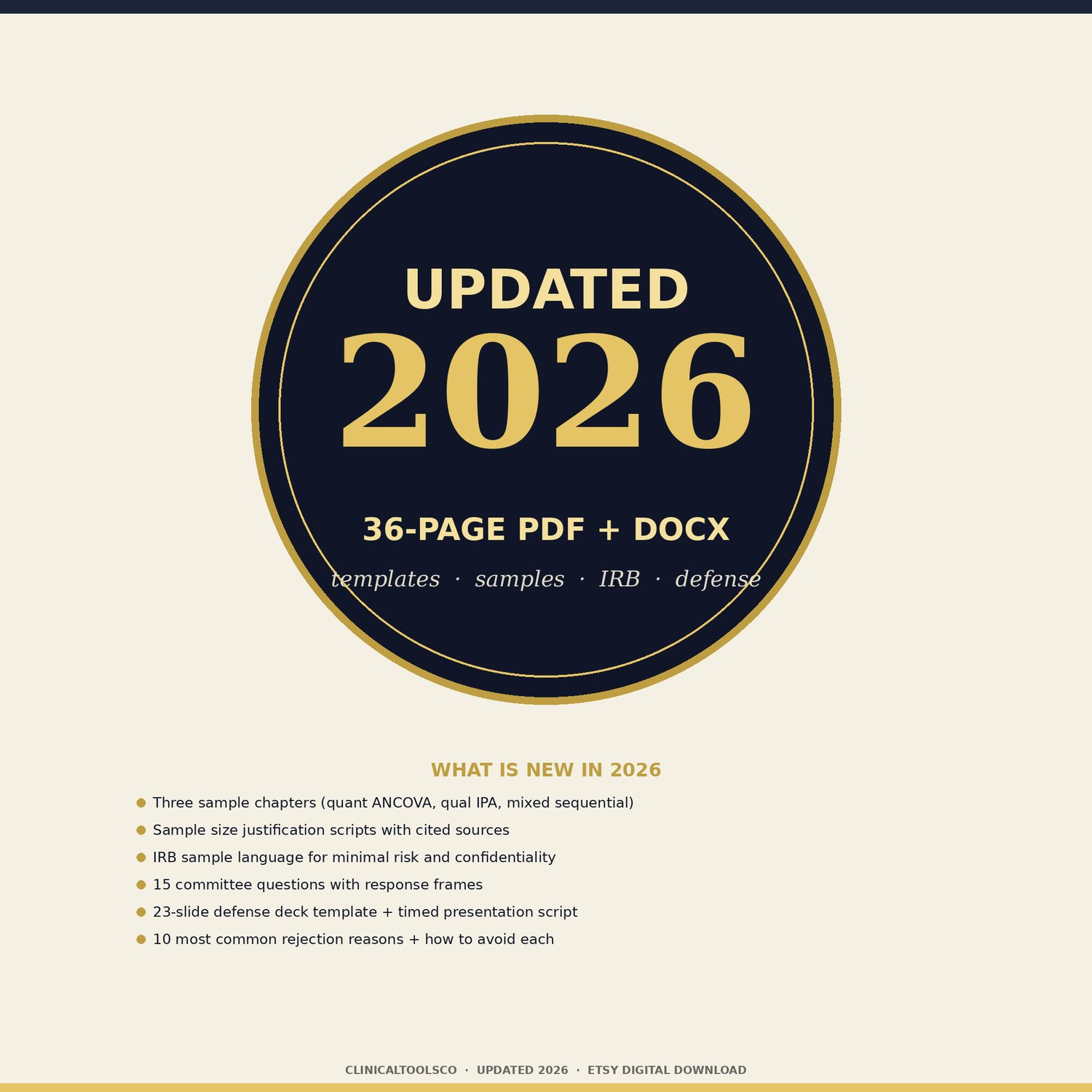
36 pages with annotated templates for Chapters 1, 2, and 3, three complete sample chapters across quantitative, qualitative phenomenological, and mixed methods designs, the IRB protocol, the defense slide template, and the 15 committee questions with answer frames.
Includes a companion: Annotated Proposal Excerpts and a Defense Question Bank, mapping each early chapter to the objection committees raise, with an annotated problem statement and the proposal-meeting questions alongside what each one is really asking.
Why it is built this way
Most proposal resources give you a generic outline or one template. This gives you annotated templates with bracketed prompts inside every subsection, three full sample chapters across the major design types, the IRB protocol, and the defense materials.
Candidates ask what a strong methods chapter looks like for their design more than any other question, which is why three complete Chapter 3s are included rather than one.
Sample size justification is the single most common weak point in proposals, so each script carries the methodological sources committees recognize.
Defense questions cluster around predictable topics. Practicing the fifteen out loud is the highest-return hour of preparation available before a defense.
Most proposals are written without the IRB form open, which produces procedure descriptions the IRB cannot evaluate. Knowing what the application asks lets you draft Chapter 3 in parallel and save the rework.
Format
36 page toolkit as PDF and as editable Microsoft Word (.docx), same content in both. Both files include the Annotated Proposal Excerpts and Defense Question Bank companion. US Letter (8.5 x 11) and A4 (8.3 x 11.7) both included. Works on Mac, Windows, iPad, Google Docs, and Pages. Lifetime access, unlimited prints.
Updated 2026
Reflects the APA 7 formatting standard (2019), current G*Power (3.1.9.7), current PROCESS macro (Hayes 4.3), current IPA methodology guidance (Smith et al., 2022), current saturation and information power frameworks (Saunders et al. 2018; Malterud et al. 2016), current CONSORT and SRQR reporting standards, the current 45 CFR 46.116 consent elements, the current SAMHSA trauma-informed framework, and the Lincoln and Guba trustworthiness language IRBs and committees still use.
How to use it
Not started yet: read Sections 1 through 5 straight through, use the design decision tree to pick a study type before committing to a topic, and take a one-page design memo to your advisor before drafting Chapter 1. Actively drafting: work inside the annotated templates, each with bracketed prompts explaining what goes where, paired with the matching sample chapter for your design. Defense in 30 days: Sections 17 through 19, practice the 15 questions out loud, build slides from the 23 slide template, and run a timed mock defense with two peers. Before submitting: run the 10-rejection check, the review rubric, and the APA 7 final pass.
A defensible proposal is one the committee can approve in good conscience. It does not have to be a perfect one.
Instant digital download. No physical product ships. Message us if anything does not work.