

Eating Disorders Treatment Toolkit (2026)
An eating disorders treatment toolkit: screening with full scoring, medical stabilization criteria, a level-of-care decision tree, CBT-E for adults and family-based treatment for adolescents.
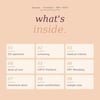
What is in the toolkit
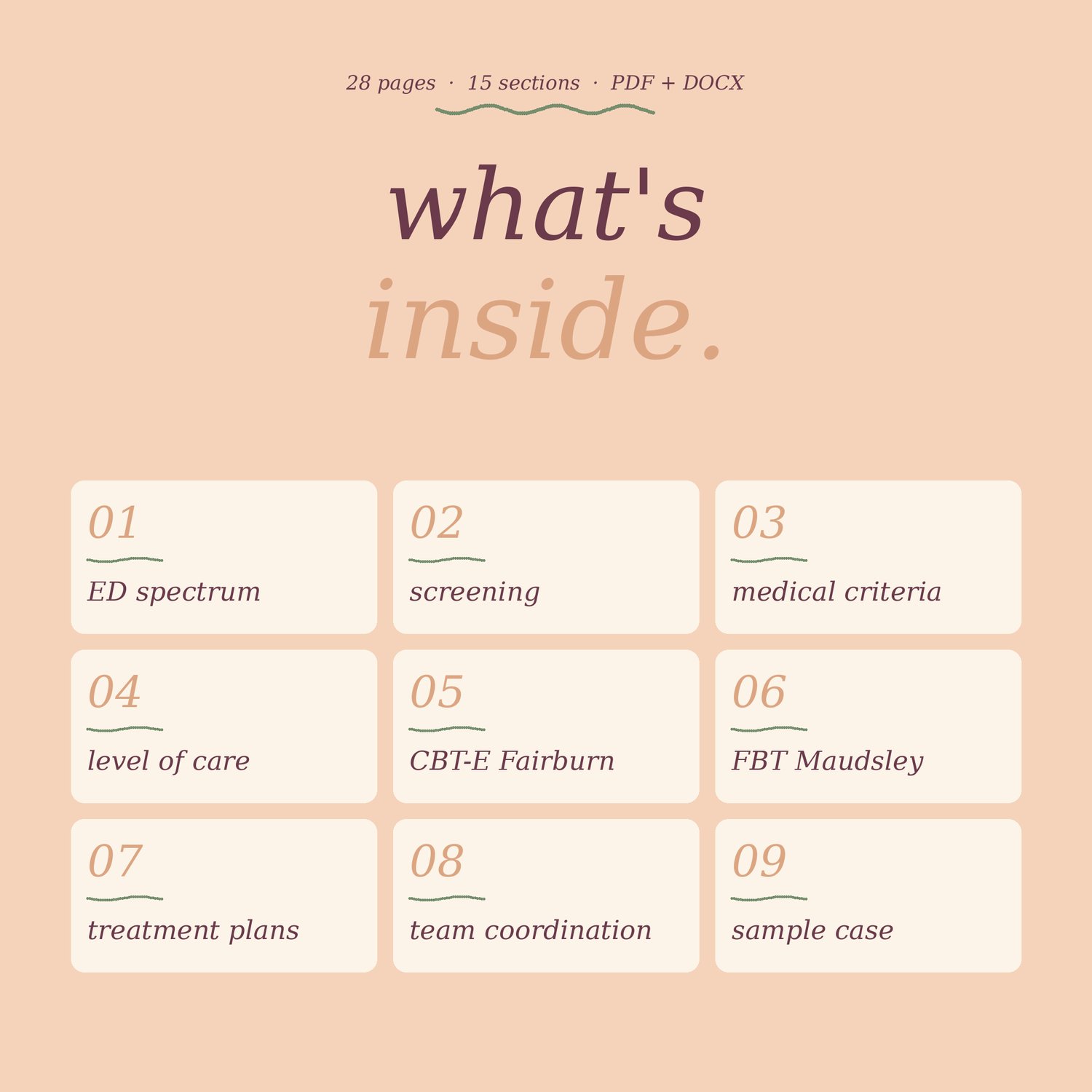
- A how-to-use page with three common clinical use cases and the reminder that medical complications arrive before psychiatric symptoms do
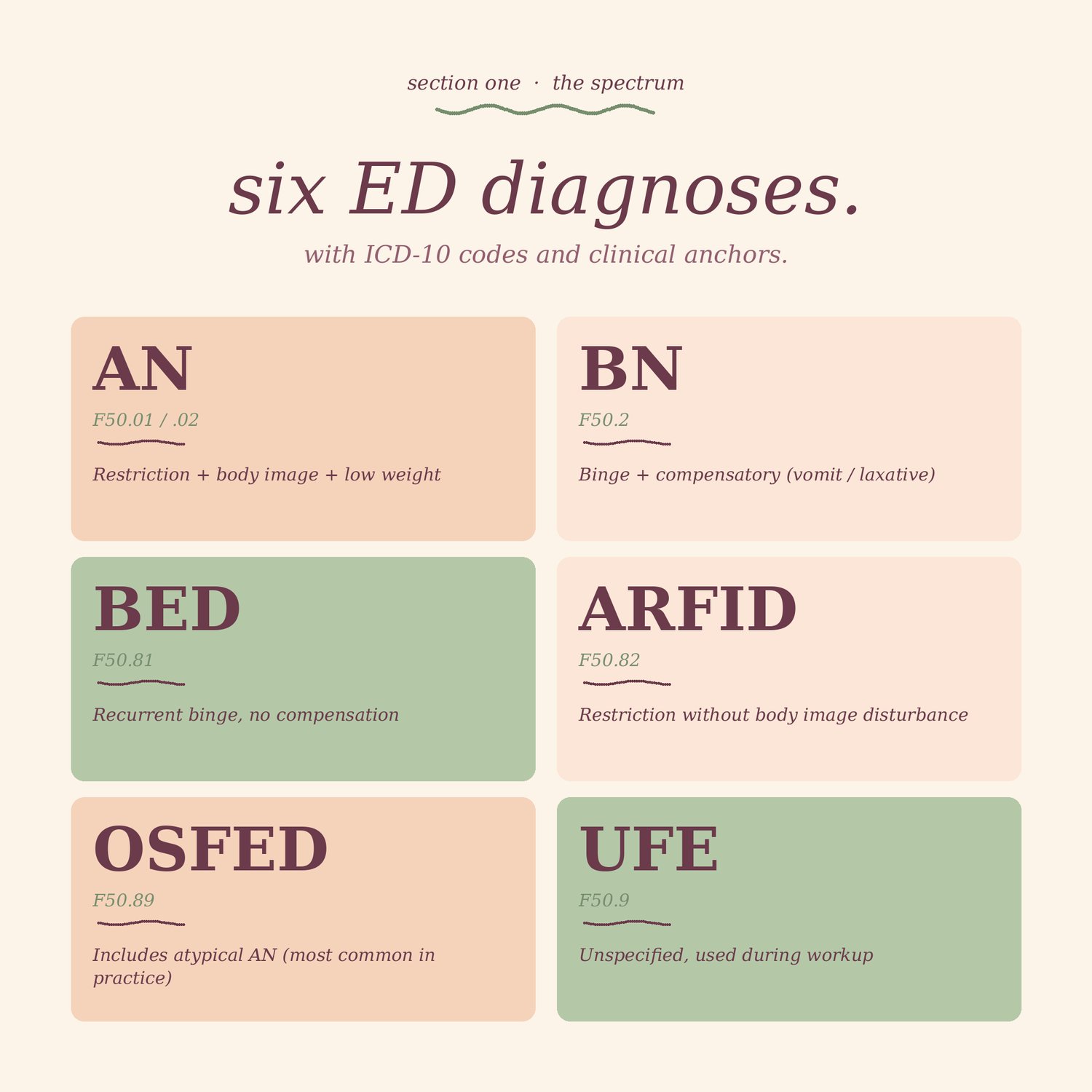
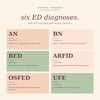
- Section 1: The eating disorder spectrum across the DSM-5-TR categories with prevalence, and a dedicated explainer on why atypical anorexia is the most-missed adult diagnosis
- Section 2: Screening protocols with full scoring anchors for the SCOFF, EAT-26 with cutoffs and subscale breakdown, and the EDE-Q with its global score and four subscales, plus the critical items every screener misses
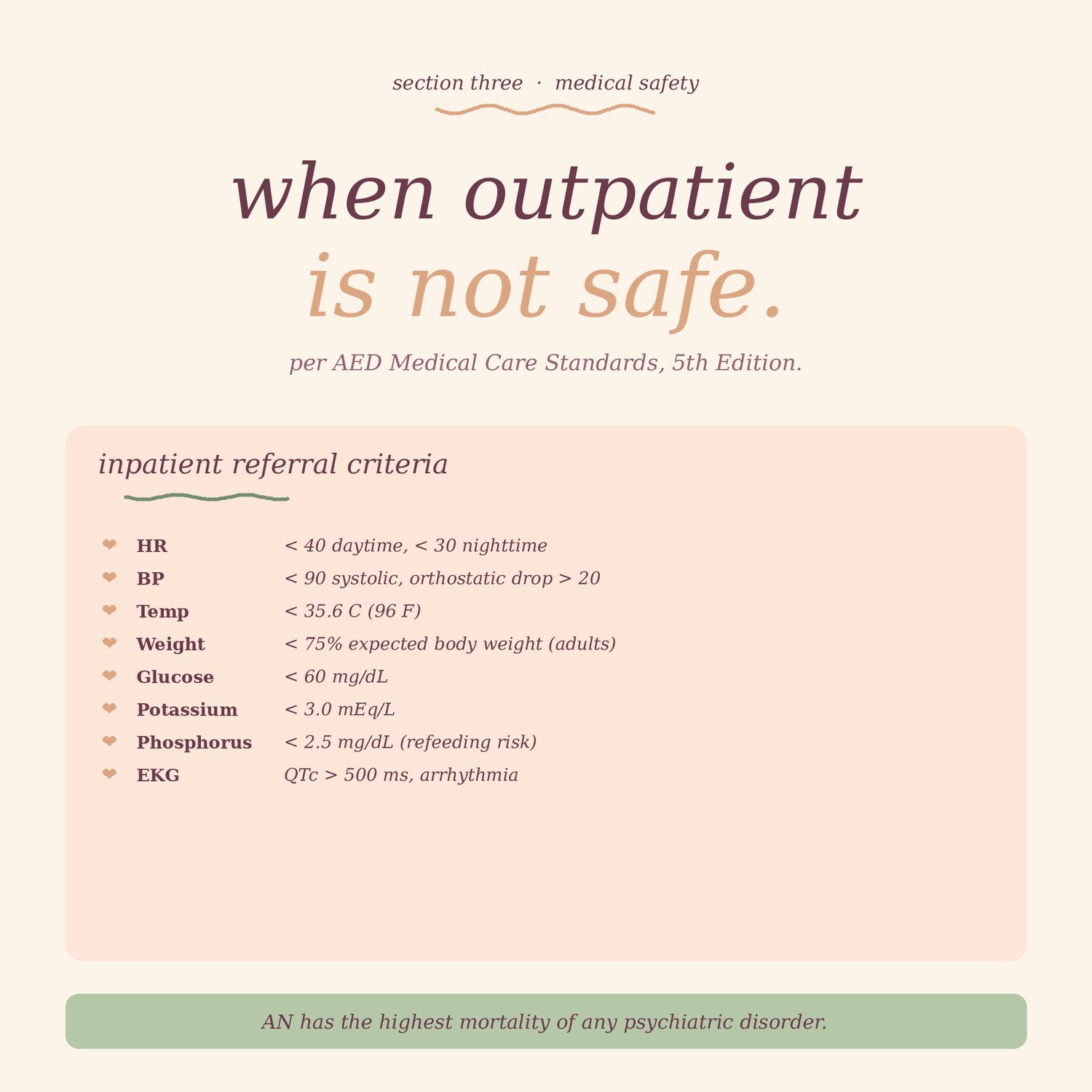
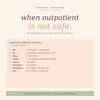
- Section 3: Medical stabilization criteria per the AED Medical Care Standards, with the vital sign and lab thresholds that override outpatient care, and a full explainer on refeeding syndrome risk
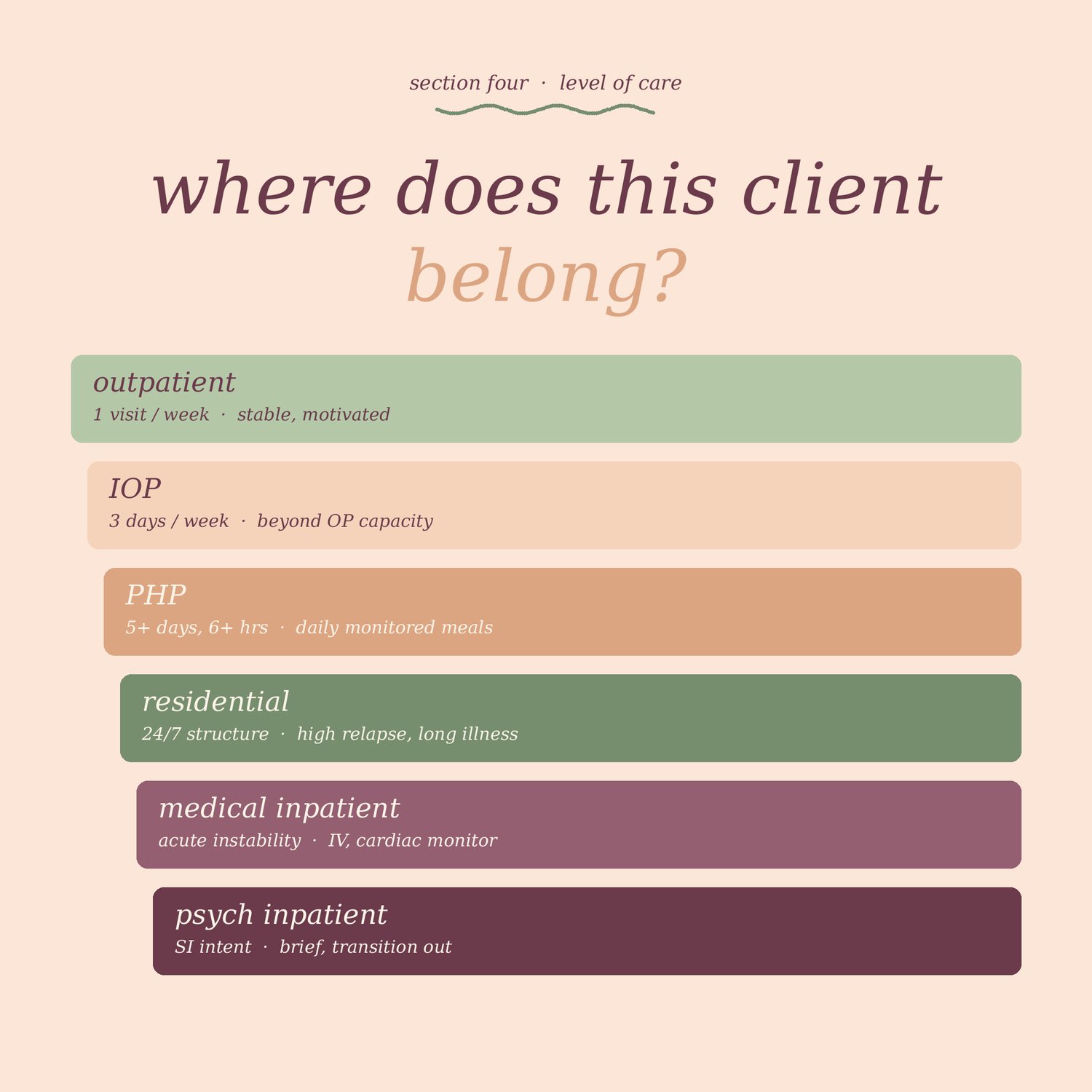
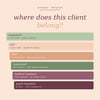
- Section 4: Level-of-care decision tree across outpatient, IOP, PHP, residential, medical inpatient and psychiatric inpatient, with a sample authorization letter built in the structure insurance reviewers expect
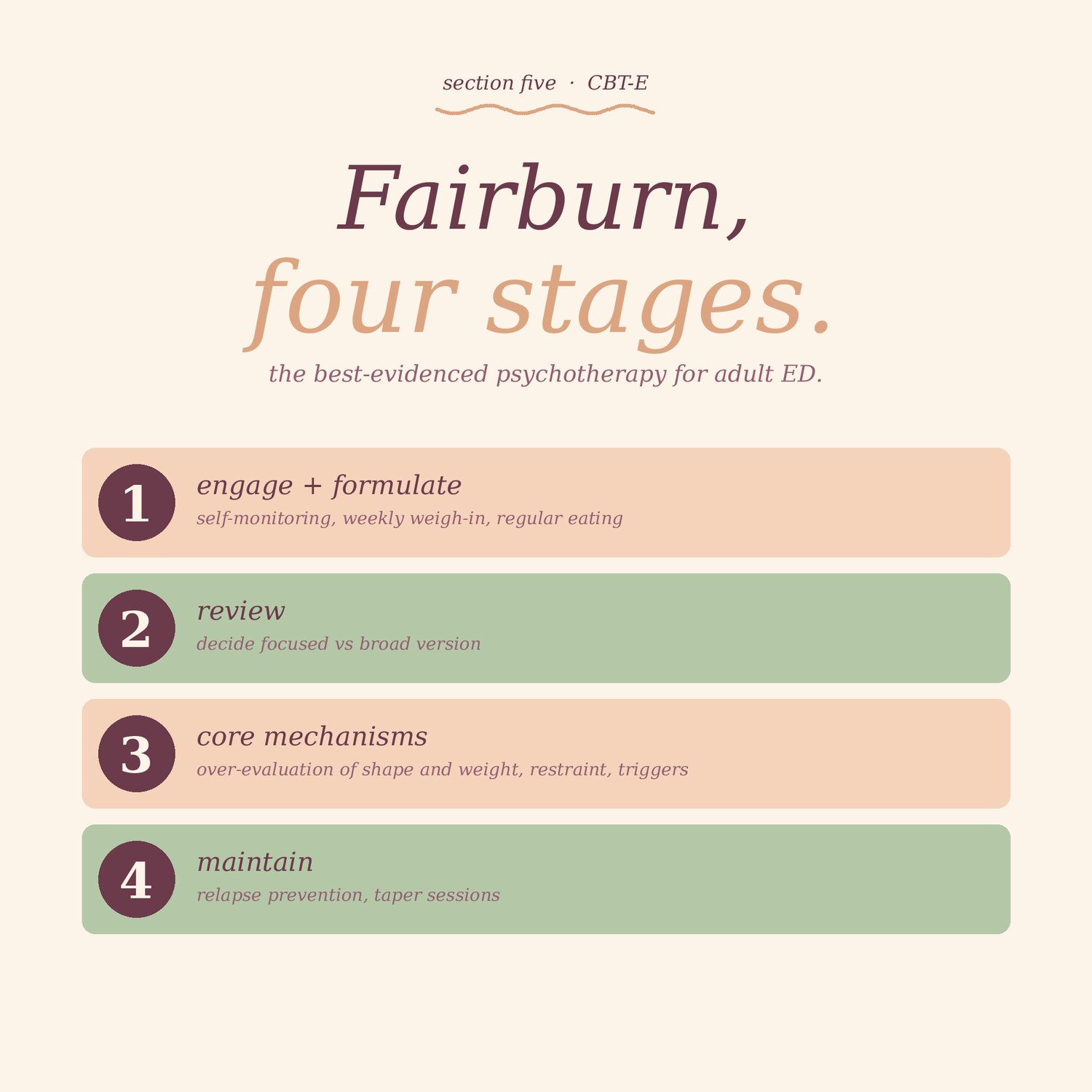
- Section 5: CBT-E for adults with the four-stage structure, focused versus broad versions, core interventions and low-weight adaptations
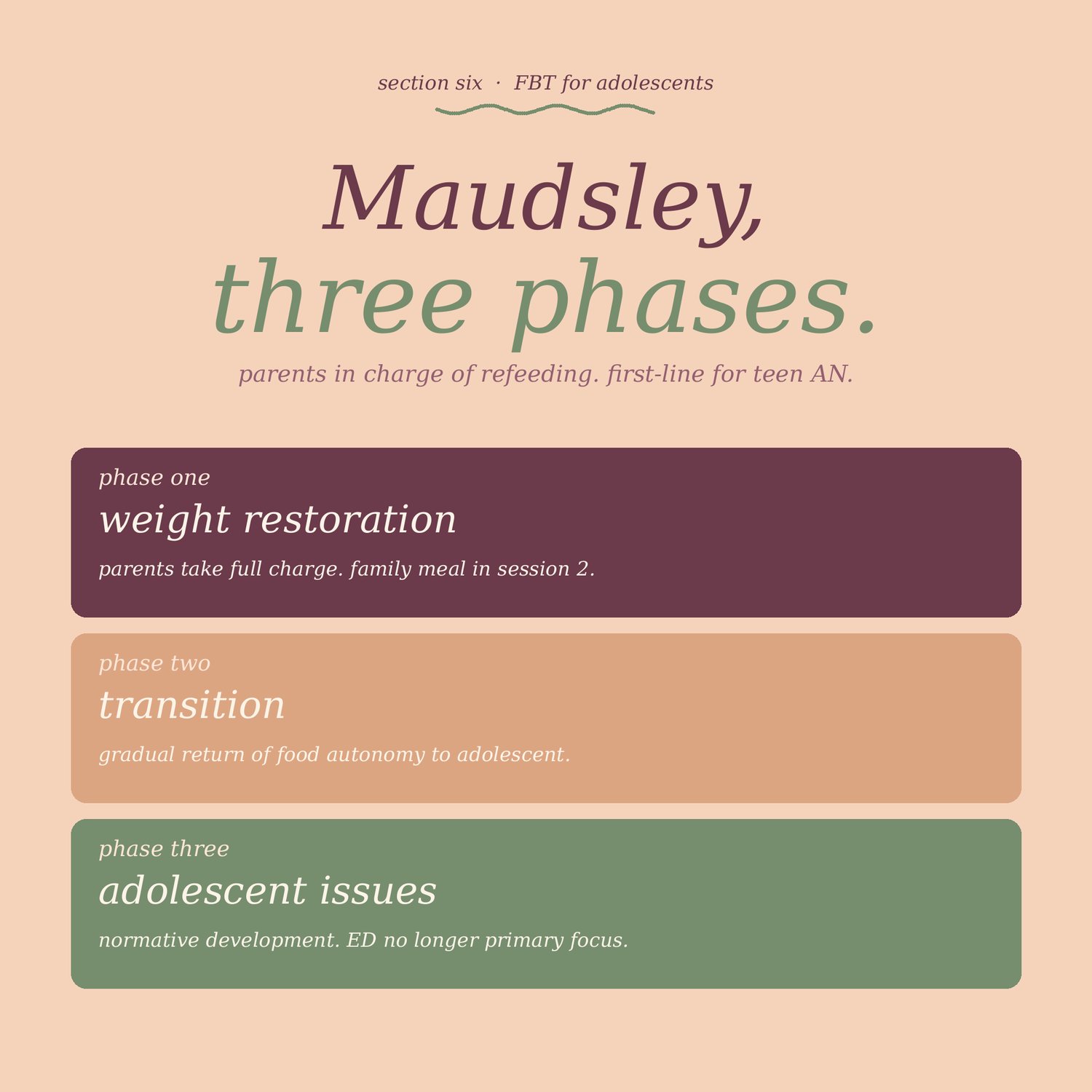
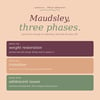
- Section 6: Family-based treatment for adolescents with the three-phase structure, family meal session framing, contraindications, and pacing of control transfer
- Section 7: Treatment planning architecture with SMART goals and supported modalities by diagnosis
- Section 8: Body image interventions across cognitive, behavioral and affective domains, with the CBT-E body image module steps and guidance on when body image work should wait
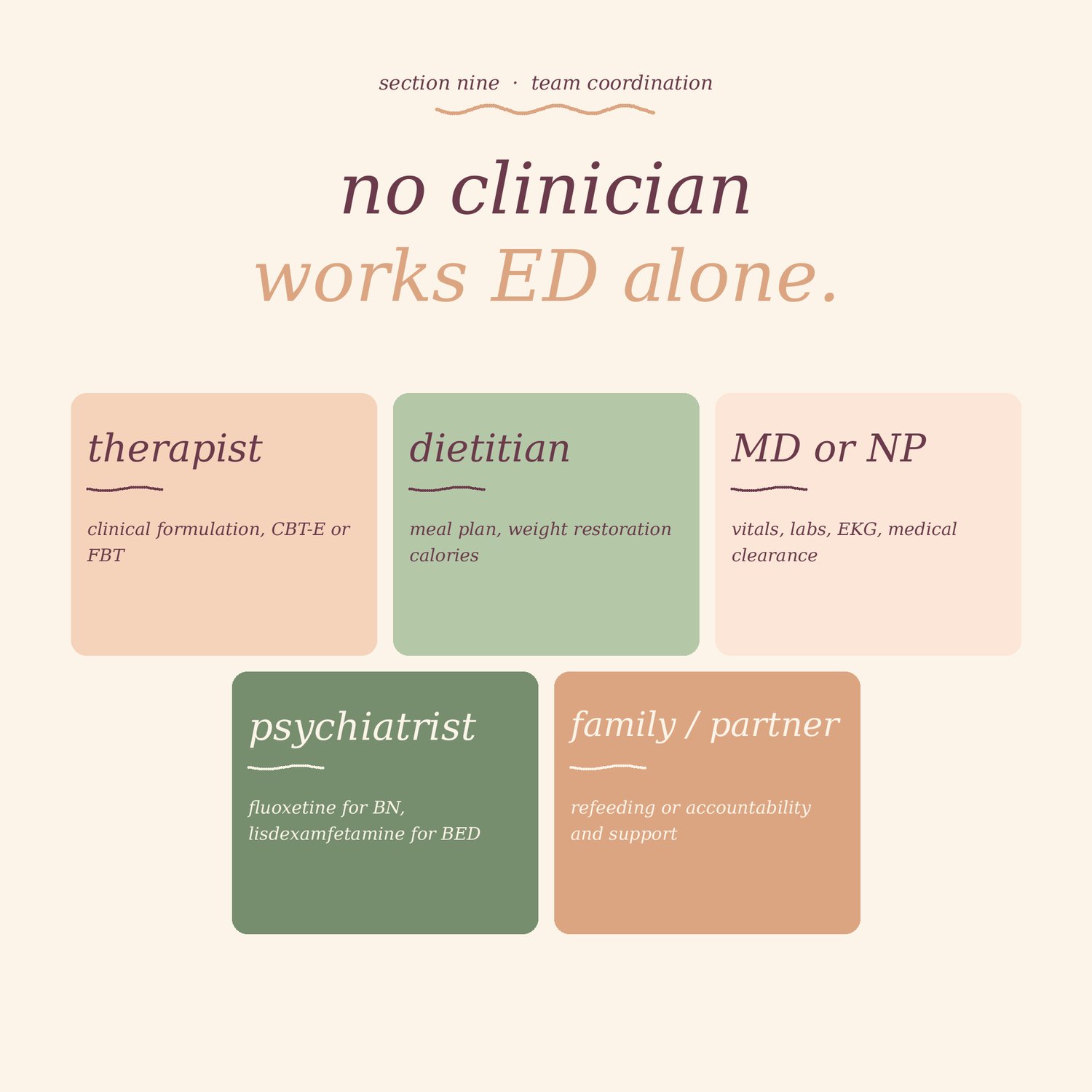
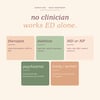
- Section 9: Multidisciplinary care coordination with role definitions for therapist, dietitian, physician, psychiatrist and family or partner, plus a sample team coordination note
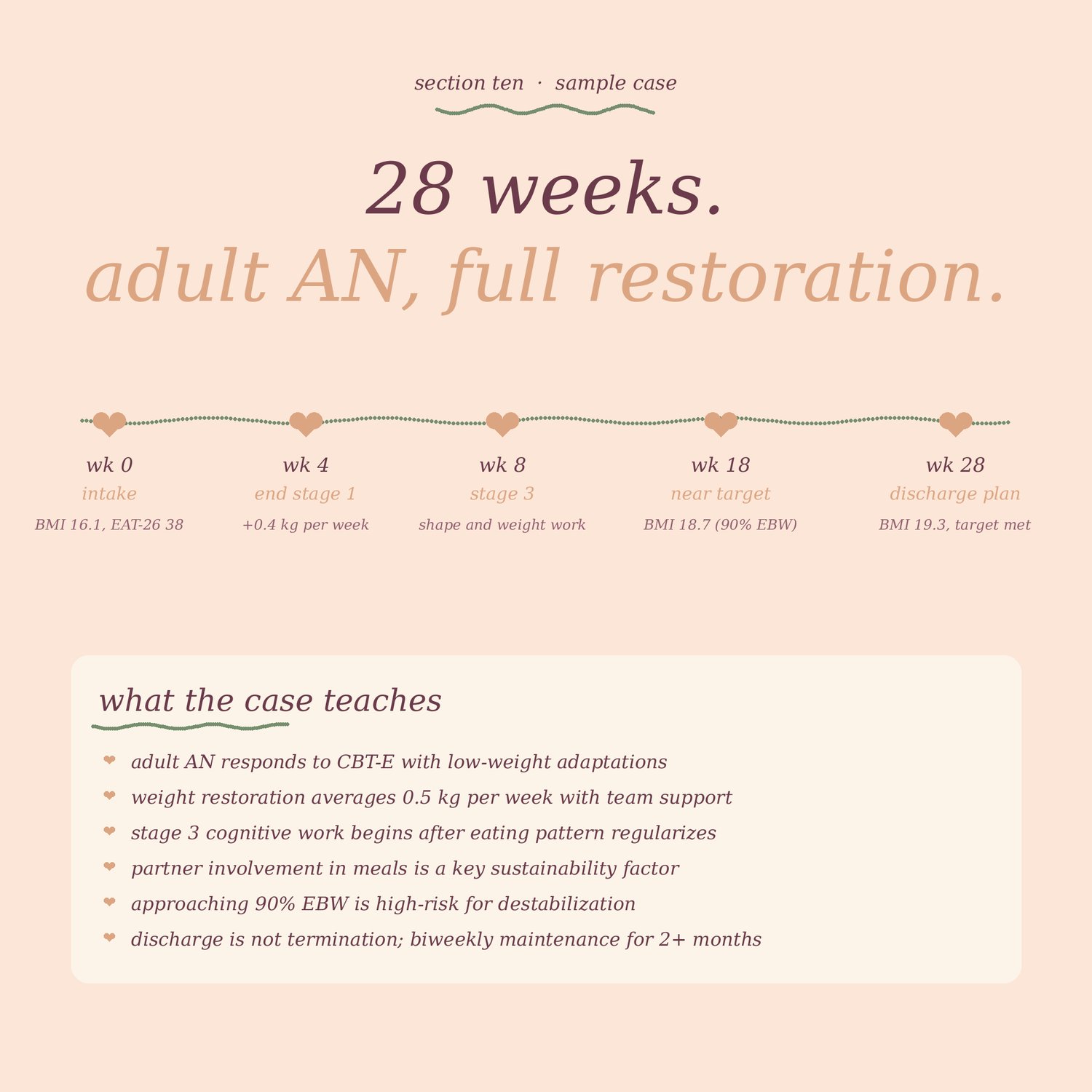
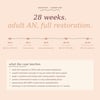
- Section 10: A sample completed adult case walked across 28 weeks with intake, end of stage 1, mid and late stage 3, and discharge sessions documented
- Section 11: Chart language library with audit-protective phrases by diagnosis written for medical-necessity payer review
- Section 12: ICD-10 eating disorder codes and coding considerations for the relevant psychotherapy, nutrition counseling and team conference codes
- Section 13: Phrase library organized by note section with drop-in level-of-care justification language
- Section 14: Three referral letter templates, for an eating-disorder-trained physician, a higher level of care, and an eating-disorder-trained dietitian
- Section 15: Crisis lines including the National Alliance for Eating Disorders, Project HEAL and 988, provider directories, the CEDS certification path and a selected reading list
Who it is for
- LCSW, LMFT, LPC, LMHC and other licensed therapists building eating disorder specialty
- iaedp-track and CEDS-certified clinicians wanting a desk reference
- Group practice owners standardizing documentation across clinicians
- College counseling center clinicians screening and triaging these presentations
- Pediatric and adolescent mental health providers using family-based treatment
- Dietitians and prescribers wanting the clinical-side reference their therapist team uses
- Supervisors training pre-licensure clinicians in the specialty
- Doctoral students rotating through eating disorder placements
Why it exists
Your client's EDE-Q global score is 4.3. They restrict to 700 calories a day, exercise 90 minutes daily, and cry when their partner asks them to eat lunch. Their primary care doctor looked at the BMI, said they were within normal range, and sent them home. You know what they have. The DSM says it too. But because the number on the scale reads normal, every insurance authorization, every medical referral and every concerned family member is going to push back on the diagnosis. Atypical anorexia is the most-missed eating disorder in adult outpatient practice, and getting the documentation right is the difference between a treatment authorization and a denied claim.
I built this toolkit for the outpatient clinician carrying eating disorder cases at a level of acuity most agencies are not equipped for. The reference resources are scattered across the AED Medical Care Standards, the Fairburn CBT-E manual, the Lock and Le Grange FBT manual, the APA Practice Guideline, and somebody's old level-of-care authorization letter. I wanted one document on the desk during sessions.
33 pages built for the outpatient clinician serving clients with anorexia nervosa, bulimia nervosa, binge eating disorder, ARFID, OSFED and atypical anorexia. Aligned with the APA Practice Guideline for Eating Disorders (2023), the Academy for Eating Disorders Medical Care Standards (fifth edition, 2023) and CBT-E (Fairburn 2008).
Why this is different
Most eating disorder references are written for residential treatment centers or for graduate training. They cover one modality at a time and assume you already have a team in place. This is built for the outpatient clinician who is the team coordinator and the only consistent presence in the client's care, often without an in-house dietitian or trained physician on speed dial.
The medical stabilization criteria matter because anorexia nervosa has the highest mortality rate of any psychiatric disorder, and the deaths come from cardiac arrhythmia and refeeding syndrome rather than psychiatric symptoms. The threshold table tells you when you cannot ethically hold a client in outpatient care no matter how good the therapy is.
The level-of-care decision tree matters because insurance authorization is its own clinical task. The sample authorization letter is structured the way reviewers expect: medical necessity tied to criteria, why a lower level is inadequate, and measurable goals tied to the higher level.
The atypical anorexia section matters because the most common error in outpatient practice is missing it in clients whose BMI reads normal. The explainer and the chart language give you documentation that supports the diagnosis and the medical referral.
The sample completed case matters because every other reference shows you isolated forms. This one walks a single adult client across 28 weeks of CBT-E with low-weight adaptations, from weight restoration through the cognitive work and discharge planning.
The multidisciplinary coordination scripts matter because this care is multidisciplinary by definition and the therapist is usually the communication hub.
Format
- Editable, fillable PDF (33 pages)
- Editable Microsoft Word (.docx, 33 pages)
- Identical content in both formats so you can fill, print or copy into your EHR
- US Letter and A4 sizes both included
- Works on Mac, Windows, iPad, GoodNotes, Notability
- Lifetime access, unlimited prints
Updated 2026
Aligned with the APA Practice Guideline for the Treatment of Patients with Eating Disorders, fourth edition (2023), the Academy for Eating Disorders Medical Care Standards fifth edition (2023), and the Fairburn CBT-E protocol. Family-based treatment content draws on the Lock and Le Grange manual, second edition. ARFID content draws on the Thomas and Eddy CBT-AR manual. Coding sections reflect 2026 documentation expectations.
A note from the designer
I am a practicing clinician carrying eating disorder cases in outpatient practice. I built this after watching colleagues take on these clients without realizing the medical complications that travel with the diagnosis, and after years piecing together my own reference from the AED standards, the Fairburn manual and supervisor consultation notes. The medical stabilization table is the one document I will not see a client without.
This is the reference I built so the next clinician picking up one of these cases does not have to choose between learning the medical side of the work and doing the clinical work.
Digital download. No physical product ships. Reach out by email if anything does not work or if you have questions.