



EMDR Documentation Toolkit (2026)
EMDR documentation templates for all eight phases of the protocol, from history-taking and preparation through desensitization, installation and reevaluation, with sample notes.
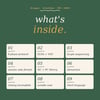
What is in the toolkit
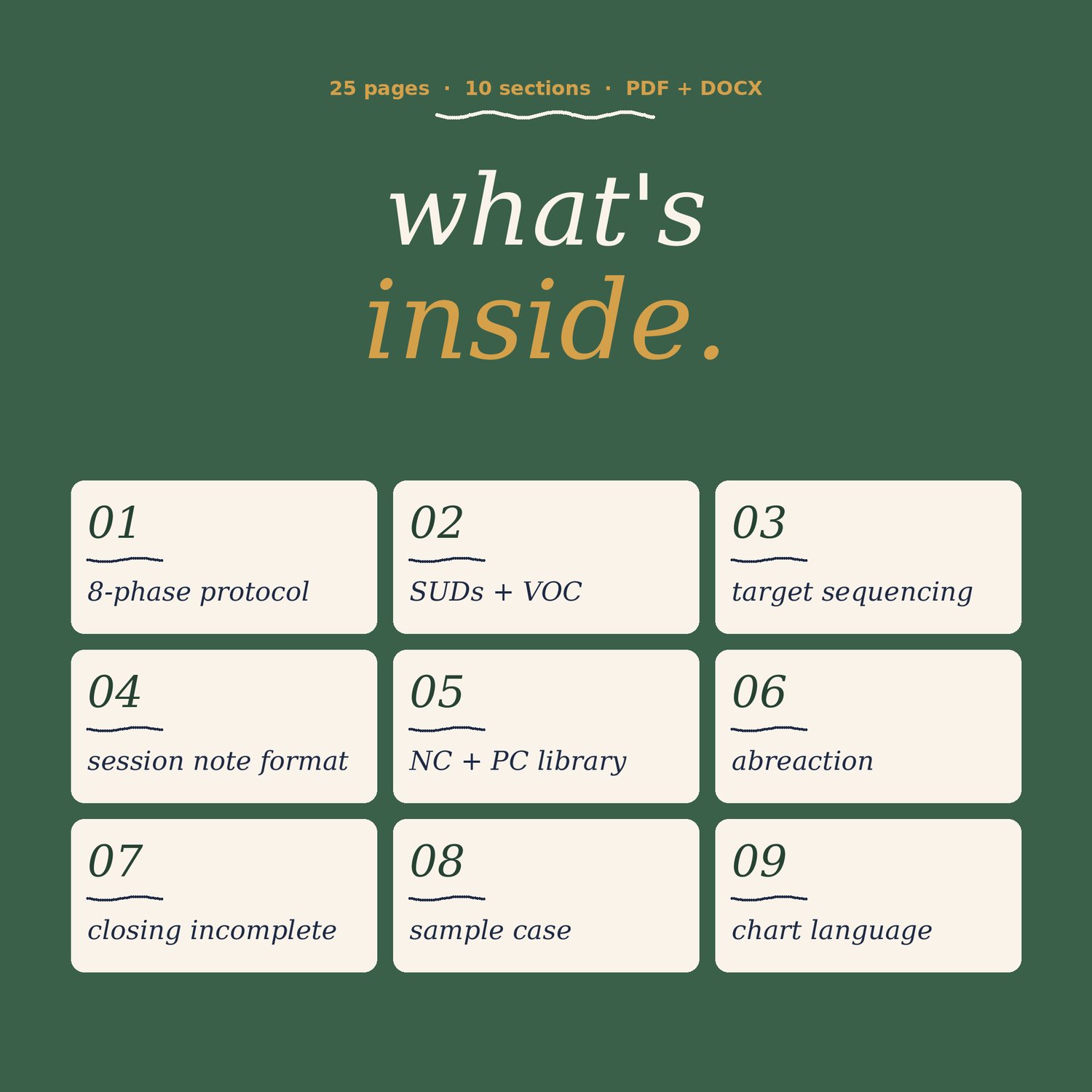
- The AIP model in 200 words: why we target memories rather than symptoms
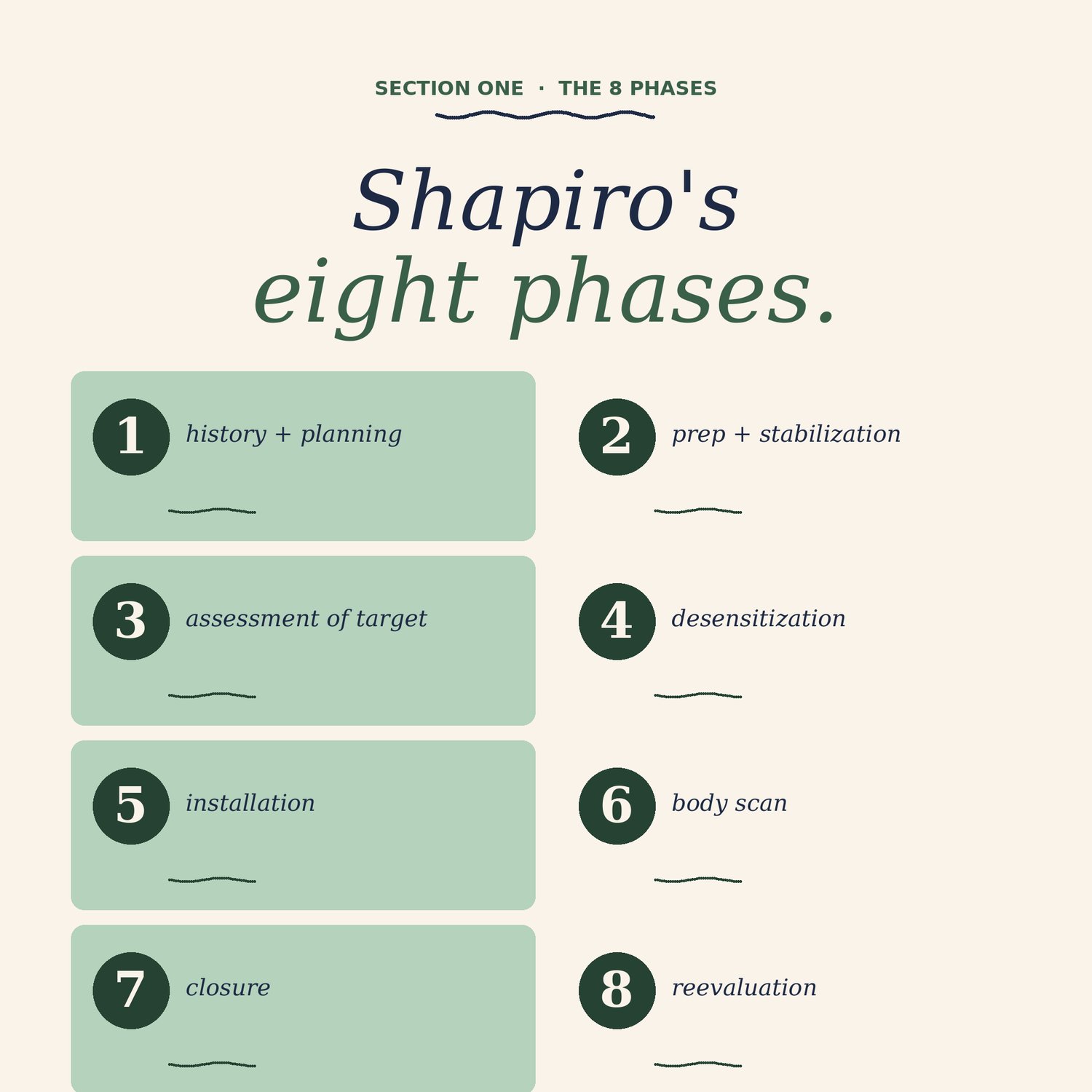
- The 8-phase protocol at a glance, each phase paired with the chart elements EMDRIA consultants look for in certification recordings
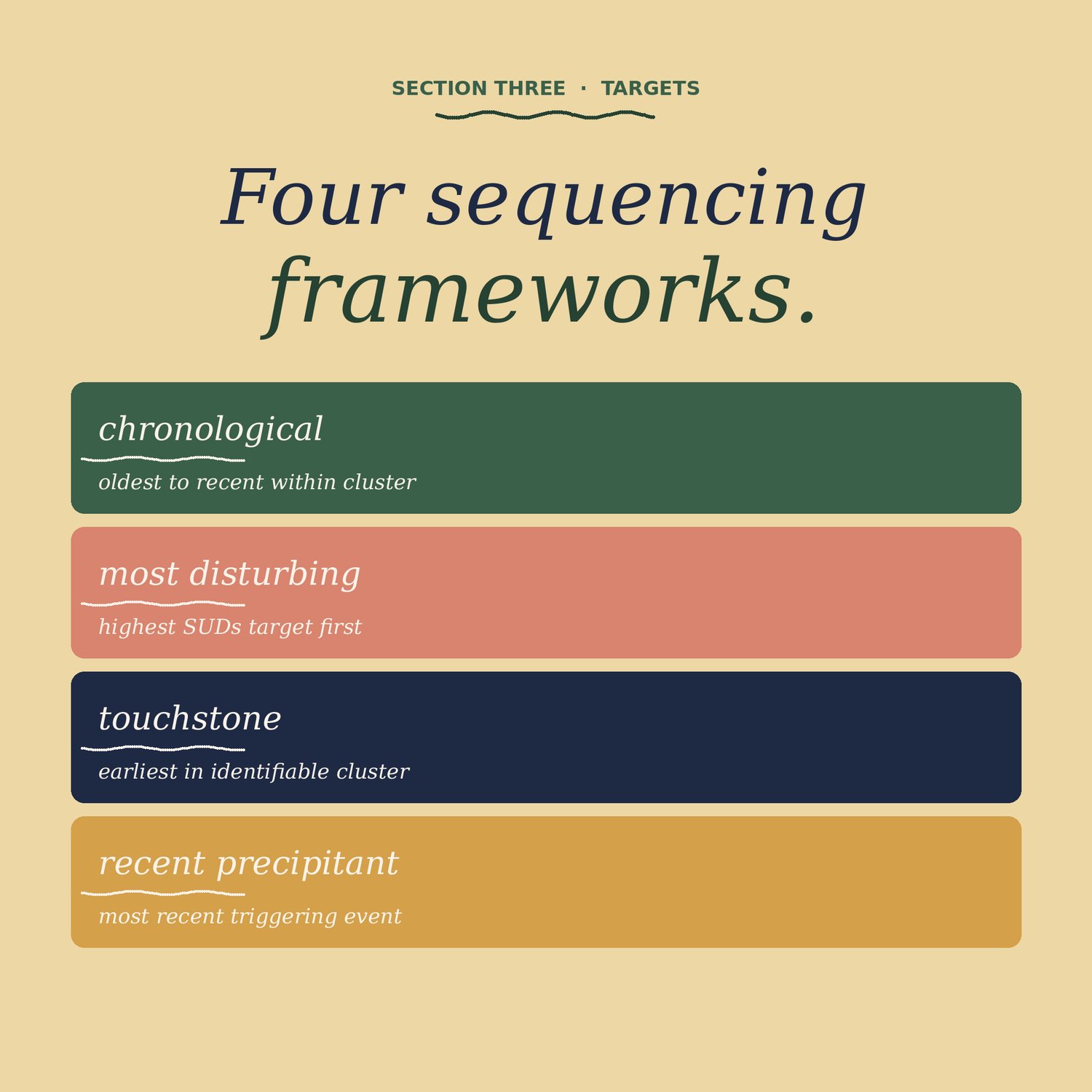
- Phase 1 history-taking and treatment planning: trauma history, DES-II, the three-pronged target list, worst-first versus cluster-by-feeder logic, and sample chart language
- Phase 2 preparation: psychoeducation script, resource development for six standard resources, a bilateral stimulation modality decision table, and the capacity check before Phase 3
- Phase 3 assessment: the eight elements in order, and the five most common Phase 3 protocol errors consultants flag
- Phase 4 desensitization: between-set interventions, channel documentation shorthand, when to redirect to target, and Floatback and Affect Scan scripts
- Phases 5, 6 and 7: installation with VOC tracking, body scan, and closure language for completed and incomplete targets
- Phase 8 reevaluation: opening every subsequent session, and what to do if SUDs has risen between sessions
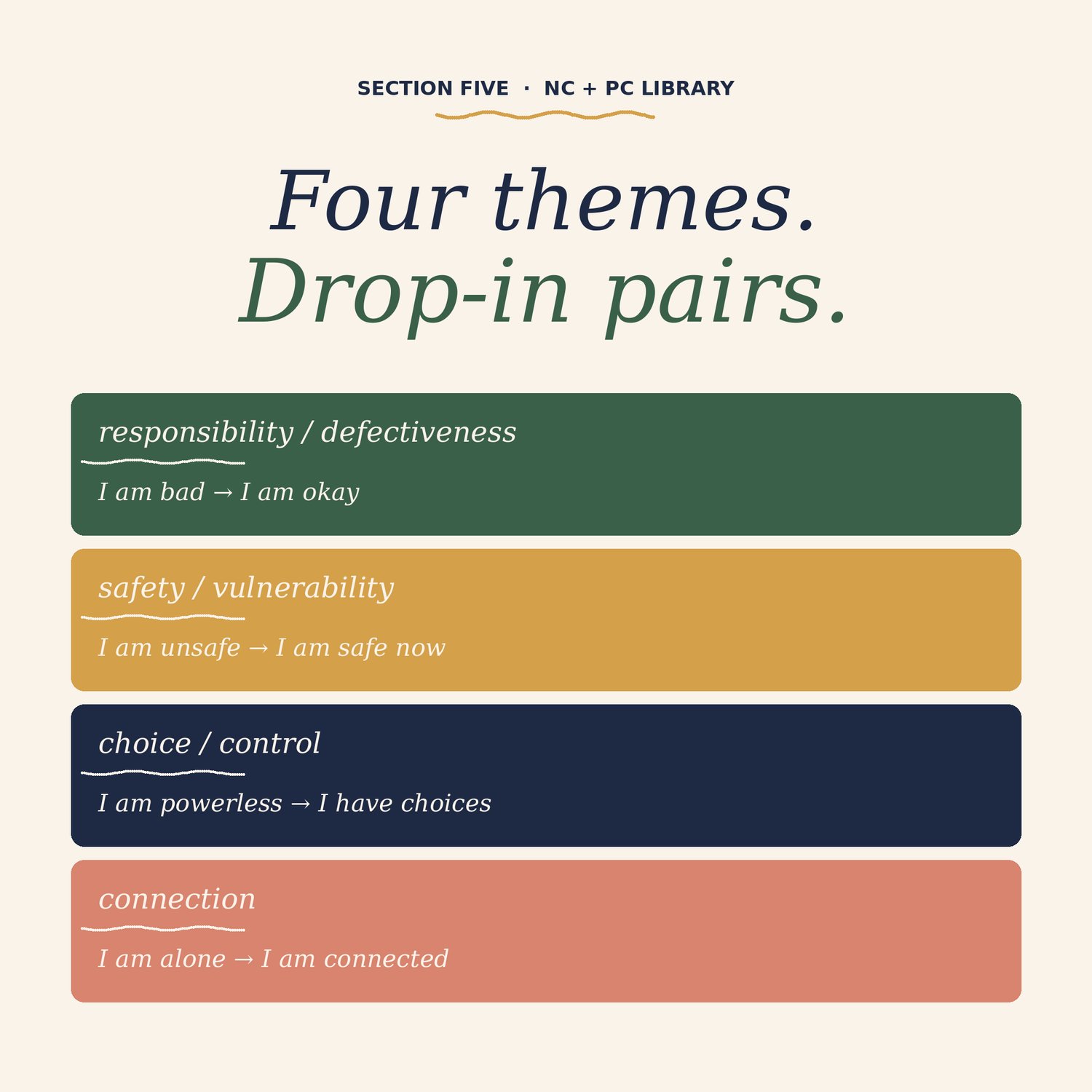
- Negative and positive cognition theme library by trauma type covering combat and military, motor vehicle accident, medical trauma, sexual assault, attachment and developmental trauma, and birth trauma, with more than 50 paired cognitions and domains
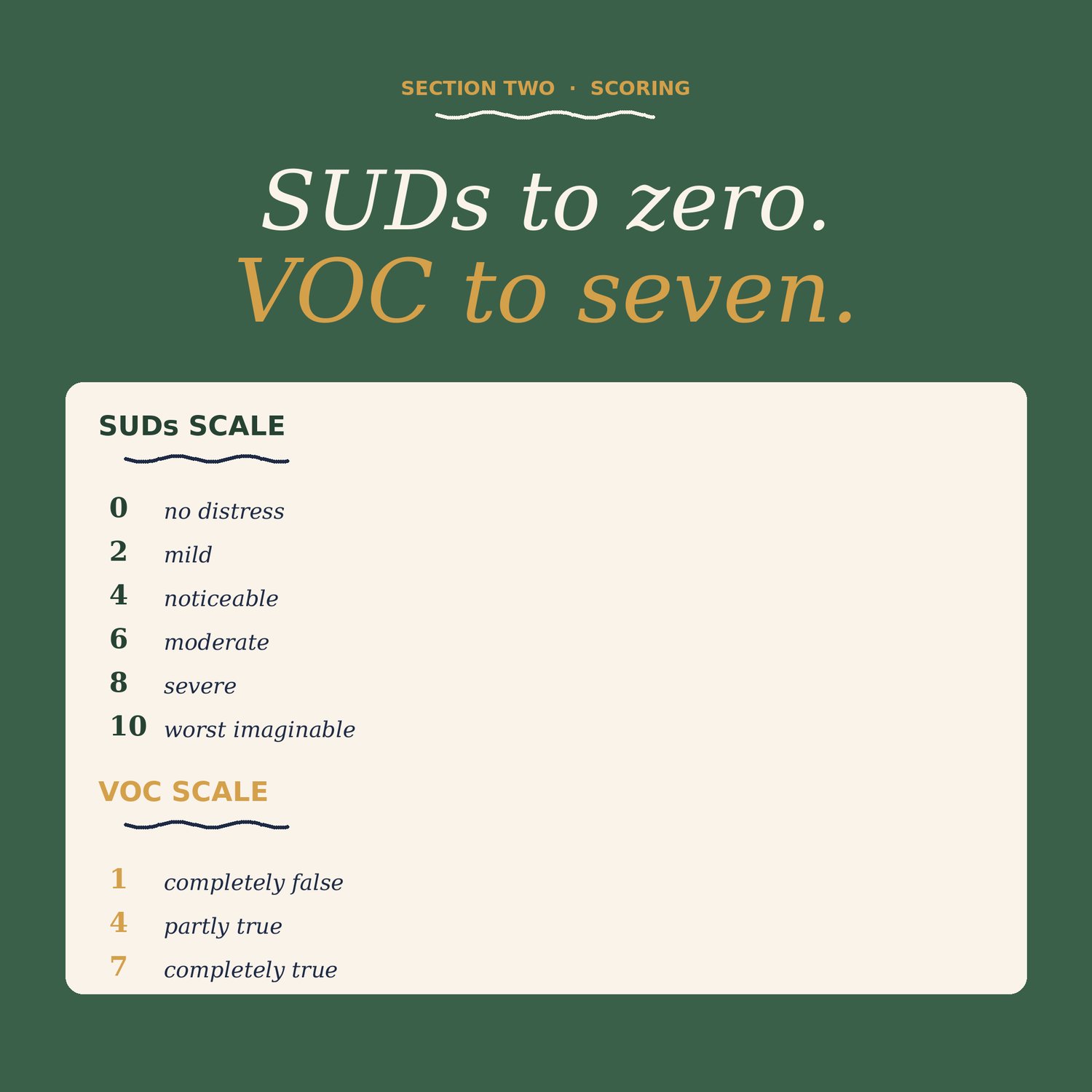
- SUDs and VOC scales with body and affect anchors at every level
- Cognitive interweave decision tree: six interweave types with branching decisions for stuck, looping, dissociating or session-ending channels
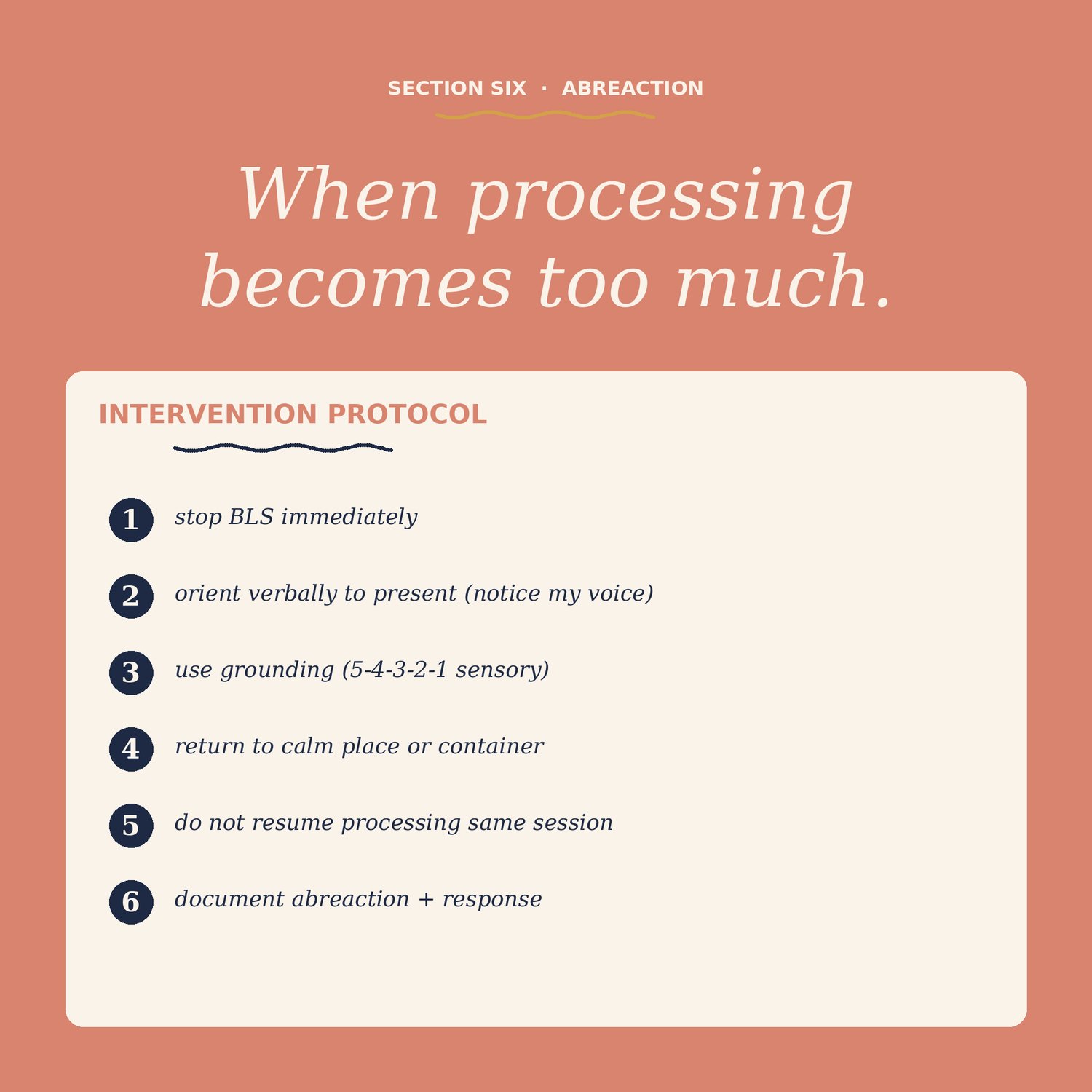
- Abreaction protocol with clinician scripts at four escalation levels, from activated and productive through full dissociation
- Modified protocol for dissociative presentations: screening, expanded Phase 2, the Back of the Head Scale, CIPOS, titrated reprocessing and parts work integration
- R-TEP, the Recent Traumatic Episode Protocol, for events within three to six months
- EMDR with children and adolescents: modifications by developmental stage and caregiver involvement guidance
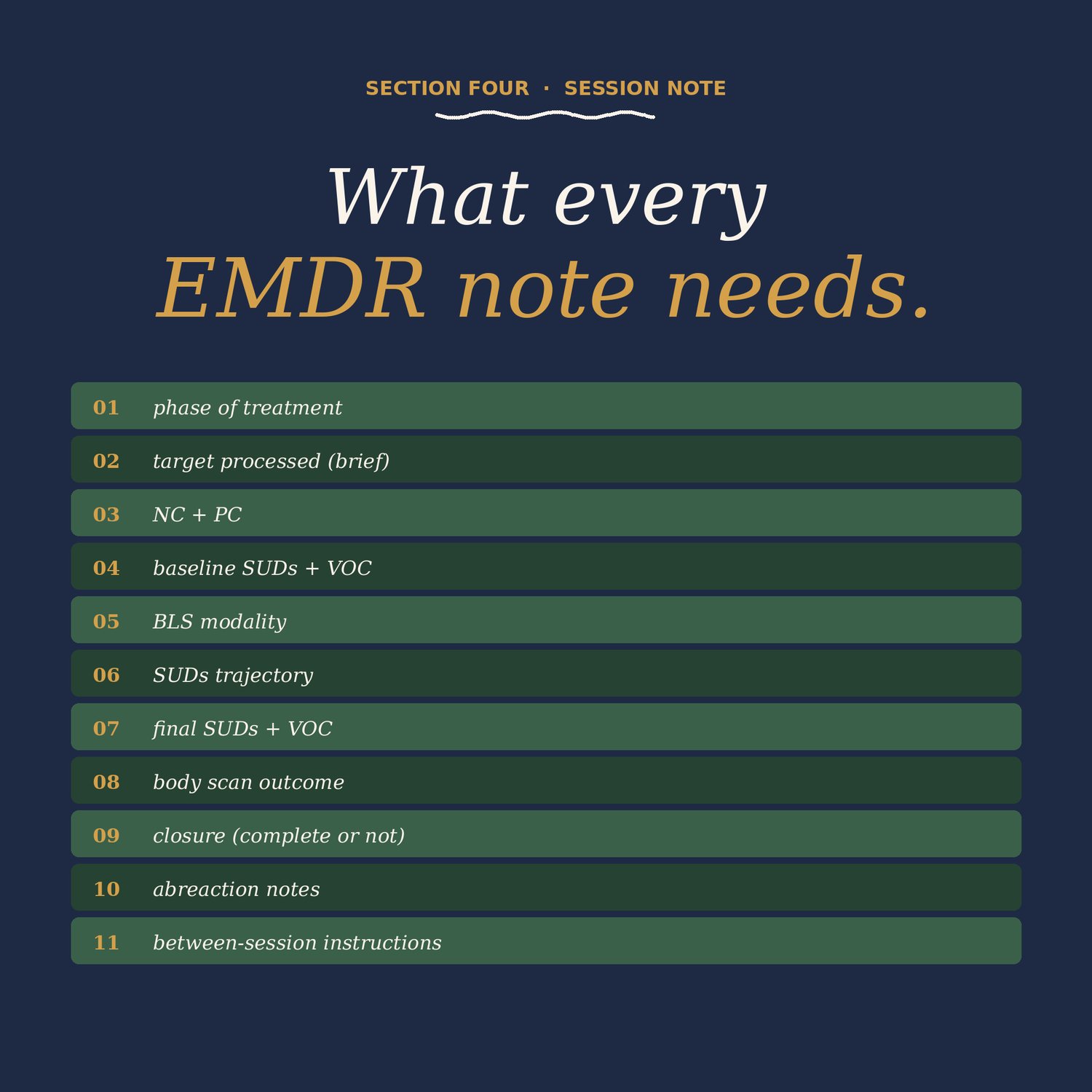
- Sample EMDR session note template mapped to standard payer and board documentation elements
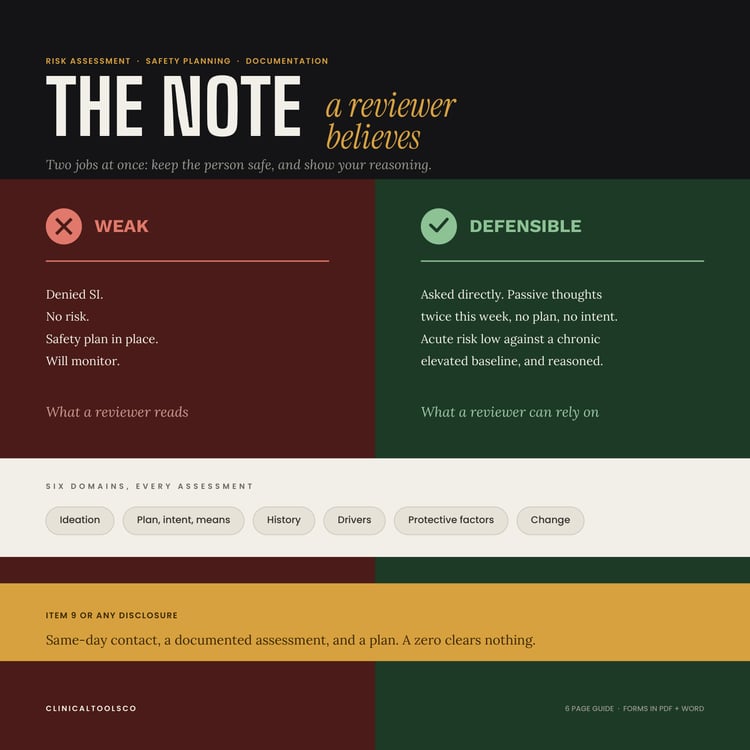
- Audit-defensible language for seven common documentation challenges including medical necessity, slow SUDs movement, dissociative episodes, premature termination and telehealth EMDR
- An EMDRIA standards compliance checklist for self-audit before certification submission
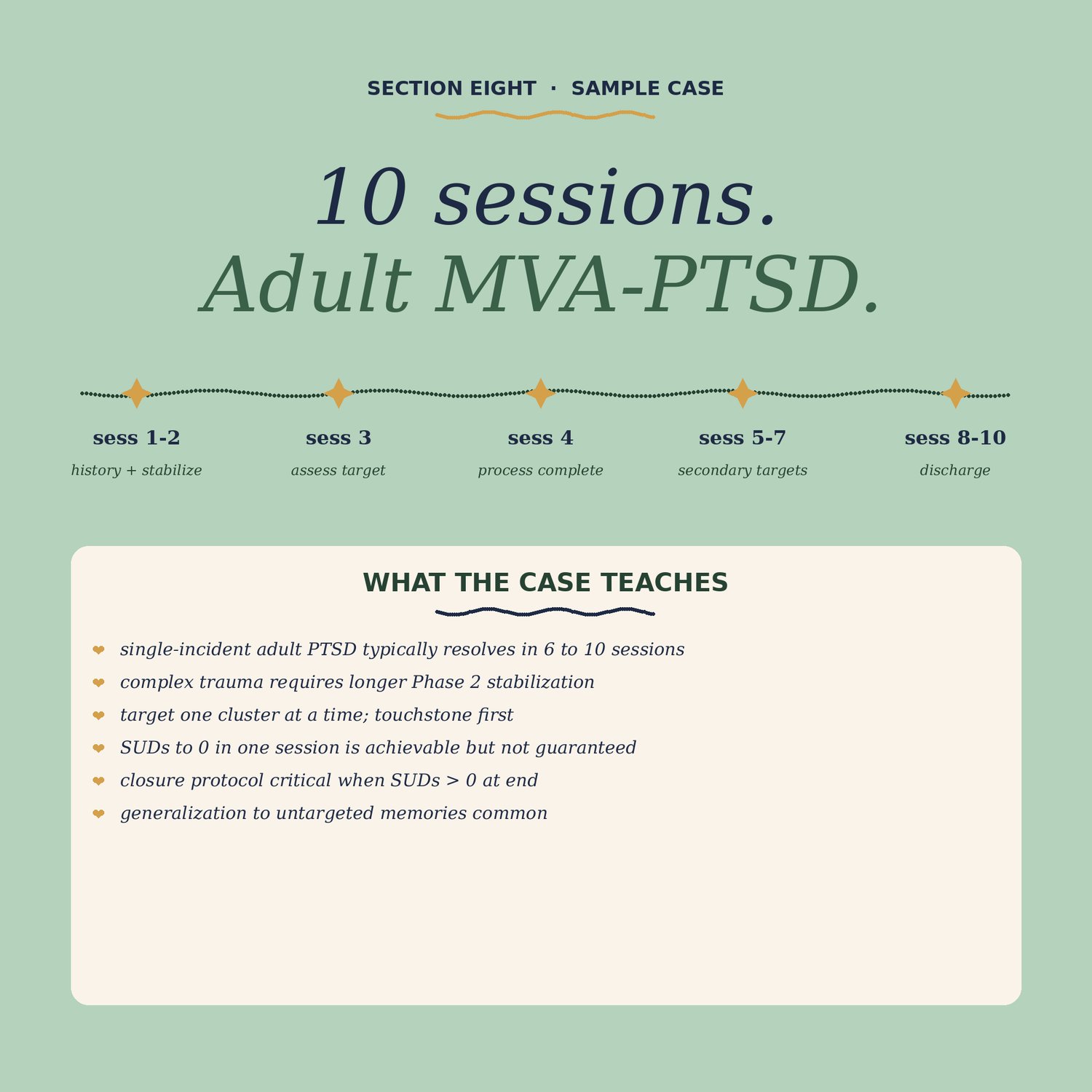
- A worked 12-session case with a synthetic composite client, weekly phase notation, SUDs and VOC trajectory, PCL-5 measurement schedule and full intake-to-closure documentation
Who it is for
- EMDRIA Basic Training graduates working their first 100 sessions
- EMDR-trained clinicians preparing for EMDRIA Certification
- EMDR-trained clinicians who want chart language that survives payer audit
- Trauma therapists adding EMDR to an existing CBT, IFS or somatic practice
- Group practice owners and EMDR consultants who want a shared documentation standard
- EMDR-trained clinicians working with dissociative, complex or pediatric presentations
- Therapists moving EMDR practice from in-person to telehealth
- Clinical supervisors of EMDR-trained associates
- This toolkit assumes you completed EMDRIA-approved Basic Training. It is a clinical reference, not training. If you are not yet EMDR-trained, complete an EMDRIA-approved Basic Training first.
Why it exists
You finished EMDRIA Basic Training six months ago and you have a client in active reprocessing. The channel went silent two sets ago. SUDs has not budged across three returns to target. You are reaching for scribbled interweave notes from consultation, a printed Shapiro chapter and chart language your EHR does not include, and the client is sitting across from you waiting. What you need is one document that tells you what to do in the next 90 seconds and what to write in the chart afterward.
This is the EMDR chart-side reference I wish I had during my first hundred sessions. Phase-by-phase documentation requirements, target identification scripts, negative and positive cognition theme libraries by trauma type, the cognitive interweave decision tree, abreaction protocols at four escalation levels, modifications for dissociative presentations, R-TEP, EMDR with children, audit-defensible chart language, and a worked 12-session motor vehicle accident PTSD case with weekly SUDs and VOC trajectory.
27 pages. Fillable PDF plus editable Word. Aligned with the EMDRIA Definition of EMDR Therapy (2024 revision), Shapiro third edition (2018), WHO 2013, ISTSS 2018, APA 2017 and NICE NG116 (reviewed 2024). More than 30 references including meta-analyses through 2025.
Why this is different
Most EMDR reference materials are training handouts, a book chapter or scattered consultation notes. There is no single chart-side document that pairs the phase protocol with the cognition library, the interweave tree, the abreaction script and the audit-defensible chart language. This toolkit puts those in one place, organized by what the clinician actually does in the room.
The interweave decision tree matters because the post-Basic-Training clinician knows the six interweave types but freezes on when to use which. The tree branches by what the channel is doing and gives the smallest possible intervention to restart processing.
The abreaction protocol matters because a level 2 abreaction is the work and a level 4 dissociation is destabilization. Knowing which you are watching, with the script ready, is what separates a session that processes from a session that retraumatizes.
The cognition library matters because the right cognition for combat trauma is not the right cognition for attachment trauma. The library is organized by trauma category so the right domain is one column away.
The audit-defensible language section matters because every EMDR clinician encounters payer scrutiny on the same seven situations, and the chart language that satisfies an auditor is specific.
The worked 12-session case matters because seeing one full arc, from an intake PCL-5 of 54 to a closure PCL-5 of 16, with a feeder memory surfacing mid-treatment and abreaction managed in session 7, is the closest thing to consultation a printed document can give you.
Format
- Editable, fillable PDF (27 pages)
- Editable Microsoft Word (.docx, 27 pages)
- Session note template copies directly into EHR text fields
- US Letter and A4 sizes both included
- Works on Mac, Windows, iPad, GoodNotes, Notability
- Lifetime access, unlimited prints
Updated 2026
Aligned with the EMDRIA Definition of EMDR Therapy (2024 revision) and EMDRIA 8-phase protocol references. Treatment guideline citations reflect WHO 2013, ISTSS 2018, APA 2017 and NICE NG116. Meta-analytic citations updated through 2025. DSM-5-TR and ICD-11 codes current. CPT codes reflect the 2026 schedule.
A note from the designer
I am a practicing clinician with EMDR training and consultation experience. I built this after losing too many minutes mid-session searching for the right interweave language, after writing too many chart notes that did not survive payer review, and after watching peers reproduce the same five Phase 3 errors I made in my first year. The section I refer back to most is the abreaction protocol, because the level 3 to level 4 distinction is the call you cannot get wrong.
EMDR is a precise protocol. Documentation that matches the precision is what separates the EMDR clinician referring providers trust from the one they do not.
Digital download. No physical product ships. Reach out by email if anything does not work or if you have questions.