



Play Therapy Toolkit (2026)
A play therapy toolkit: foundations, a parent intake, session notes in five variants, parent consultation scripts, sand tray prompts and play theme tracking.
What is in the bundle
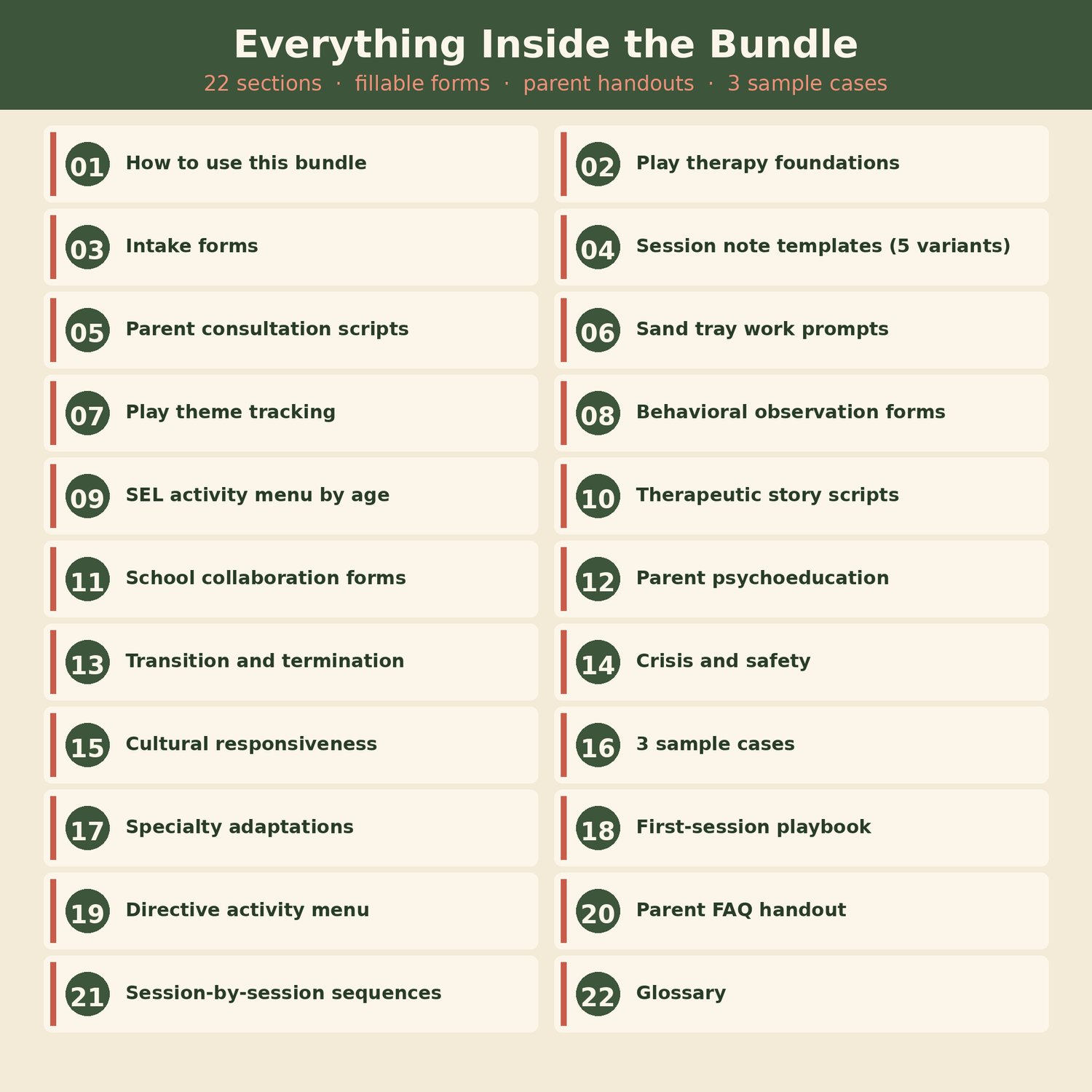
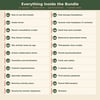
- Section 1: How to use this bundle. Suggested tools by treatment phase, who each page is for, formats, fillable fields and ground rules
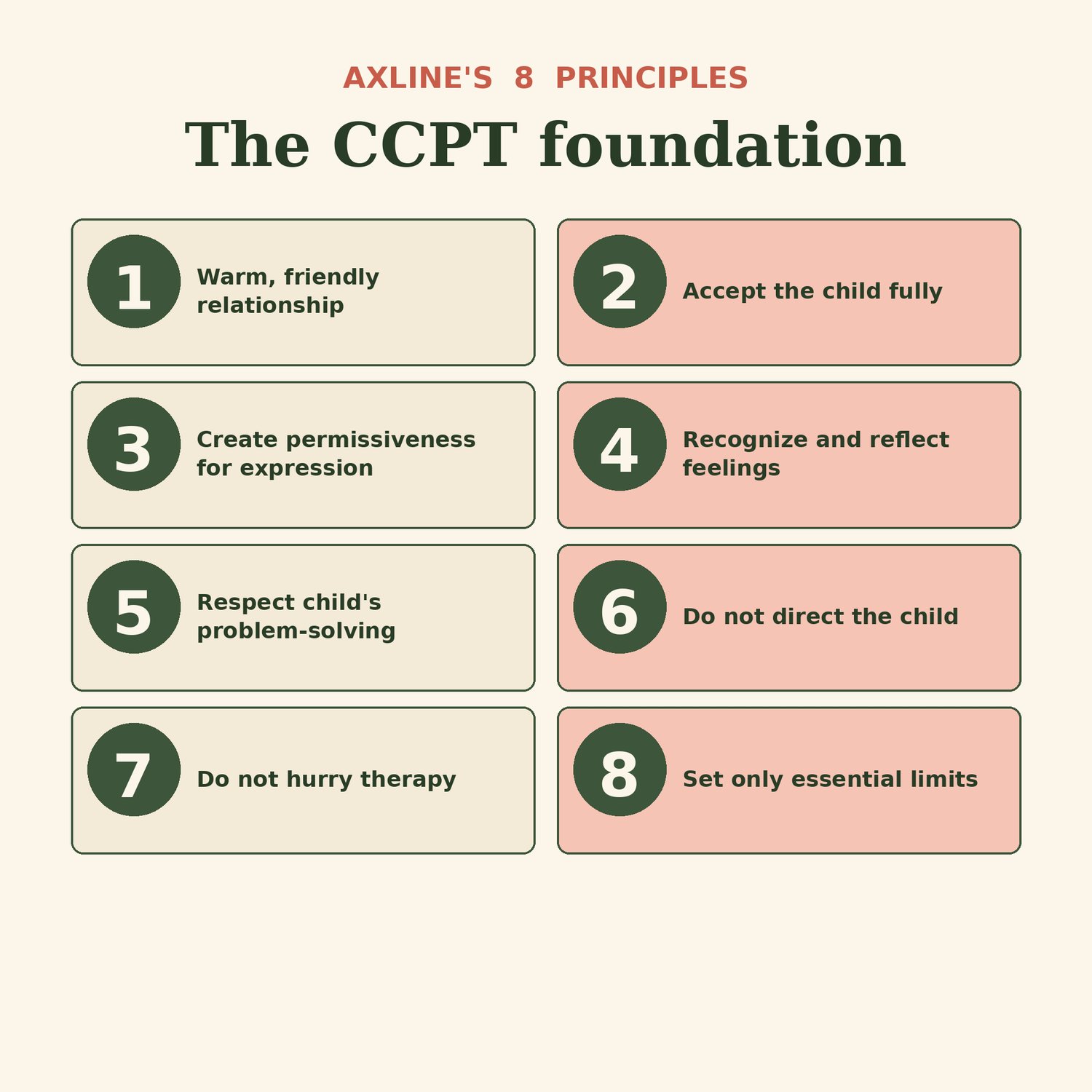
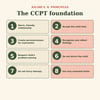
- Section 2: Play therapy foundations. The CCPT theoretical anchor (Axline, Landreth), Axline's eight basic principles in short form, Landreth's first-session opening with the limits of privacy added, core CCPT responses, therapeutic limit setting, age targets, directive and integrative models (cognitive-behavioral play therapy, filial therapy and CPRT, Theraplay-informed work), and presenting concerns where play therapy fits
- Section 3: Intake forms. Four-page parent intake, caregiver-completed developmental history, a two-page child intake for ages 6 and up, a play-based observation for ages 3 to 5, and a consent and custody check to run before the first child session
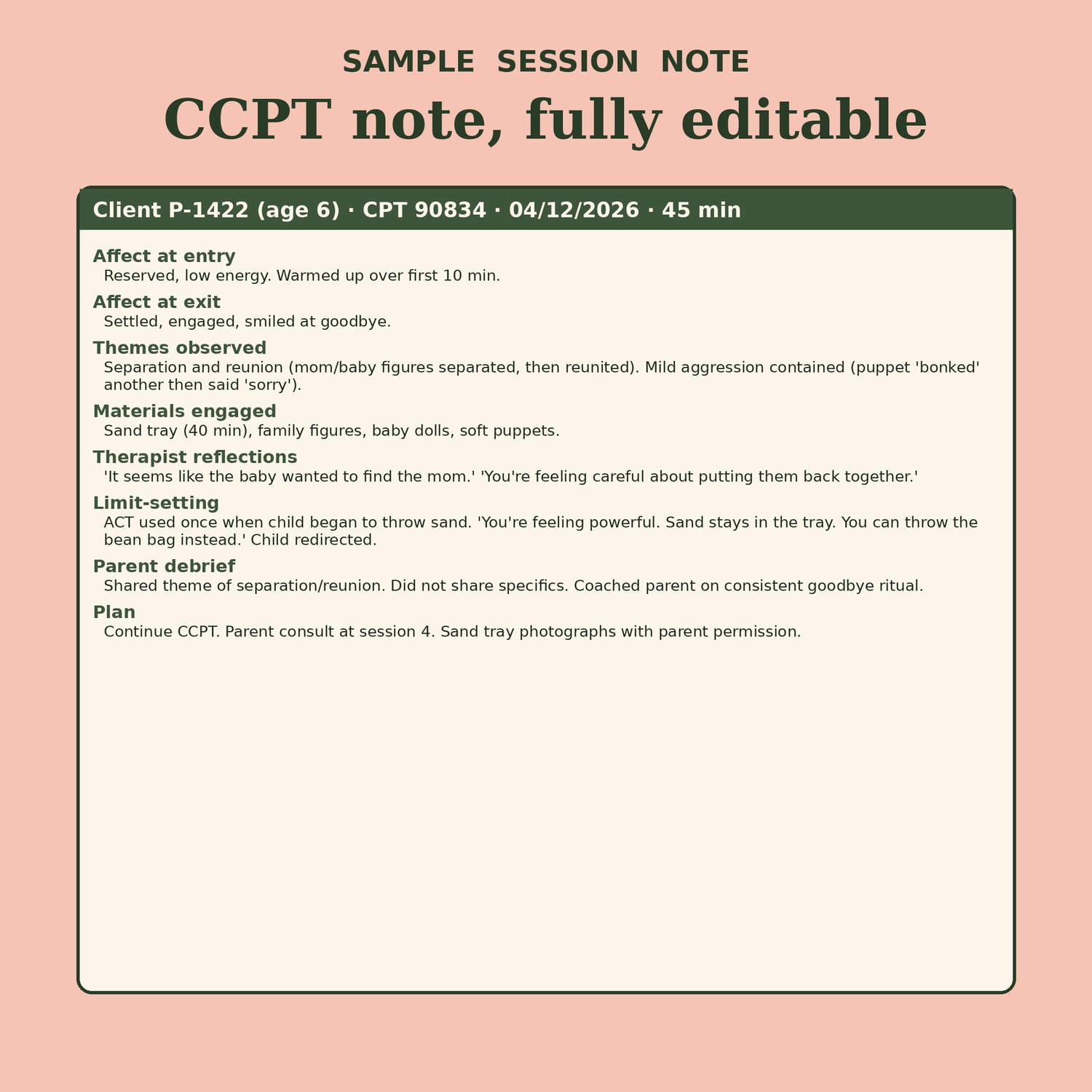
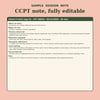
- Section 4: Session note templates (5 variants). CCPT, directive, family, group and conjoint child-parent notes, each with fields for play themes, behavioral observations, safety and parent communication, plus common play therapy CPT codes and documentation principles
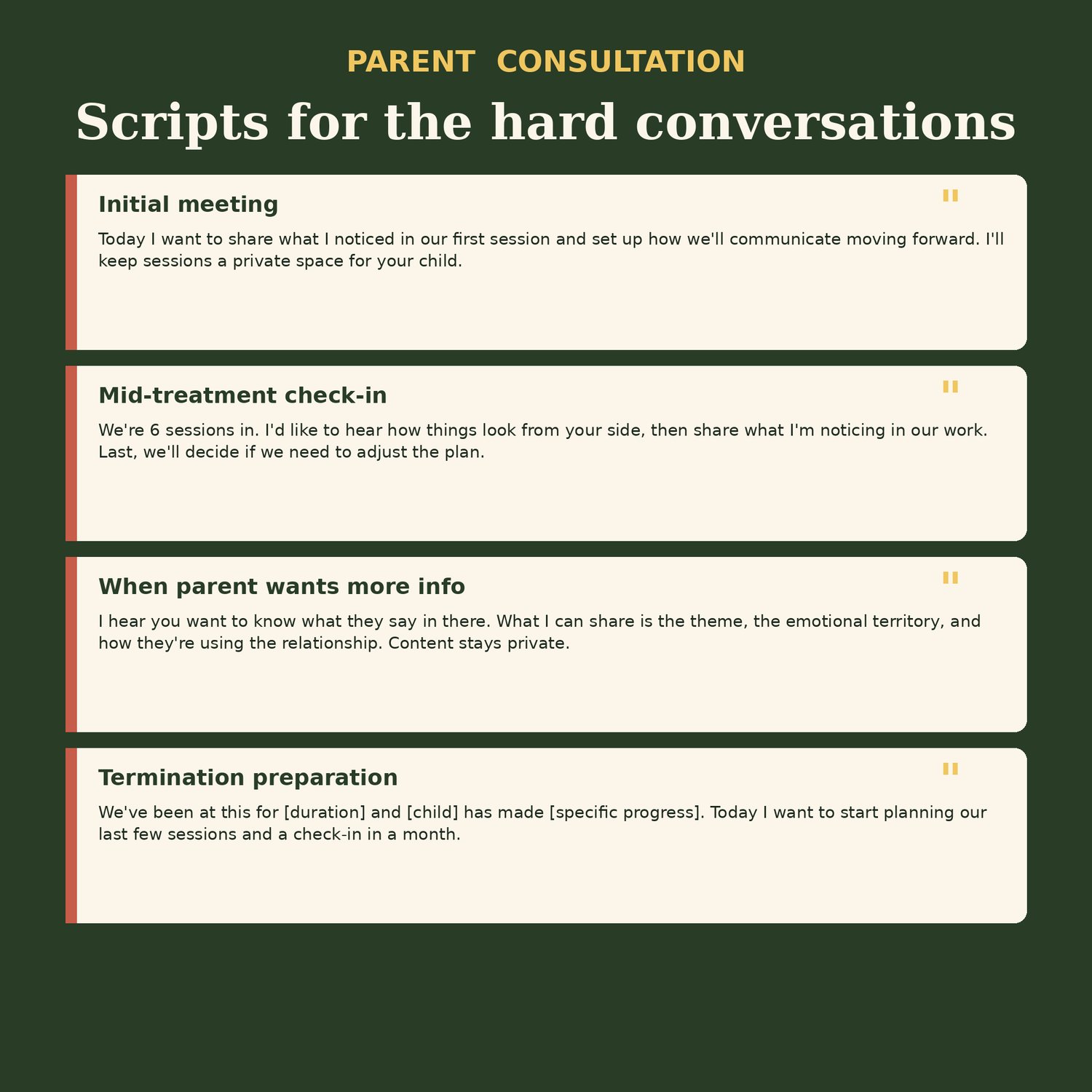
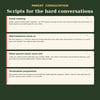
- Section 5: Parent consultation scripts. Initial consultation, mid-treatment update, wording for hard moments, caregiver coaching and the ending conversation, and a parent consultation record
- Section 6: Sand tray work prompts. Setup checklist, opening prompts by age, what to do after the build, themes to notice, and a sand tray observation record
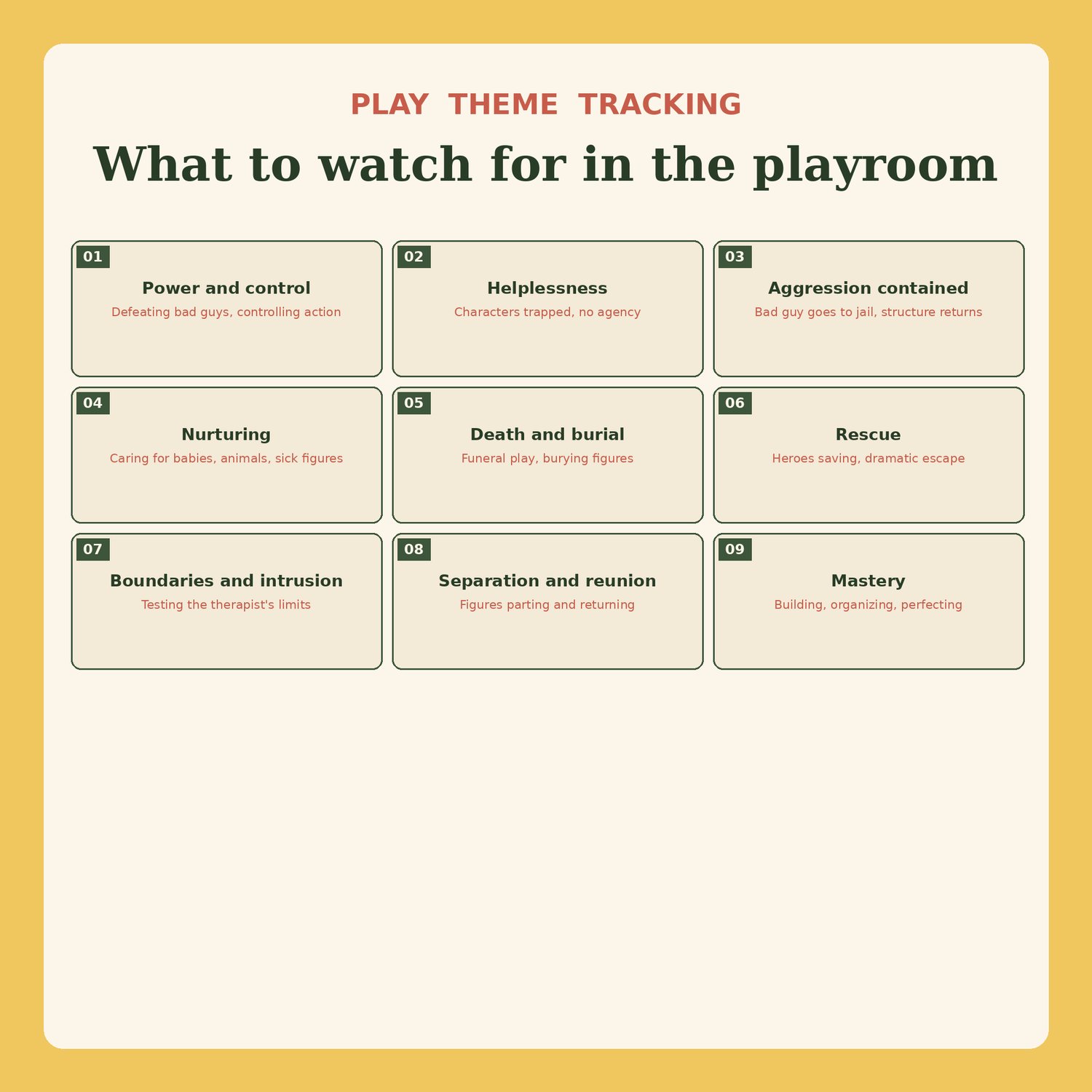
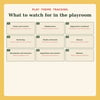
- Section 7: Play theme tracking. Common play themes, a theme log across sessions, what to do when themes intensify or shift, an interpretation aid for telling posttraumatic play from typical play, and progress-toward-resolution indicators
- Section 8: Behavioral observation forms. Free play, structured task and dyadic parent-child observation forms, with guidance on writing observations another clinician could check and typical play by age
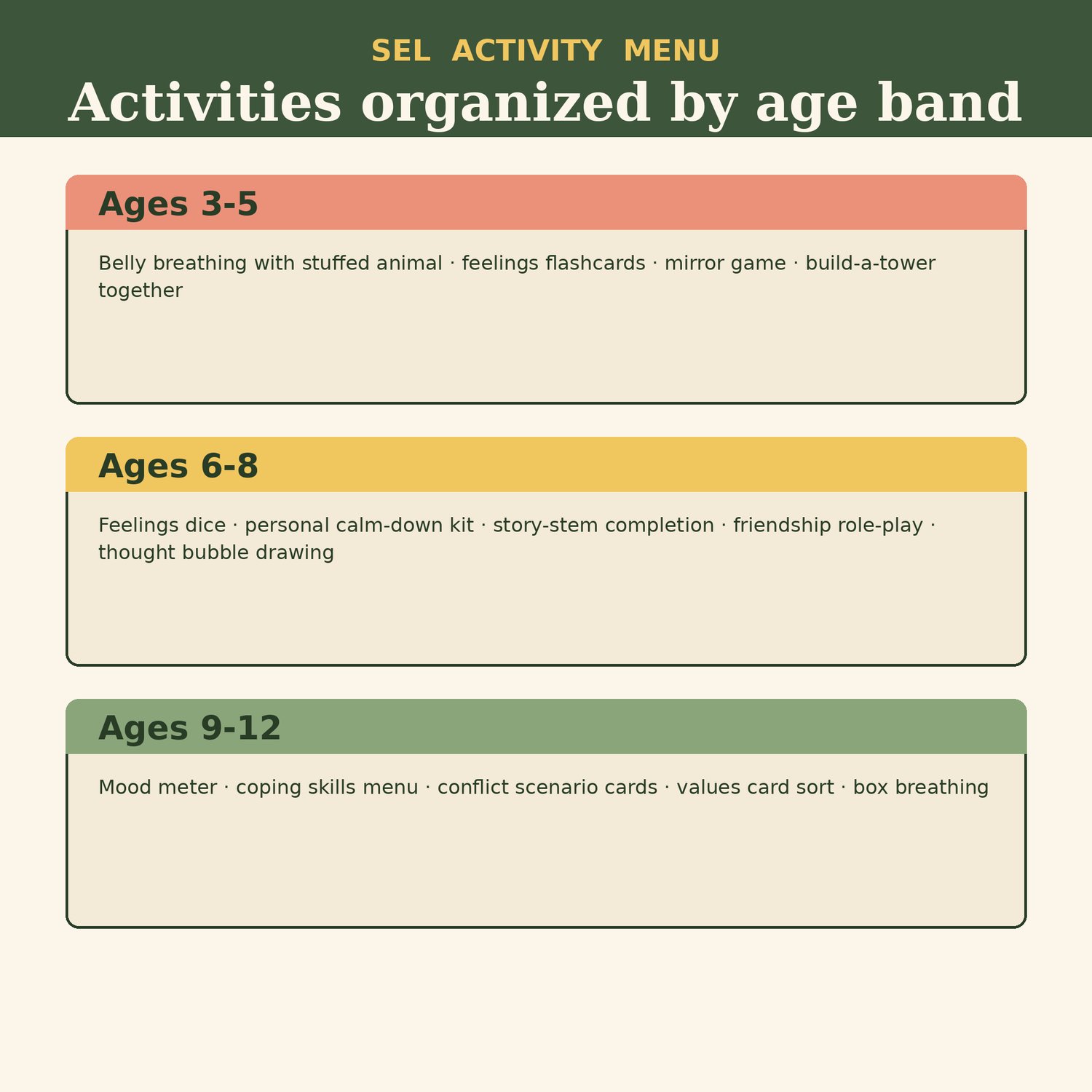
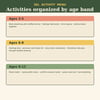
- Section 9: SEL activity menu by age. Activities for ages 3 to 5, 6 to 8 and 9 to 12 covering emotion identification, self-regulation, perspective-taking and social problem-solving, quick activities for any age, and an activity plan template
- Section 10: Therapeutic story scripts. Nine original short stories to read aloud and adapt: a death in the family, pet loss, medical fear, school fear, separation, anger, divorce, a new sibling and a blended family
- Section 11: School collaboration forms. School release of information, teacher consultation form, IEP or 504 input letter, and school observation request
- Section 12: Parent psychoeducation handouts. What is play therapy, what to expect, how to talk to your child about therapy, how to help at home, and when to call; one page each, in plain language at a sixth-grade reading level or below
- Section 13: Transition and termination. Signs that ending is appropriate, an ending countdown, what to do when a caregiver ends therapy suddenly, closure rituals, a certificate, a transition plan, a termination letter to the caregiver and a termination note to the school
- Section 14: Crisis and safety in play therapy. Suicide and self-harm risk screening by age with wording for asking, a safety plan built for elementary-age children and their caregivers, the mandated reporting flow, what to say when a child tells, an abuse disclosure documentation form, and guidance for when play raises a concern
- Section 15: Cultural responsiveness. Adaptations by family context, a check to run before you use any worksheet, LGBTQ+ and immigrant families, and a playroom materials check
- Section 16: Three sample cases. Fully worked divorce, trauma and selective mutism (social anxiety) cases, each with the intake summary and treatment plan, the first three session notes, the completed play theme log, the mid-treatment parent consultation and the termination summary
- Section 17: Specialty adaptations. Autism-affirming, ADHD, anxiety and selective mutism, OCD and trauma-focused adaptations, and when to refer out or step up care
- Section 18: First-session playbook. Before the session, a 50-minute first-session structure, opening statements by age, an assent conversation, the caregiver debrief, and what to do if the child won't separate
- Section 19: Directive activity menu. Starter activities by target (feelings vocabulary, trauma narrative, grief, anger, anxiety, family change) plus gestalt play therapy techniques
- Section 20: Parent FAQ. Plain-language answers to the questions parents ask most, to hand out with the intake papers
- Section 21: Session-by-session example sequences. Separation anxiety (12 sessions), a parent's mental illness (16 sessions) and grief (14 sessions)
- Section 22: Glossary
Who it is for
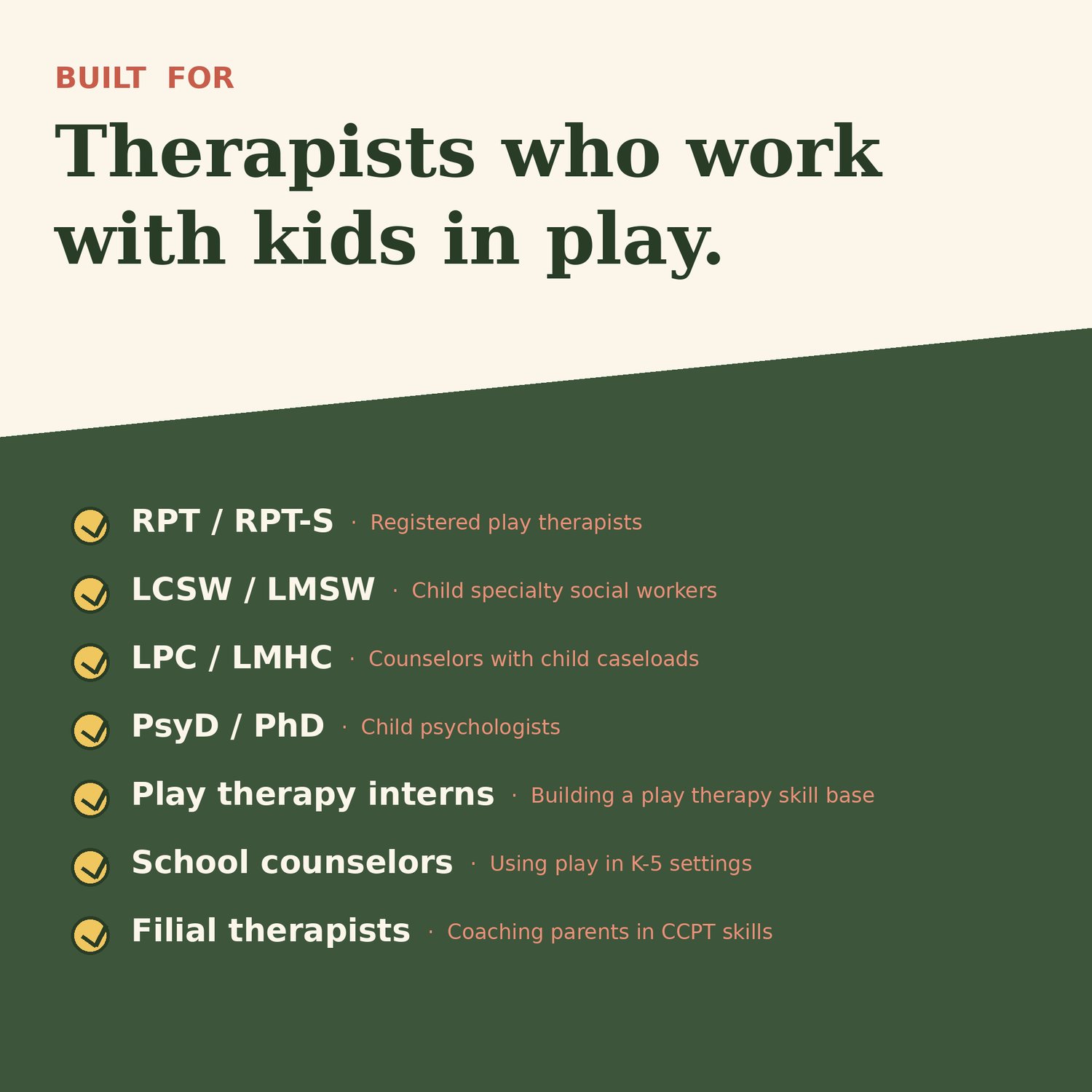
- Licensed psychologists (PhD, PsyD) delivering play therapy in outpatient practice
- Licensed clinical social workers (LCSW, LICSW) serving children and families
- Licensed marriage and family therapists (LMFT) and licensed mental health counselors (LMHC, LPC) doing play therapy or planning to add it as a service line
- Registered Play Therapists (RPT, RPT-S) and clinicians training toward APT registration
- School counselors and school psychologists using play therapy modalities in school-based work
- Postdoctoral fellows and early-career clinicians building a child practice
- Clinical supervisors teaching play therapy methodology to trainees
- Group practice owners building a child therapy service line with multiple clinicians
Why it exists
A 6-year-old shows up to your office on a Tuesday after school carrying a stuffed dog she calls Pepper and a backpack with two snack pouches her dad packed because he is nervous about her sitting still for 45 minutes. The parent intake mentions a custody change in March and a school report of "withdrawn behavior at recess." You have 30 minutes of office prep before she arrives. You need a parent intake form already completed, a child intake you can deliver through play instead of asking direct questions, a CCPT session note template that fits the non-interpretive stance, a play theme tracking sheet so you can document the recurring tiger-and-cage scene she enacts every visit, a parent consultation script for the mid-treatment update her father is asking about, and a school collaboration form for the IEP meeting in March. Most "play therapy worksheets" on Etsy are cute coloring pages with no clinical scaffolding. This bundle is the operational toolkit a CCPT-trained therapist actually uses across a case, from the first call to the last session.
I built this after seven years of CCPT practice with kids aged 3 to 12 and one frustrating week early in my career when I had to write a 4-page progress note from scratch for a custody-related court referral because my generic SOAP template did not have a place for play themes or behavioral observations. This is the toolkit that ended the scratch-writing.
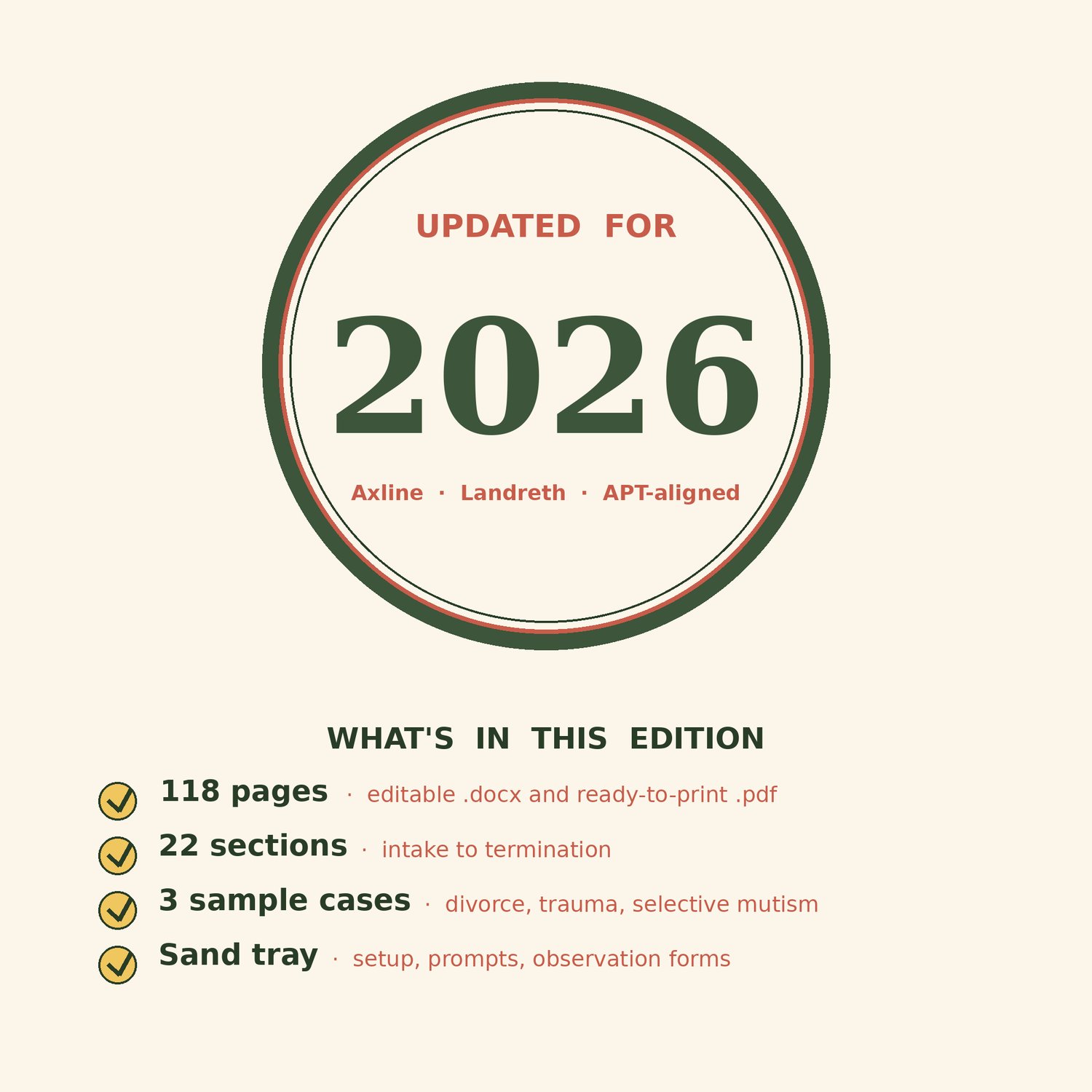
118 pages in 22 sections (plus cover), written for the licensed child therapist (LMFT, LCSW, LPC, psychologist) trained in or training toward Child-Centered Play Therapy or a directive play therapy model. Every form has fillable fields in the PDF (732 in all), so you can type on screen or print and write by hand.
Why this is different
Most play therapy resources on the market are either coloring activities marketed at parents or generic SEL workbooks. This bundle is clinician-facing operations: intake forms, five session note variants, parent consultation scripts, school collaboration forms, and documentation built to record what you saw and heard in words another professional can follow.
The five session note variants matter because one note template cannot hold the work. The CCPT note has to stay non-interpretive in the moment, the directive note has to capture structured intervention, the family note has to handle two or three voices, the group note has to track each child and name other members by initials only, and the conjoint note has to handle child-and-parent dynamics. The bundle includes the variant for each context.
The parent consultation scripts matter because the parent meeting is the most clinically demanding 30 minutes in a play therapy week. Parents arrive worried, looking for evidence of progress, and often expecting interpretation the play therapist cannot ethically provide in CCPT. The scripts give you the language for orientation, mid-treatment progress framing, hard moments and the ending.
The play theme tracking sheet matters because recurring themes are the operational signal of progress in CCPT and most note templates have no place to capture them. The tracking sheet lets you watch the tiger-and-cage scene resolve into a tiger-out-of-cage scene over 12 weeks; the interpretation aid helps you tell posttraumatic play from typical developmental play.
The school collaboration forms matter because most play therapy cases involve school. The bundle includes the release of information, the teacher consultation form, the IEP or 504 input letter and the school observation request, all set up to share what helps the child at school while keeping session content private.
The crisis and safety chapter matters because most generic risk screens are written for adults and overwhelm elementary-age children. The chapter includes risk screening by age, a child-sized safety plan, the documentation form for abuse disclosure, and the mandated-reporting flow with specific wording for what to say to the child during and after the report.
Format
- Fillable PDF, 118 pages plus cover, with 732 fillable fields
- US Letter (8.5 x 11) and A4 (8.3 x 11.7) PDFs both included
- Editable Microsoft Word (.docx) version of the full bundle
- Warm, child-friendly color choices (not clinical white-only pages)
- Parent handouts in plain language at a sixth-grade reading level or below
- Works on Mac, Windows, iPad, GoodNotes, Notability
- Print at home or office, or complete on screen
- Lifetime access, unlimited prints
Updated 2026
The bundle reflects Child-Centered Play Therapy as developed by Virginia Axline and elaborated by Garry Landreth, with room for directive and integrative models (cognitive-behavioral play therapy, filial therapy and CPRT, Theraplay-informed work, gestalt play therapy). The session note templates reflect current documentation practice for child clinicians in outpatient and school-based settings. The bundle supports trained play therapists and does not replace play therapy training (APT registration or supervision toward registration), licensure-specific scope of practice, or clinical supervision.
How to use it
Send the parent intake from Section 3 before the first appointment and give parents the Section 20 FAQ with it. Complete the developmental history with the caregiver at the intake visit, and run the consent and custody check before the first child session. Use the Section 18 first-session playbook and the Section 3 child intake for your age group in the first child session. Pick the session note variant from Section 4 that fits the modality you are delivering. Start the Section 7 play theme log from session 2 and update it each session. Bring in Section 6 sand tray prompts if the child is drawn to the tray. Run the Section 5 mid-treatment parent consultation around session 8 to 10. Use Section 11 school collaboration forms when school is part of the picture. Hand parents the Section 12 handouts they need. Run a Section 13 closure ritual at the final session. Read Section 15 before using any worksheet with a family, and Section 17 when the presentation calls for an adapted approach. Use the Section 16 sample cases and Section 21 sequences to recalibrate when you are early-career or supervising a trainee.
A note from the designer
I am a practicing child therapist with formal play therapy training and roughly seven years of CCPT-primary practice with kids aged 3 to 12 across trauma, divorce, social anxiety, attachment, and neurodivergent presentations. I built this after the custody-related court referral week early in my career when I sat at my desk on a Saturday writing a 4-page progress note from scratch because my generic adult SOAP template had no place for play themes or behavioral observations. Section 4 (the five session note variants) is the chapter I use every week. Section 5 (the parent consultation scripts) is what I share with every supervisee before their first parent meeting. Section 11 (the school collaboration forms) is what I print and bring to every IEP I attend. Section 16 (the three sample completed cases) is what I share with every new supervisee in their first month so they can see what completed child therapy documentation looks like.
This is the working play therapy toolkit for a child practice, not a substitute for play therapy training, APT registration, or licensure-specific scope of practice.
Digital download. No physical product ships. Reach out by email if anything does not work or if you have questions.