


Psychology Dissertation Planner (2026)
A 24 month psychology dissertation planner with deliverables for each phase: topic selection, literature review, proposal writing, IRB and ethics, data collection, and on to the defense.
What is in the planner
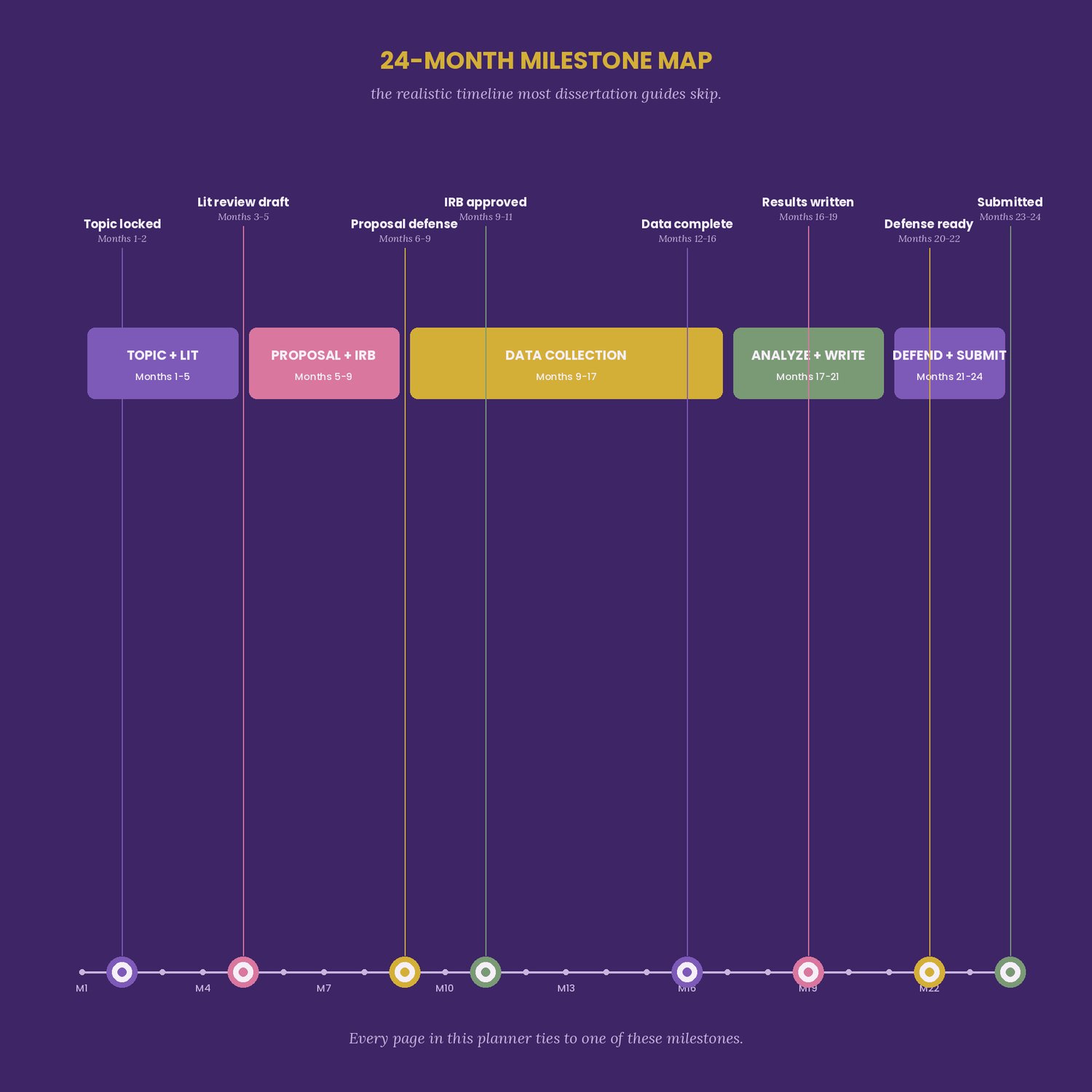
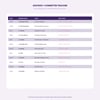
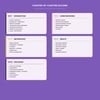
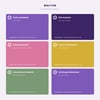
- A 24 month timeline with deliverables and weekly hour targets, an eight milestone tracker from topic locked through submitted with target and actual dates, and a semester-by-semester roadmap from year one spring through year four fall.
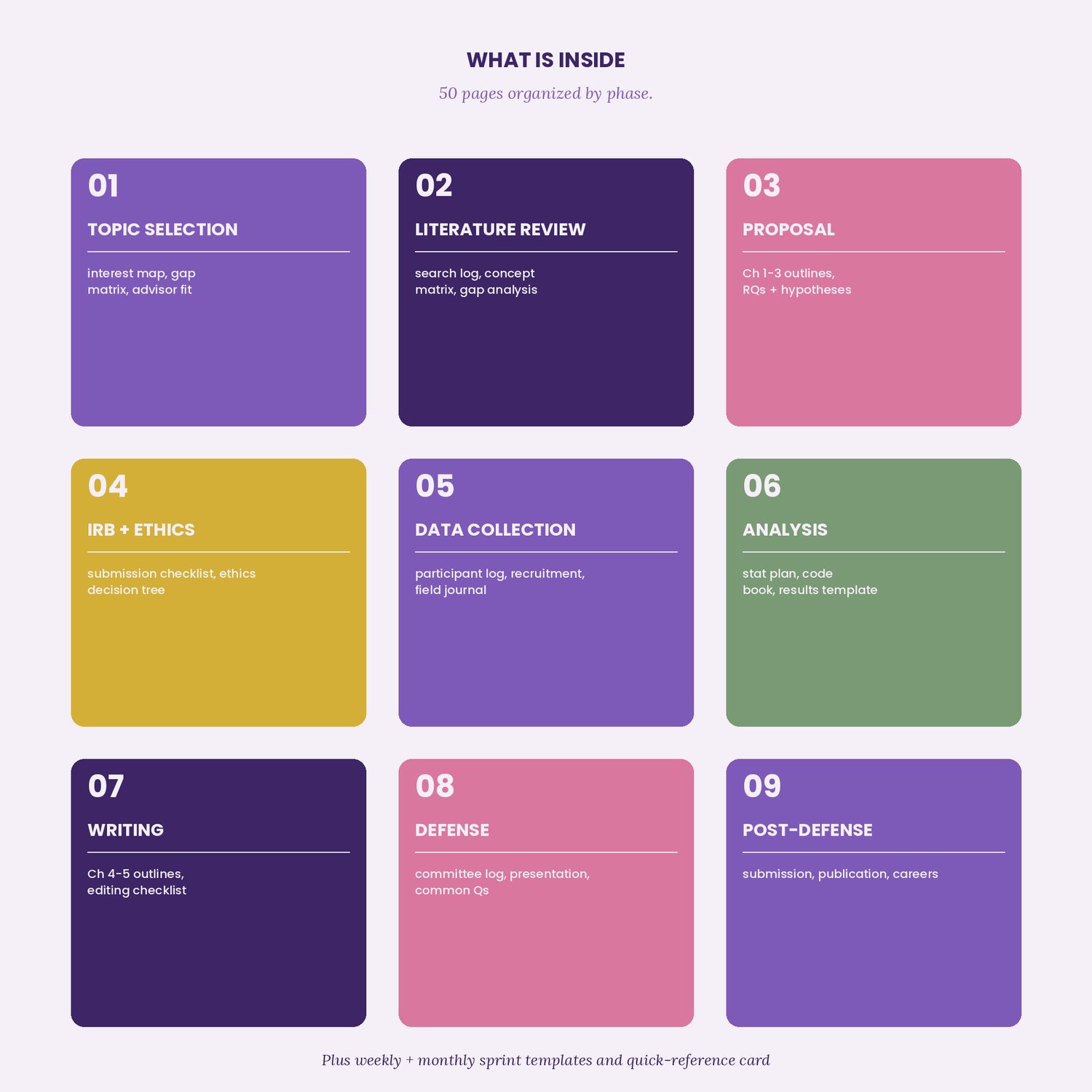
- Phase 1, Topic Selection (5 pages): topic readiness checklist, interest mapping, gap analysis matrix, advisor meeting prep, and a topic lock-in worksheet.
- Phase 2, Literature Review (5 pages): target source counts, search database list, search strategy log, reading log with annotation, concept matrix, and the gap analysis writeup.
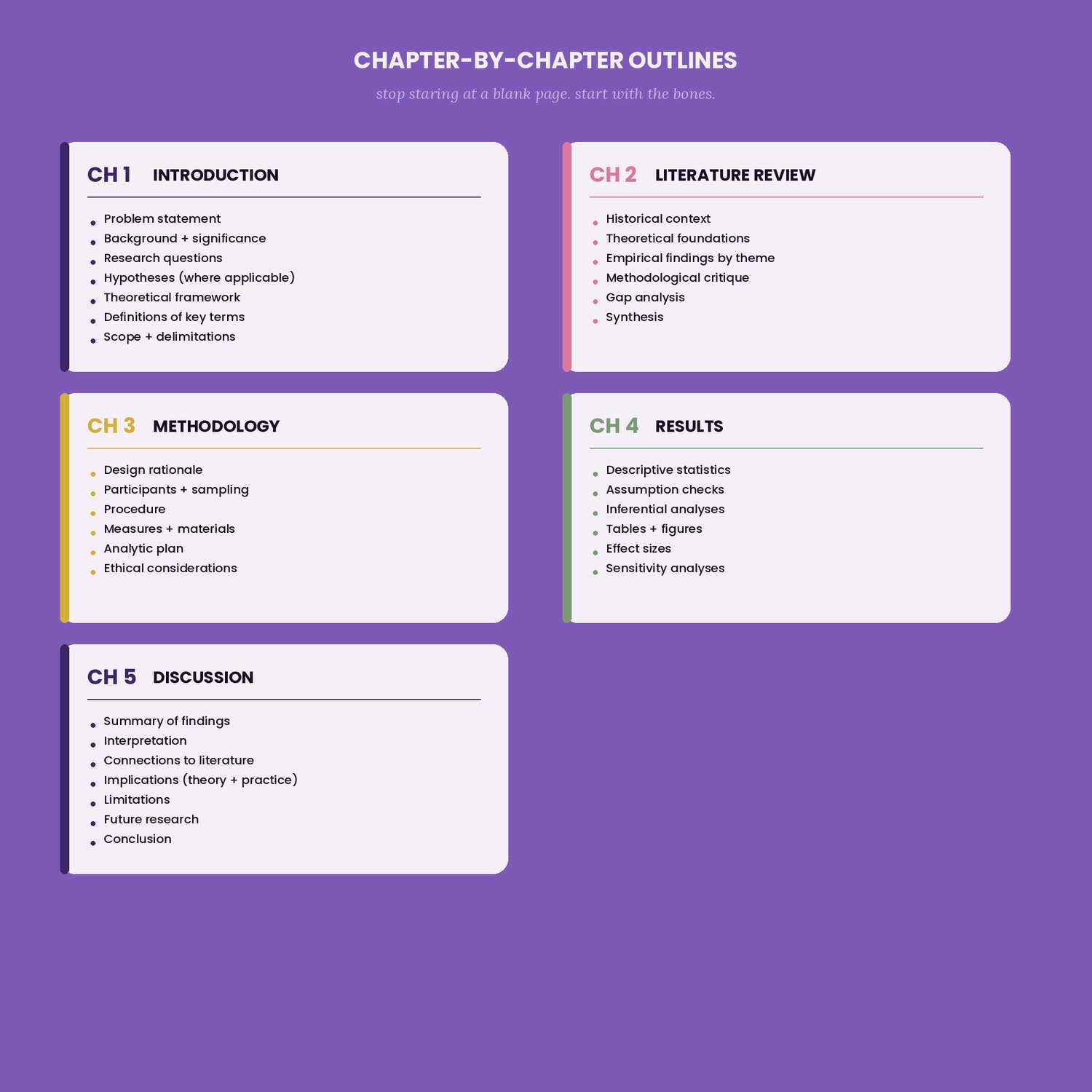
- Phase 3, Proposal Writing (5 pages): Chapter 1, Chapter 2, and Chapter 3 methodology outline scaffolds, plus research questions and hypotheses worksheets.
- Phase 4, IRB and Ethics (4 pages): review categories, a 12 week IRB timeline, the full submission checklist, informed consent elements under 45 CFR 46, and an ethics decision tree for what comes up in the field.
- Phase 5, Data Collection (5 pages): collection targets, a recruitment outreach log tracking channel by conversion, a participant tracking log with study IDs, field journal templates, and a weekly quality assurance checklist.
- Phase 6, Data Analysis (5 pages): analysis principles, a per-research-question analysis plan, a statistical decision tree covering 12 common dissertation tests from one-sample t-test through survival analysis and thematic analysis, a qualitative code book template, and a results reporting scaffold matching APA 7.
- Phase 7, Writing (5 pages): structure targets, Chapter 4 and Chapter 5 outlines, an implications and limitations worksheet, and an editing and revision checklist.
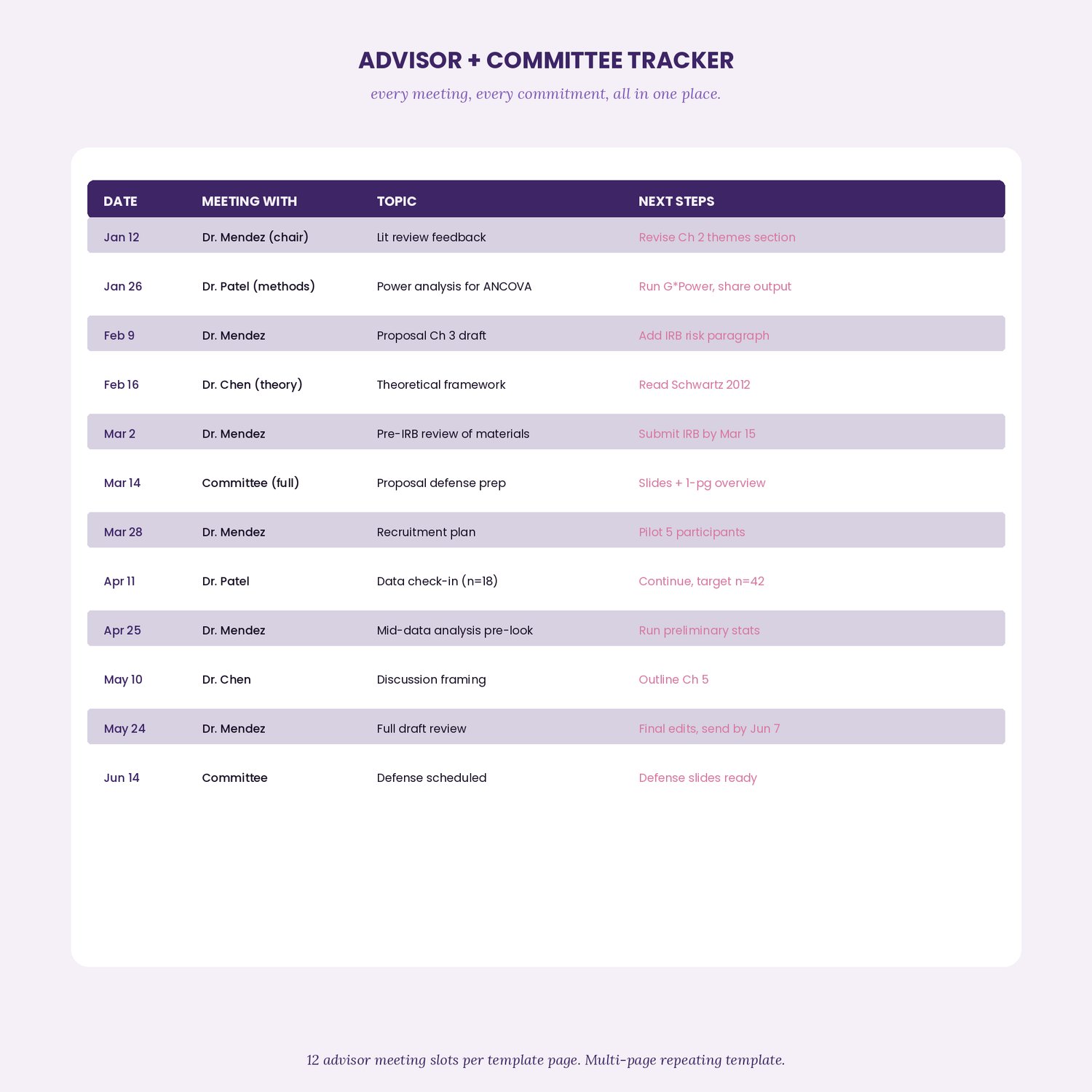
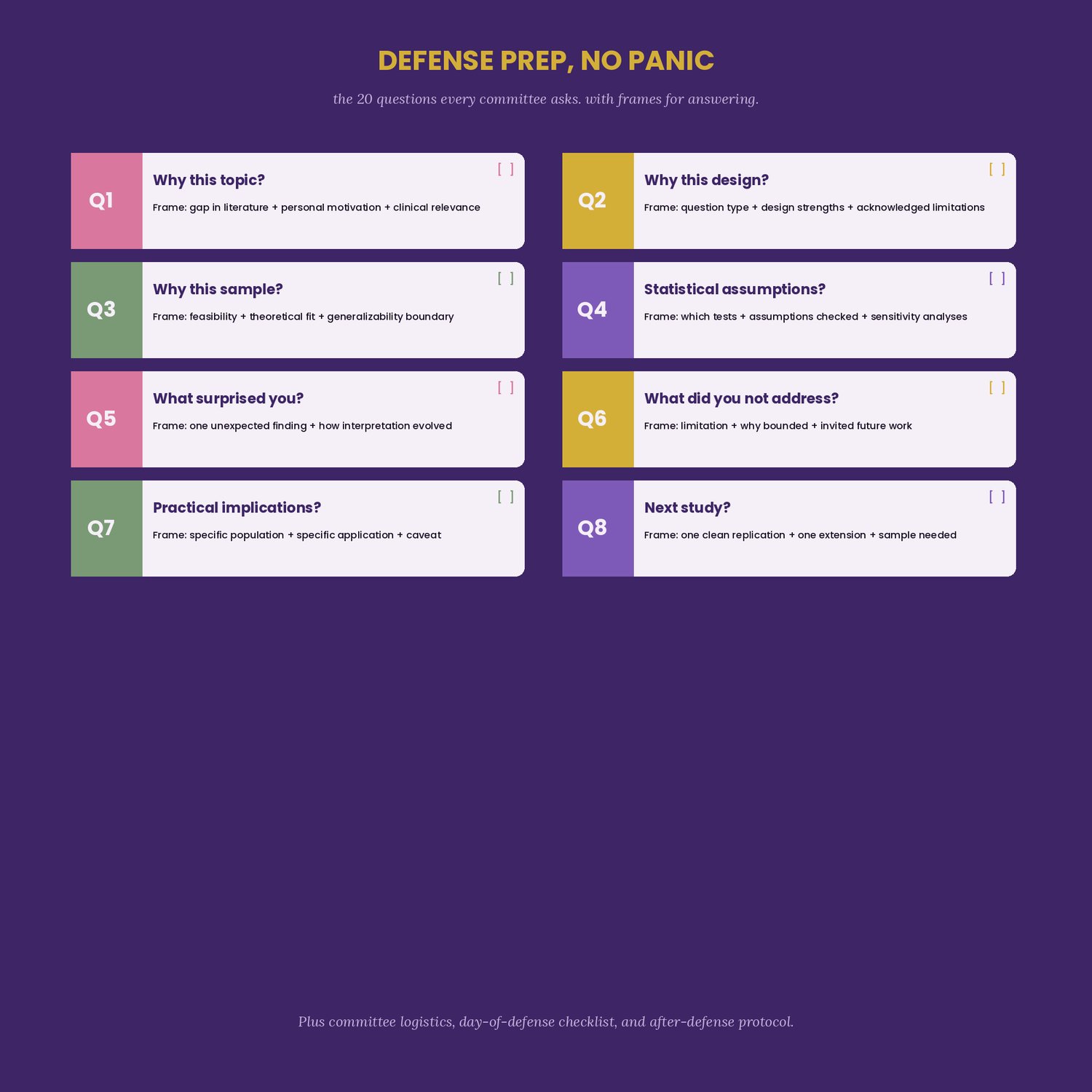
- Phase 8, Defense (5 pages): defense structure breakdown, committee meeting log, a 20 slide presentation outline, the 12 questions almost every committee asks, and a day-of checklist for the night before and the morning of.
- Phase 9, Post-Defense (4 pages): a 90 day plan, the submission checklist, a publication pipeline tracker, and a career planning worksheet.
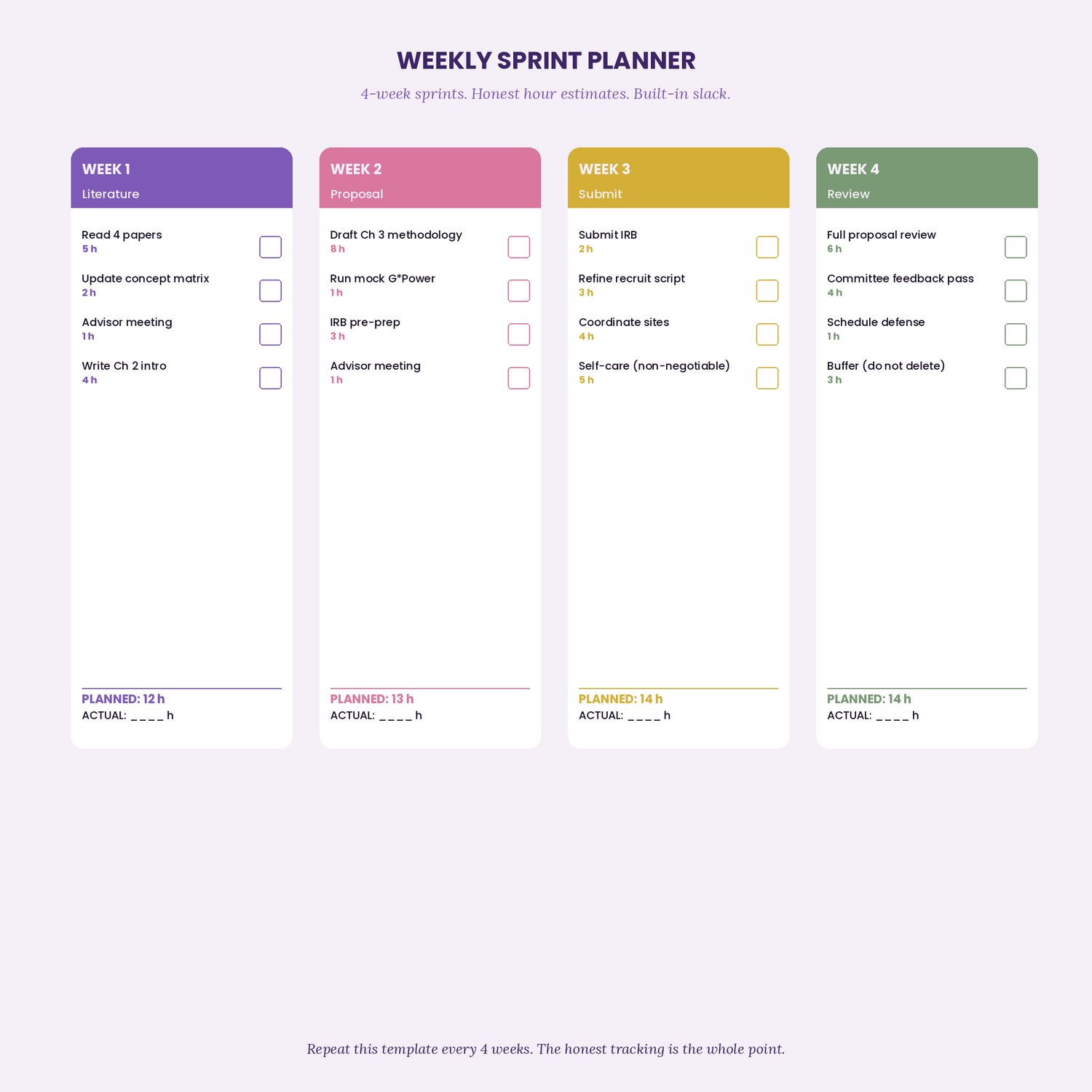
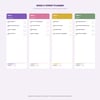
- Plus a weekly sprint planner with planned versus actual hours, and a bookmarked PDF for navigation by phase.
Who it is for
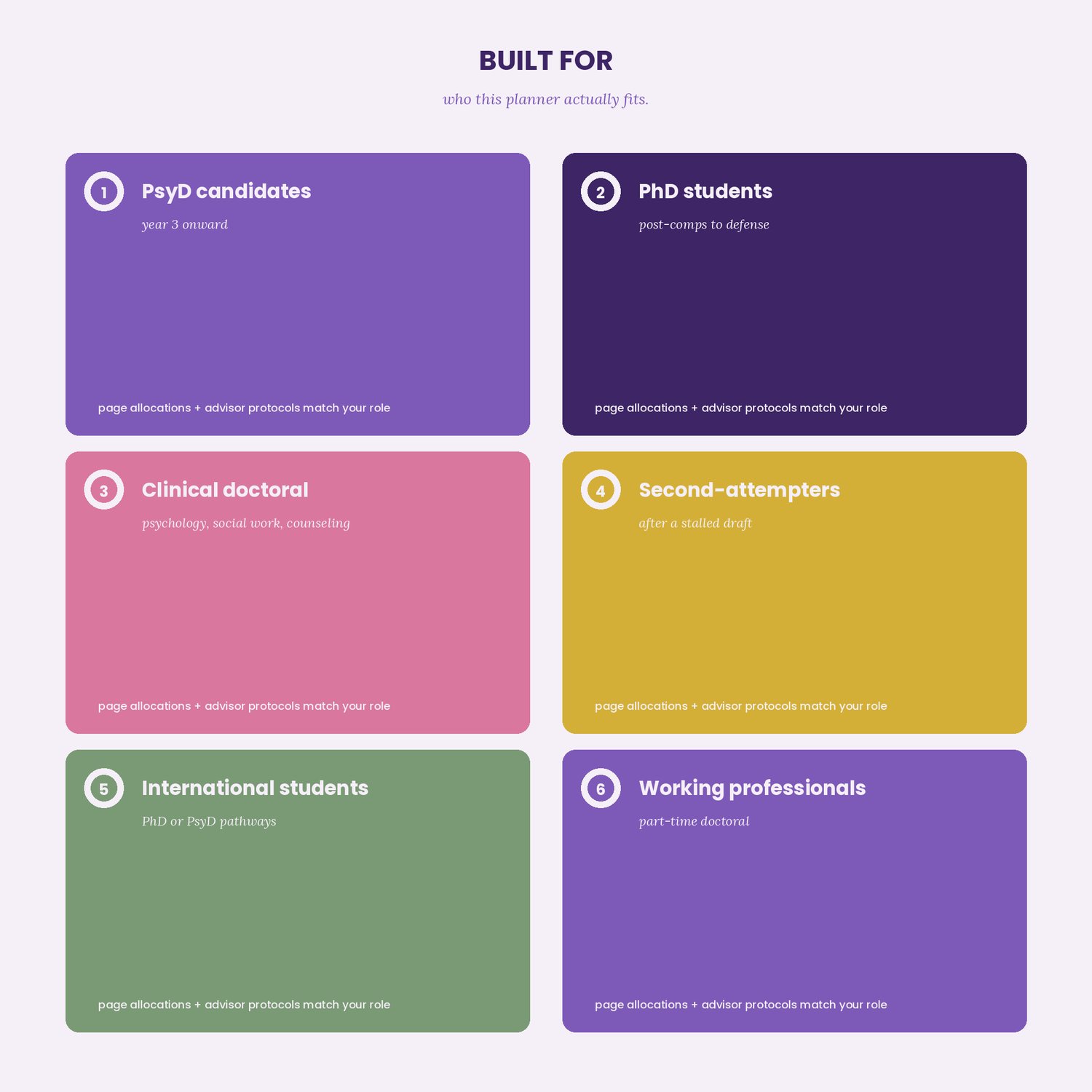
PsyD candidates from year three onward. PhD students from post-comprehensive exams through defense. Clinical, counseling, and school psychology doctoral candidates. Second-attempters restarting after a stalled draft. International doctoral students. Working professionals on a part-time doctorate. Faculty and supervisors who want a structured tool to use with advisees. Anyone whose program provides minimal dissertation scaffolding.
Why it exists
The dissertation is the largest single project most psychology doctoral candidates will ever finish, and it is the project where every generic planner falls apart. A bullet journal was not built for a 24 month research project with an IRB cycle in the middle. Goal-setting books do not carry the artifacts you actually use: the search log, the recruitment tracker, the participant log, the code book, the defense question rehearsal sheet. Most candidates end up with half-filled notebooks and a folder of Word documents that do not talk to each other.
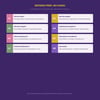
50 pages organized around the nine dissertation phases, with a 24 month milestone map and a semester roadmap up front. Topic Selection, Literature Review, Proposal Writing, IRB and Ethics, Data Collection, Data Analysis, Writing, Defense, Post-Defense.
Why it is built this way
Generic dissertation books are written for any discipline and generic planners for any project. Neither fits a psychology dissertation with an IRB cycle, recruitment logistics, APA 7 formatting, and a clinical doctoral committee.
The 24 month timeline is the honest one. Most guides quietly assume 18 months, which does not survive contact with a 12 week IRB cycle, the six month data collection window most psychology studies need, and committee review going back and forth.
Every page is a working artifact rather than decoration. The search strategy log is what you use to defend the comprehensiveness of the literature review. The participant log is what you use to run the study. Fill these in and you are doing the work rather than planning it.
Topic Selection gets five pages because most stalled dissertations stall on topic, and the readiness checklist is designed to surface defensibility problems before a year is committed. IRB gets four because it is the second most common stall point, and the ethics decision tree is what you reach for when something unexpected happens mid-collection.
Format
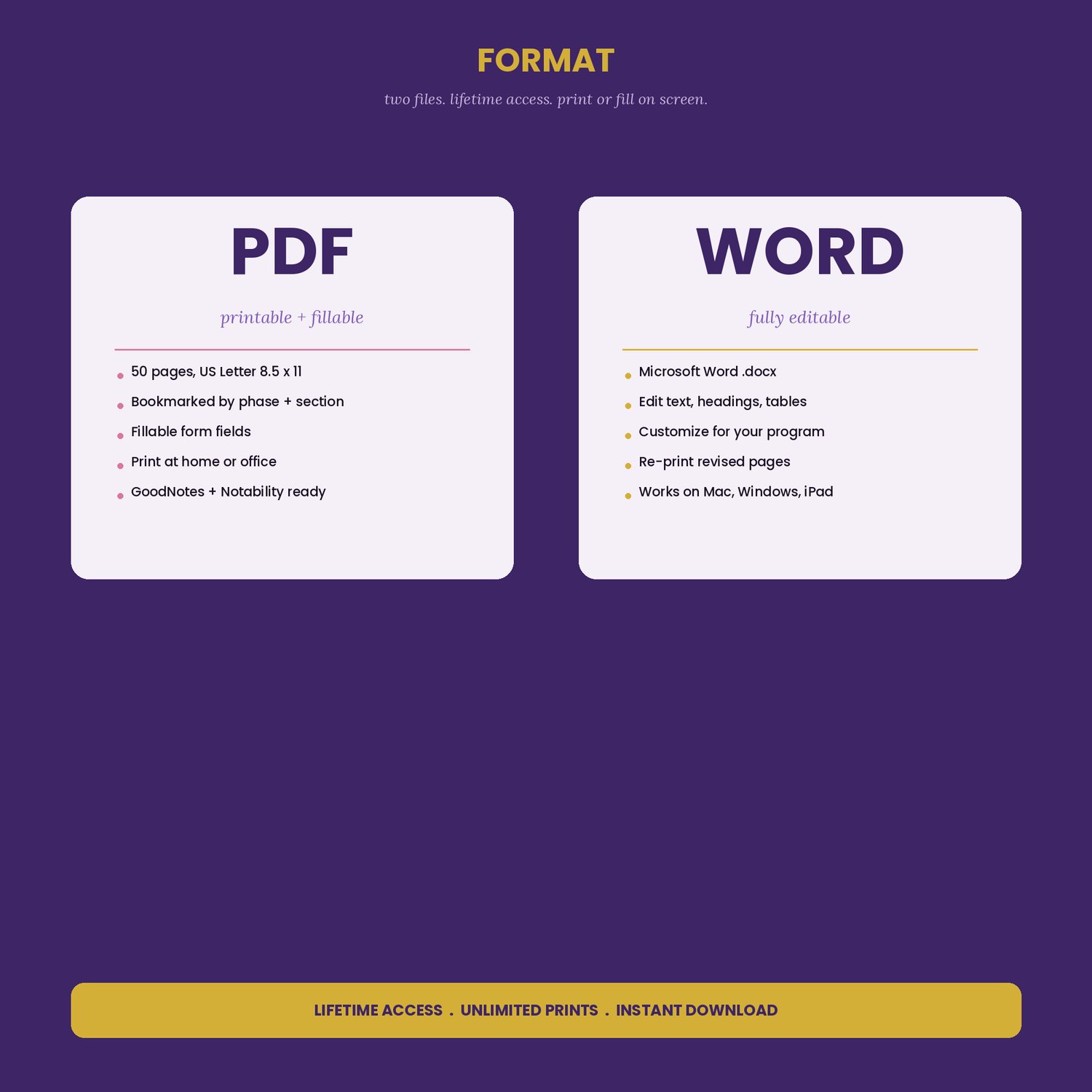
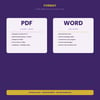
Editable, fillable PDF. Editable Microsoft Word (.docx). US Letter (8.5 x 11). Works on Mac, Windows, iPad, GoodNotes, and Notability. Print or fill on screen. Lifetime access, unlimited prints.
Updated 2026
Aligned to APA 7 formatting standards and the 45 CFR 46 informed consent elements. The statistical decision tree reflects contemporary practice for psychology dissertation work. The IRB checklist reflects current Common Rule requirements. Timelines are built for 2026 academic calendars.
How to use it
Start with the 24 month timeline and the milestone map. Mark target dates, then fill in actuals as you hit them. Calibrate to your program's calendar with the semester roadmap. Work the phases in order, since Phase 1 outputs feed Phase 2 inputs and so on. Print Phases 1 through 3 first, they are the heaviest planning. Phases 4 through 9 hold templates you return to, so reprint the participant log, field journal, and weekly sprint planner as needed. The sprint planner is the page you print most, and the actual-hours column tells you where the dissertation is really getting your time rather than where you hoped.
Instant digital download. No physical product ships. Message us if anything does not work.
Pairs with
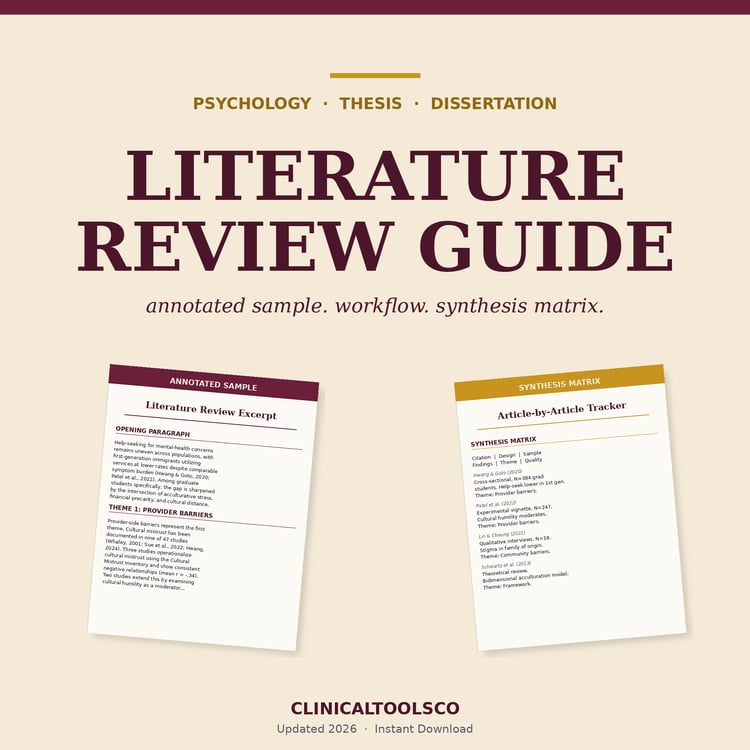
The planner tells you when Chapter 2 is due. The Literature Review Guide tells you how to write it, with a fillable synthesis matrix, an annotated sample review and a decoder for the terse comments advisors actually leave in the margin.