

Literature Review Guide for Psychology Students (2026)
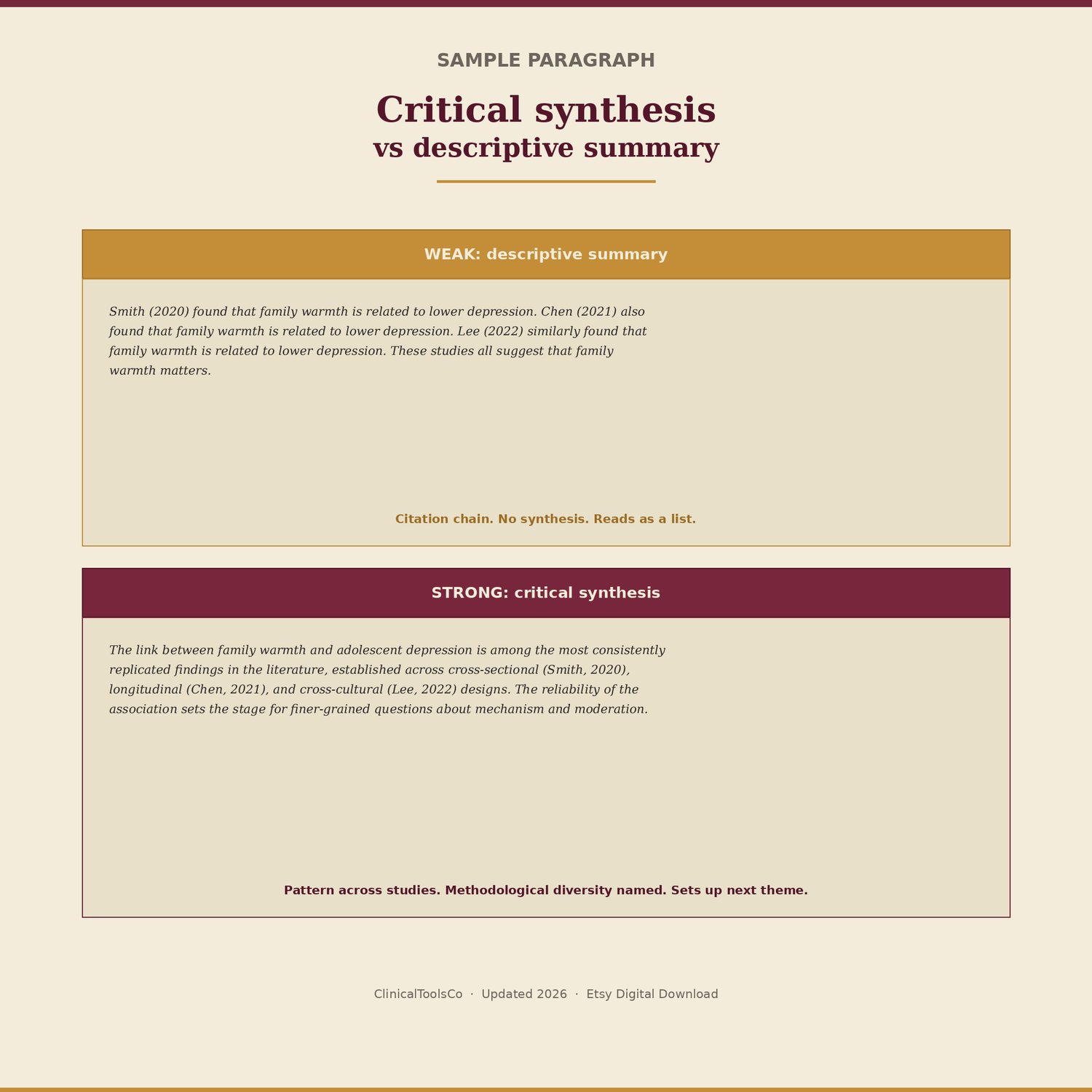
Your advisor writes "needs more synthesis" in the margin of Chapter 2. Or "reads like a list." Or "where is your voice." Nobody explains what any of that means, so you rewrite the same draft a third time and get the same comment back.
The fix sits upstream of the draft. Build a synthesis matrix, pull themes out of the matrix, then write theme by theme with the right paragraph structure. Almost everyone who gets that comment drafted from their notes instead, and notes produce a list.
What is inside
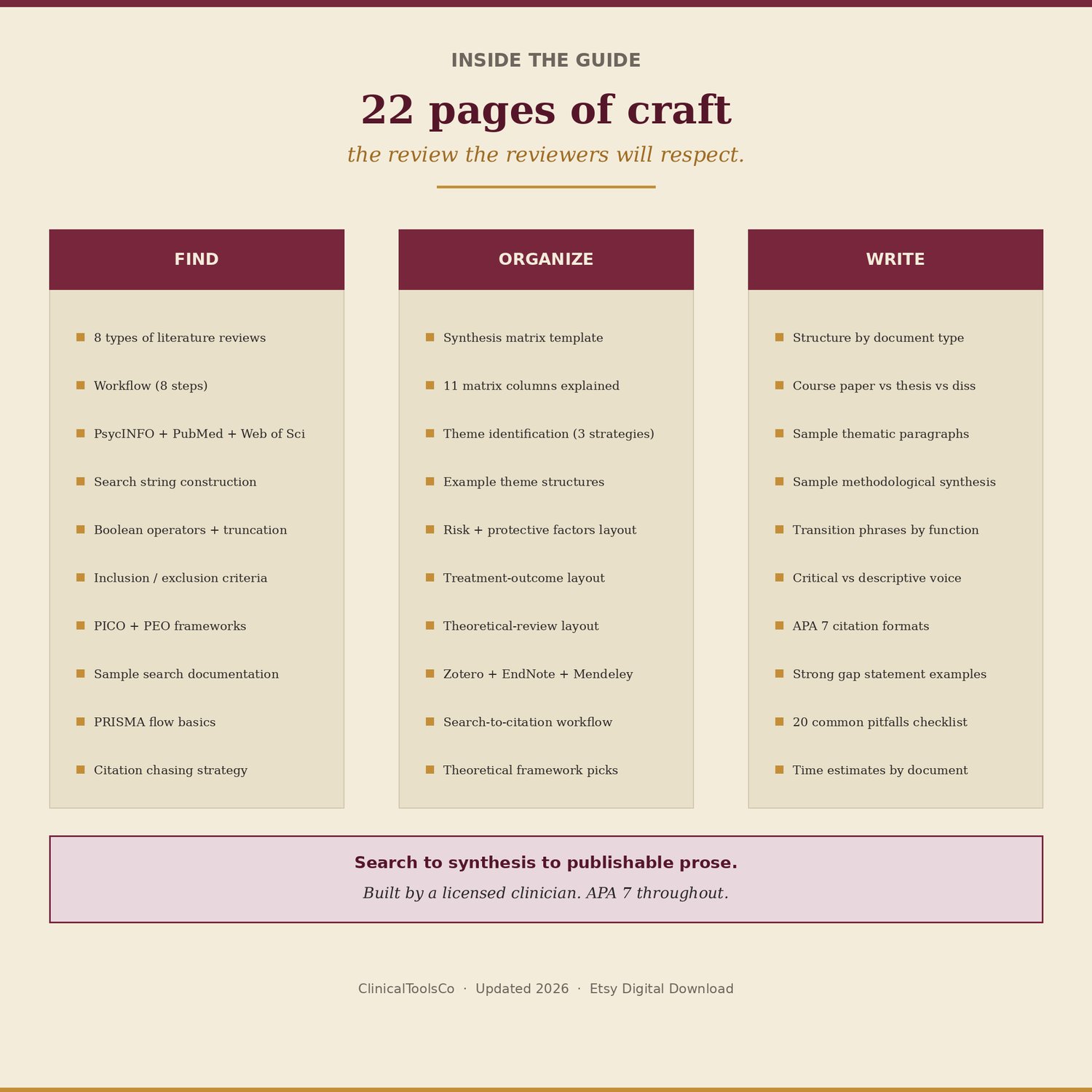
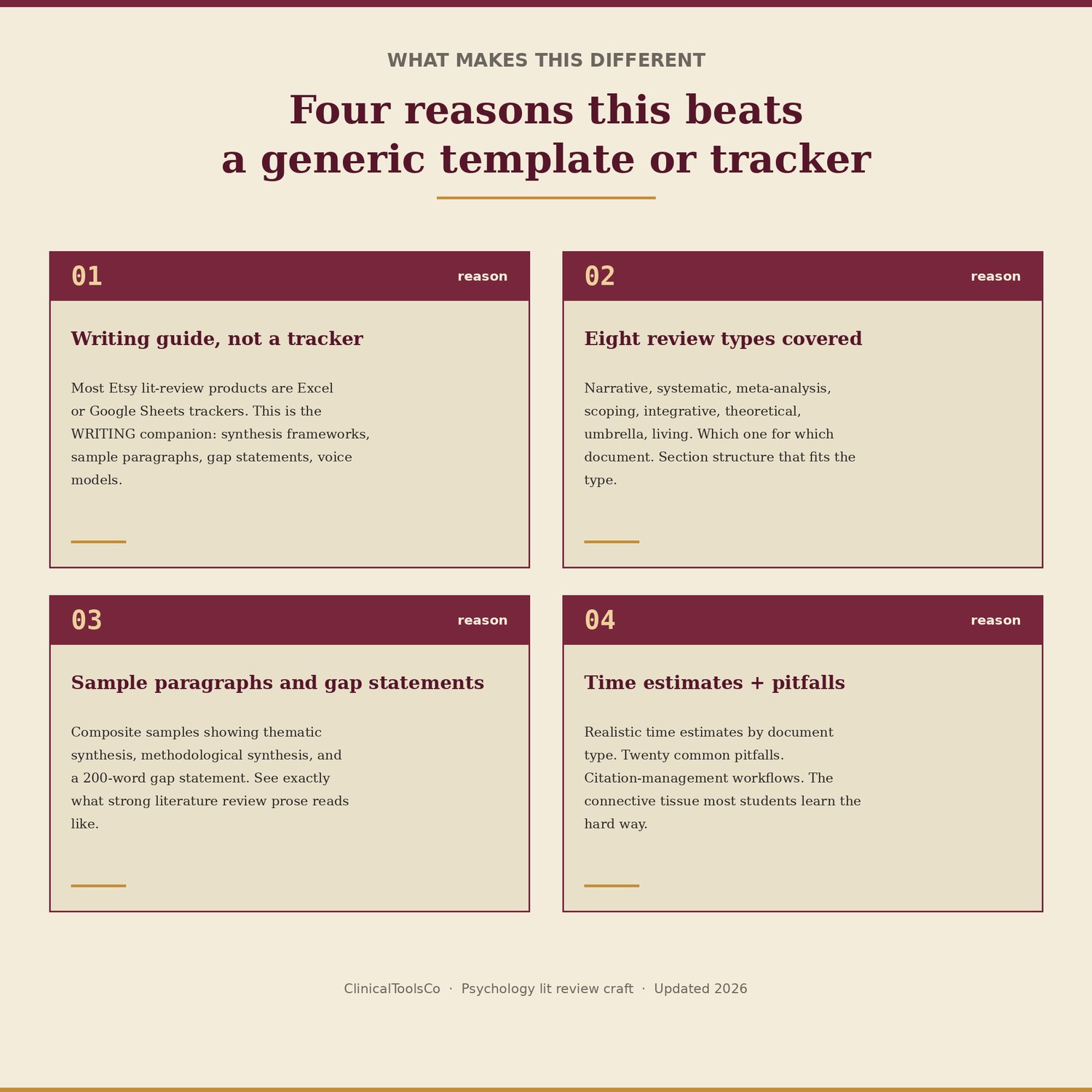
- A 22 page guide as PDF and editable Word, plus a separate 21 page Synthesis Matrix Template as PDF and editable Word. Four files.
- The eight step workflow with honest time estimates. A master's thesis or dissertation chapter runs 90 to 180 hours. Knowing that up front changes how you plan the semester.
- Search strategy with the databases ranked, a full worked PsycINFO string with Boolean operators, truncation and proximity logic, and the citation chasing technique for expanding backward and forward from a key paper.
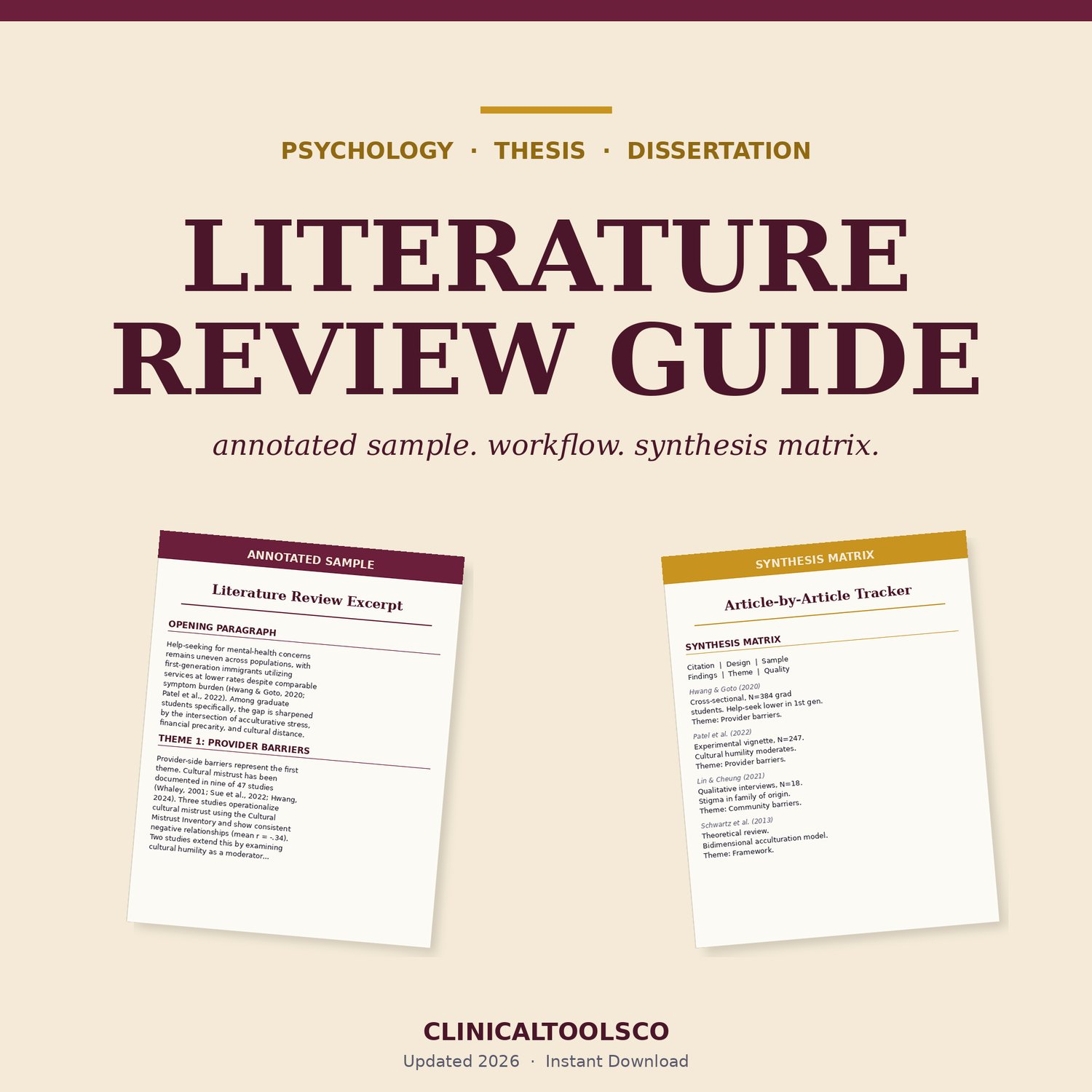
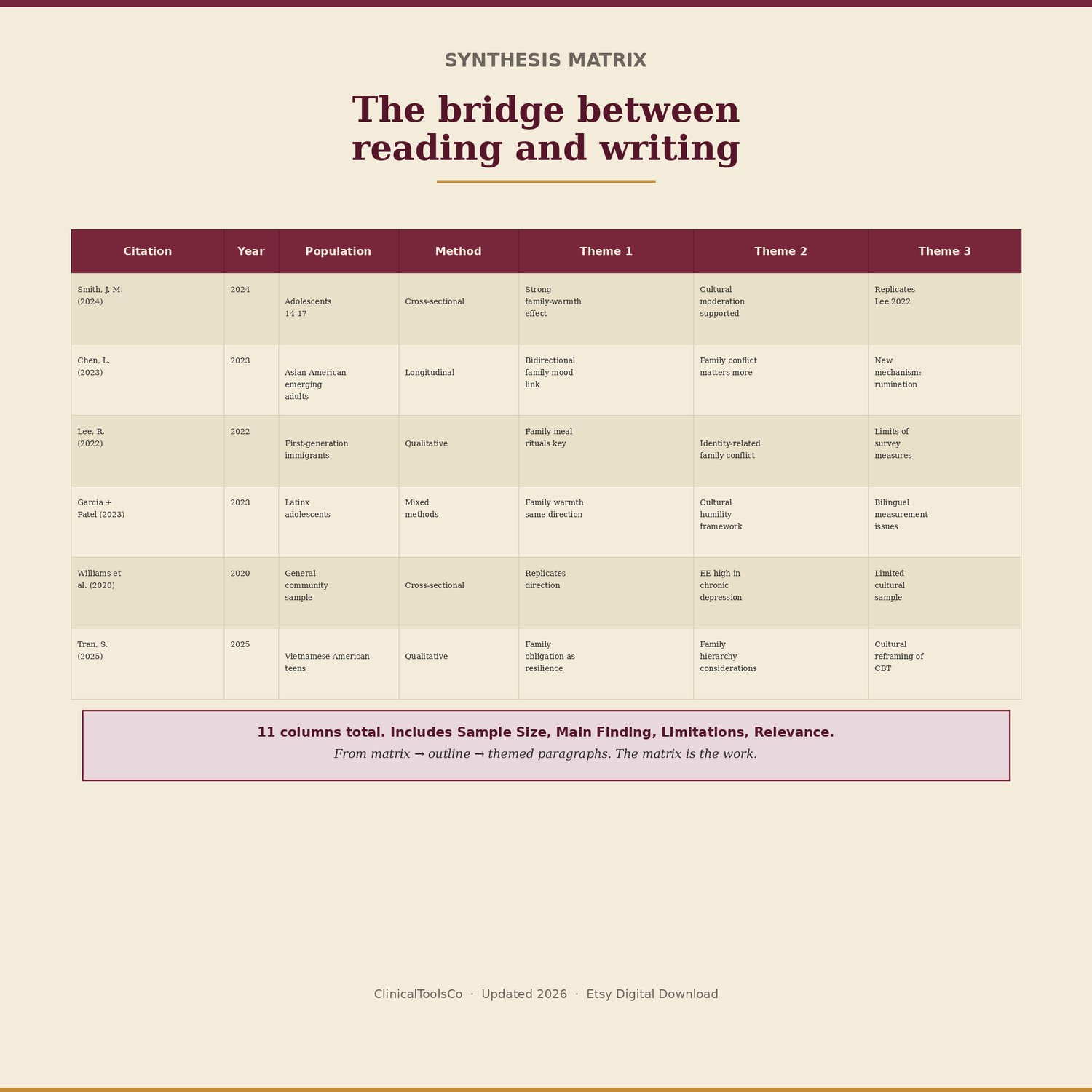
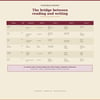
- The matrix itself: six columns, room for 45 articles, with a Theme Identification Worksheet at the back for the step after the matrix is full. A worked example shows how 47 articles collapsed into four themes.
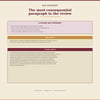
- A full annotated sample review. Five paragraphs, each carrying an annotation that names the structural move and why it works: the opening, the scope-setting paragraph, a theme paragraph, the integrative paragraph, and the gap statement.
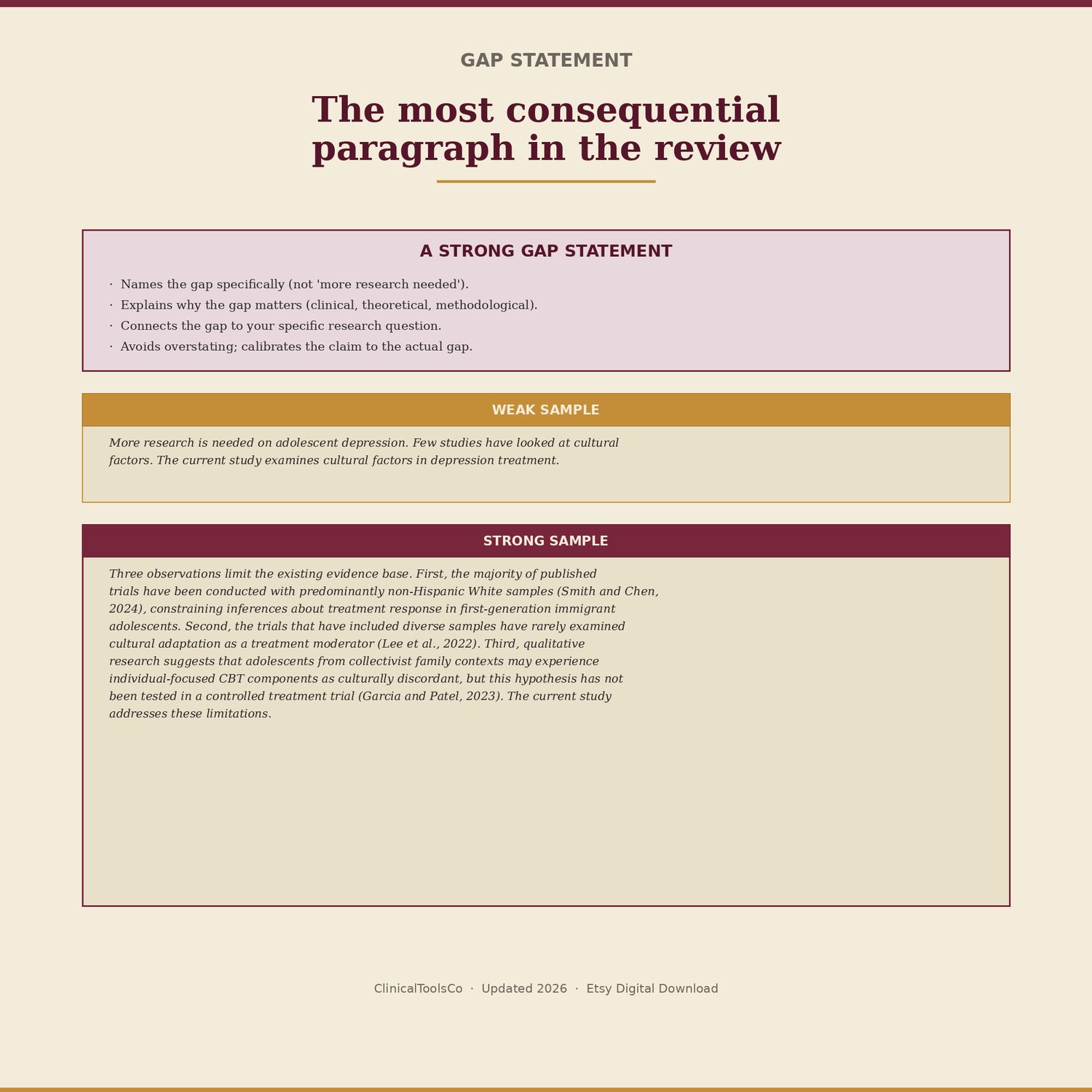
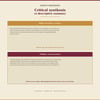
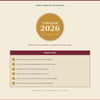
- Six gap statement formulas with worked examples. Population, method, moderator, mechanism, integration and intervention. The gap statement is the paragraph committees and reviewers read most closely, so it is worth having a template for.
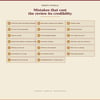
- A feedback decoder that translates ten recurring faculty comments into the concrete edit each one is actually asking for.
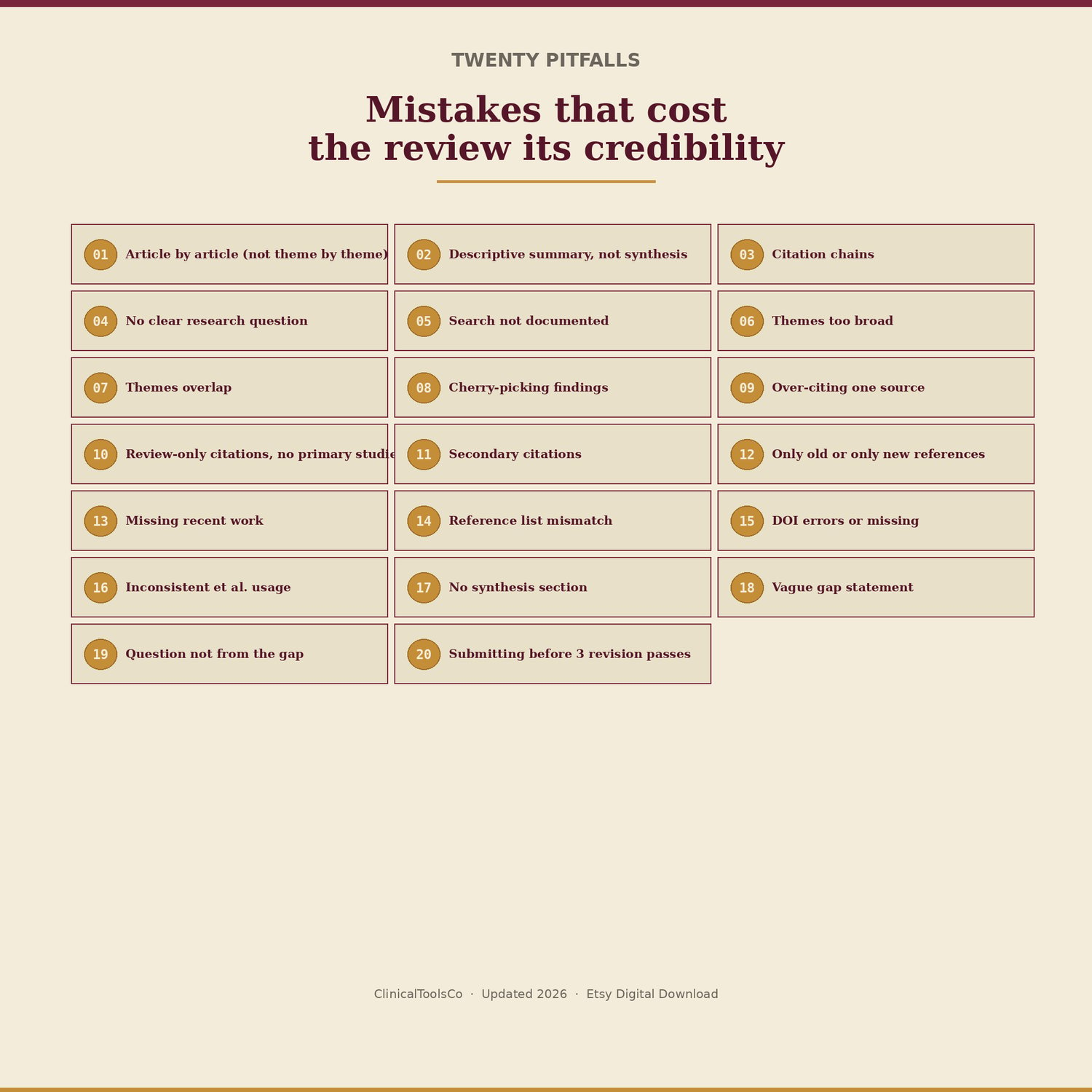
- Ten pitfalls with fixes, and an APA 7 citation quick reference covering journals, books, chapters, dissertations, conference papers and reports.
Who it is for
Psychology master's and doctoral students writing course papers, theses, dissertation chapters or manuscript introductions. PsyD and PhD candidates on Chapter 2. Anyone who has been told their review reads like a list. Faculty and writing center staff who want something structured to hand to students.
The matrix is the part that matters
Everything else here is useful. The matrix is the thing that changes how you write. Drafting from notes produces summary. Drafting from a filled matrix produces an argument, because the matrix has already forced every article onto the same set of dimensions and the patterns become visible on the page.
Format
22 page guide plus 21 page fillable template, each as PDF and editable Word. US Letter and A4. Works on Mac, Windows, iPad, Google Docs and Pages. Yours to keep, unlimited prints.