
WAIS, WISC and WIAT Report Writing Templates (2026)
WAIS, WISC and WIAT report writing templates: a standard report structure, index references with drop-in language, a CHC cross-battery framework and a performance validity protocol.
What is in the pack
- Standard report structure with every section in the order reviewers expect: identifying information, referral question, sources, background, behavioral observations, results by domain, validity, diagnostic impressions, summary and integration, recommendations, and signature.
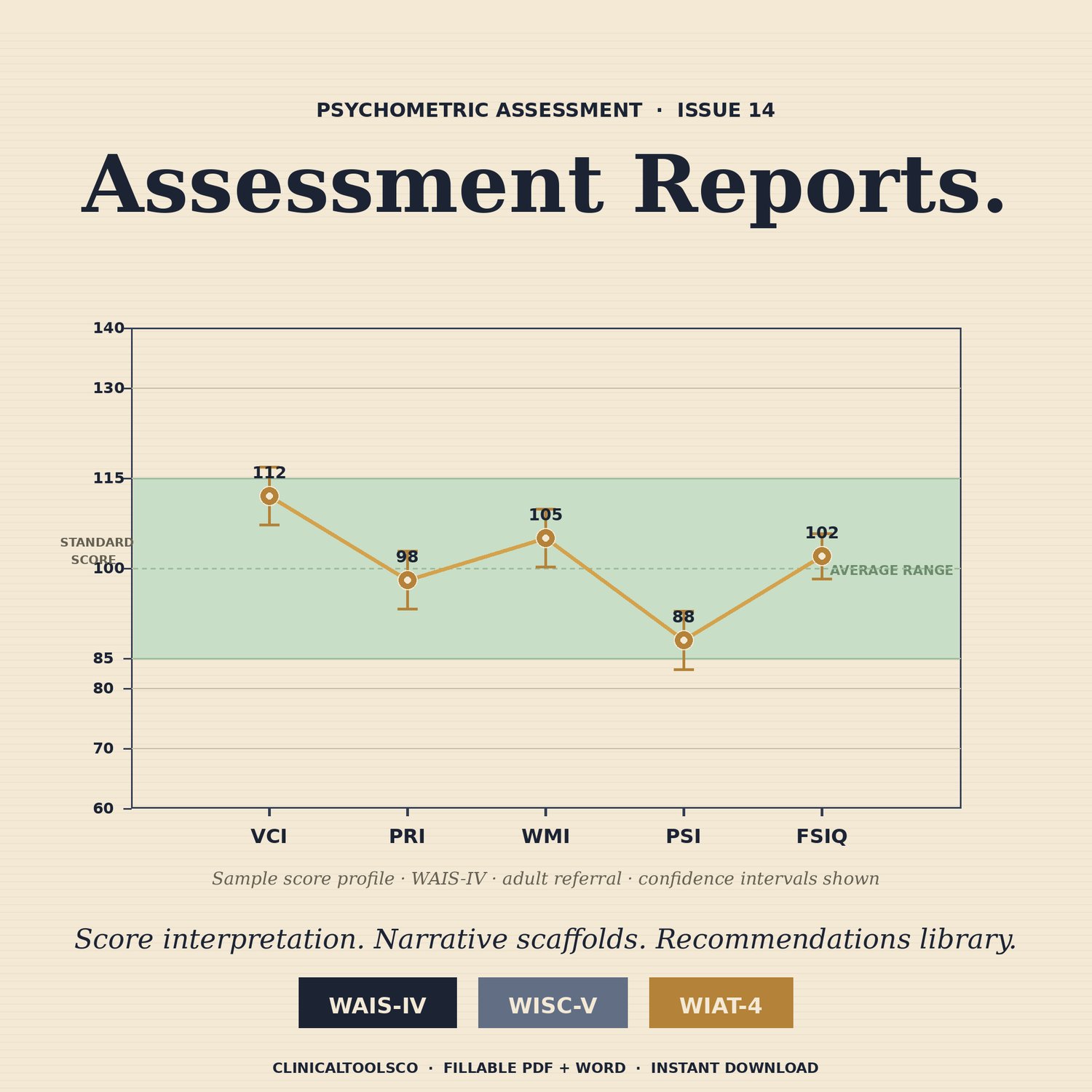
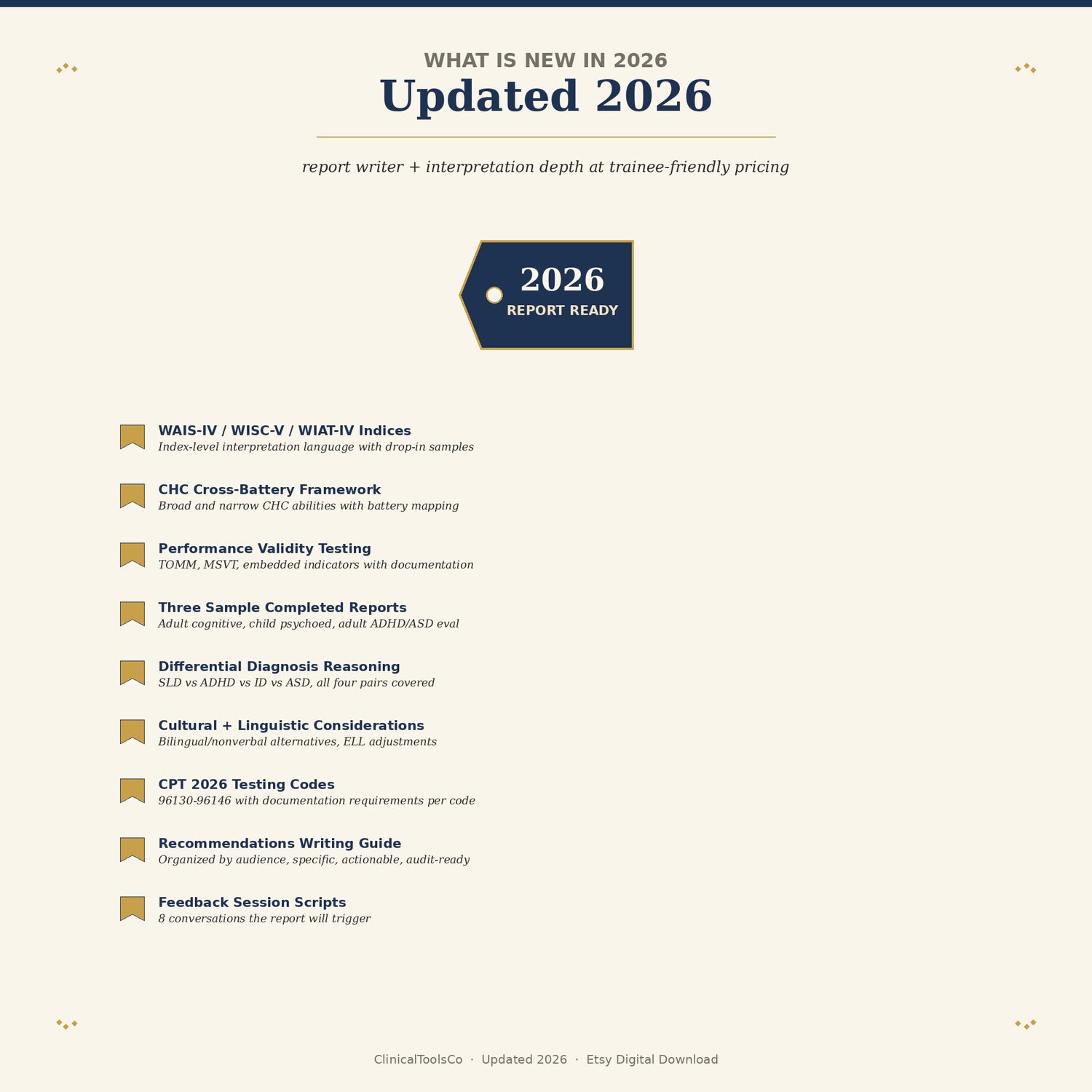
- WAIS-IV indices reference with drop-in interpretation language for VCI, PRI, WMI, PSI, FSIQ, and GAI, plus a WAIS-5 transition note for practices beginning the rollout.
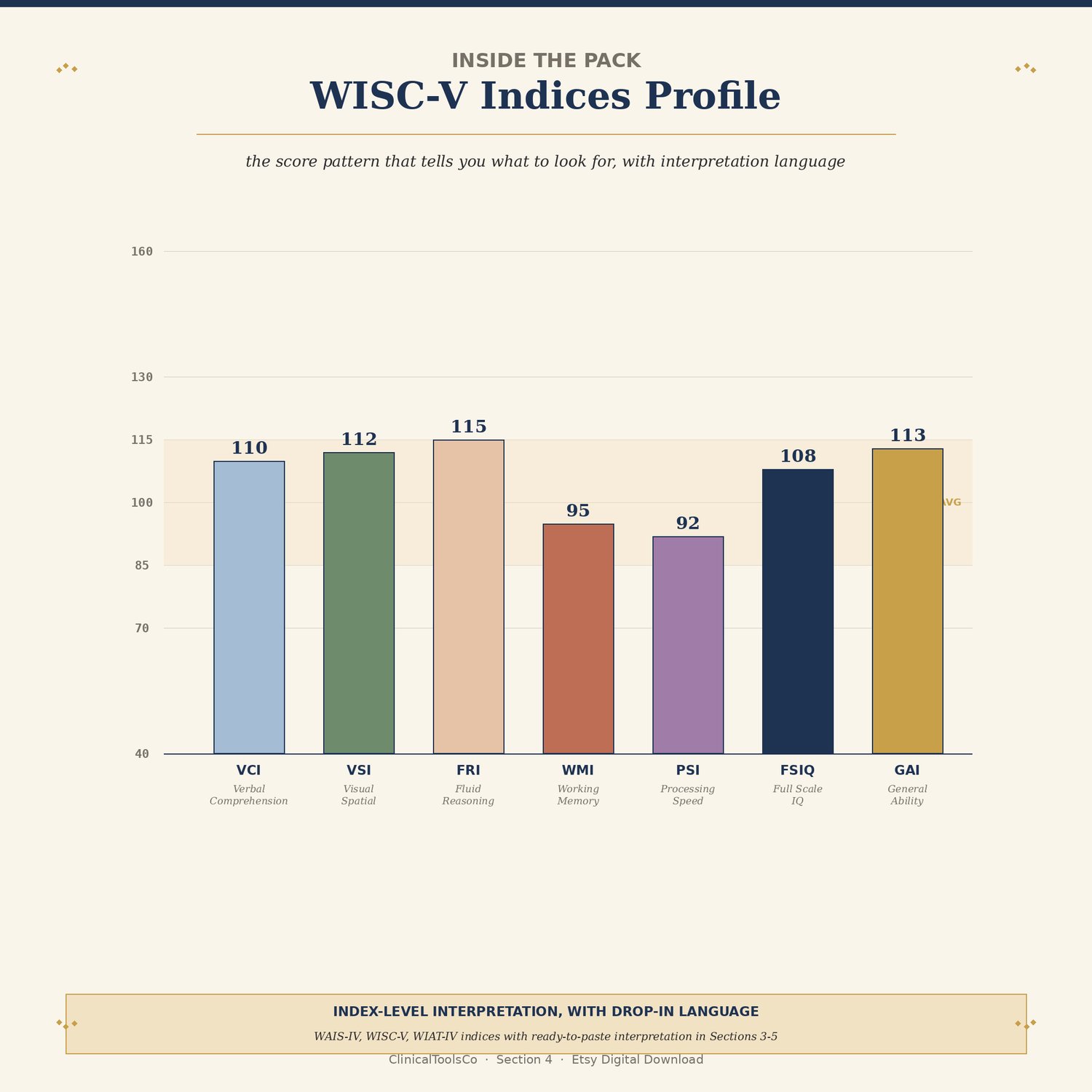
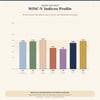
- WISC-V indices reference with drop-in language for VCI, VSI, FRI, WMI, PSI, FSIQ, GAI, and CPI, including LD-consistent and ASD-consistent profile examples.
- WIAT-IV indices reference with ability-achievement comparison language and PSW reasoning across Reading, Written Expression, Math, and Oral Language composites plus Reading Fluency and Math Fluency.
- CHC cross-battery framework mapping the broad abilities (Gc, Gf, Gv, Gsm, Gs, Glr, Ga, Grw, Gq) to WAIS and WISC subtests with their real-world correlates.
- Performance validity protocol covering stand-alone measures (TOMM, MSVT, WMT, Rey 15-Item) and embedded ones (Reliable Digit Span, WAIS-IV Coding patterns, WMS-IV Auditory Recognition Delayed), when PVT is required across clinical, forensic, disability, IME, and VA contexts, and report language for both pass and failed-cutoff cases.
- Integrated report template, fillable, two pages, ready to print or fill on screen.
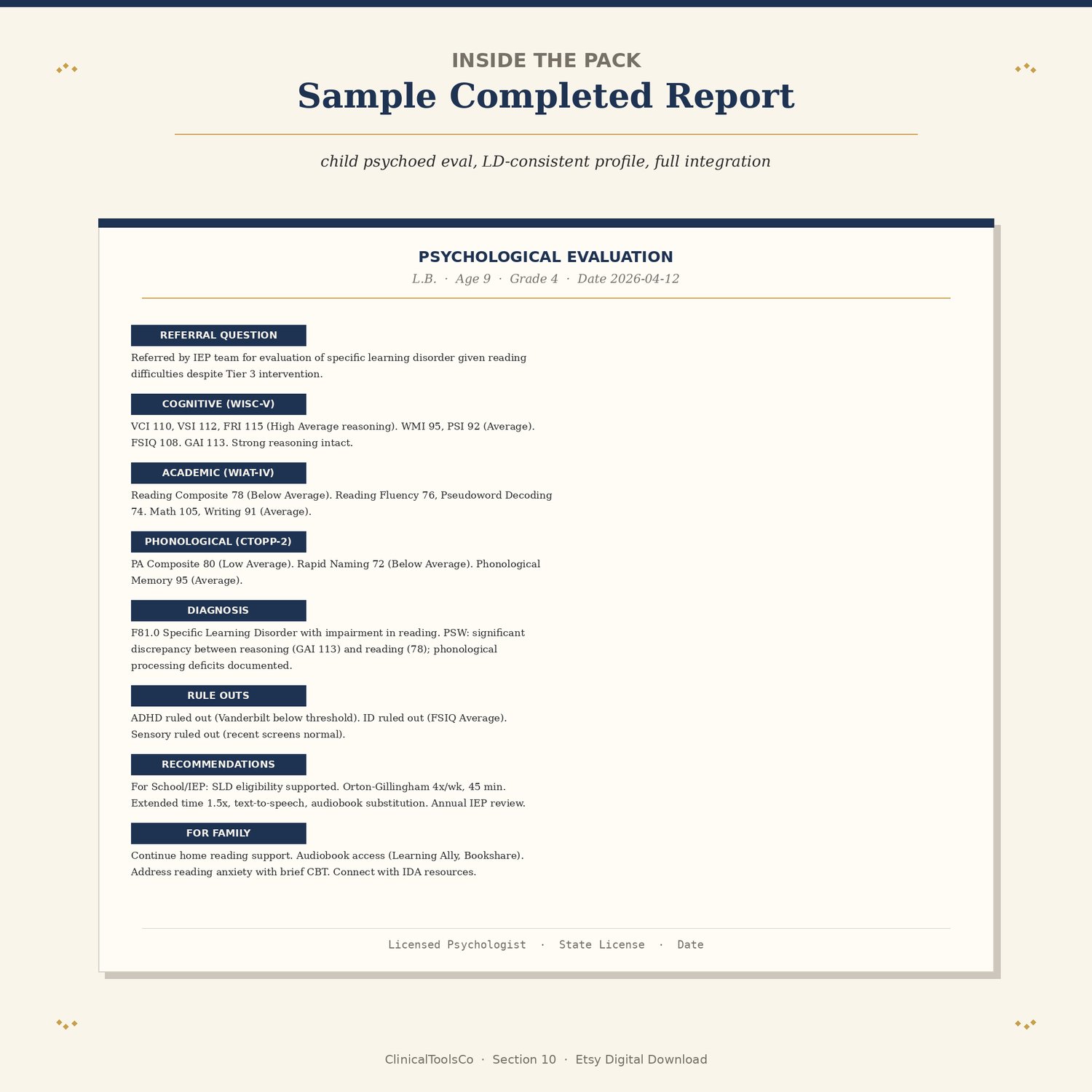
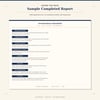
- Three full sample reports. An adult cognitive evaluation for memory complaints (58 years old, mild neurocognitive disorder workup with WAIS-IV, WMS-IV, BNT, Trails, COWAT, RCFT, mood scales). A child psychoeducational evaluation for an LD referral (9 years old, dyslexia diagnosis via WISC-V, WIAT-IV, CTOPP-2, TOWRE-2). An adult ADHD and ASD dual evaluation (32 years old, level 1 ASD plus inattentive ADHD via WAIS-IV, CAARS, DIVA-5, AQ, RAADS-R, ADOS-2 Module 4). Each runs referral through recommendations with ICD-10 codes and diagnostic reasoning shown.
- Differential diagnosis reasoning grids: SLD versus ADHD, ADHD versus anxiety, ASD versus ADHD with a dual-diagnosis note, ID versus SLD, and ASD versus social anxiety.
- Cultural and linguistic considerations, including the English language learner timeline, nonverbal alternatives (Bateria-IV, UNIT-2, Leiter-3, KABC-II NV, CTONI-2), and documentation language.
- Recommendations writing guide organized by audience, with specificity standards and a worked strong example. Seven weak-to-strong paired rewrites covering the referral question, subtest interpretation, validity narrative, diagnostic reasoning, recommendation specificity, integration, and cultural factors.
- Feedback session scripts for seven conversations that come up constantly: the parent asking whether this is dyslexia, the client asking about a dual diagnosis, the parent asking about college accommodations, the parent who disagrees with the diagnosis, the IEP team that disagrees with the recommendations, the client asking about medication, and how to deliver an unexpected dual diagnosis.
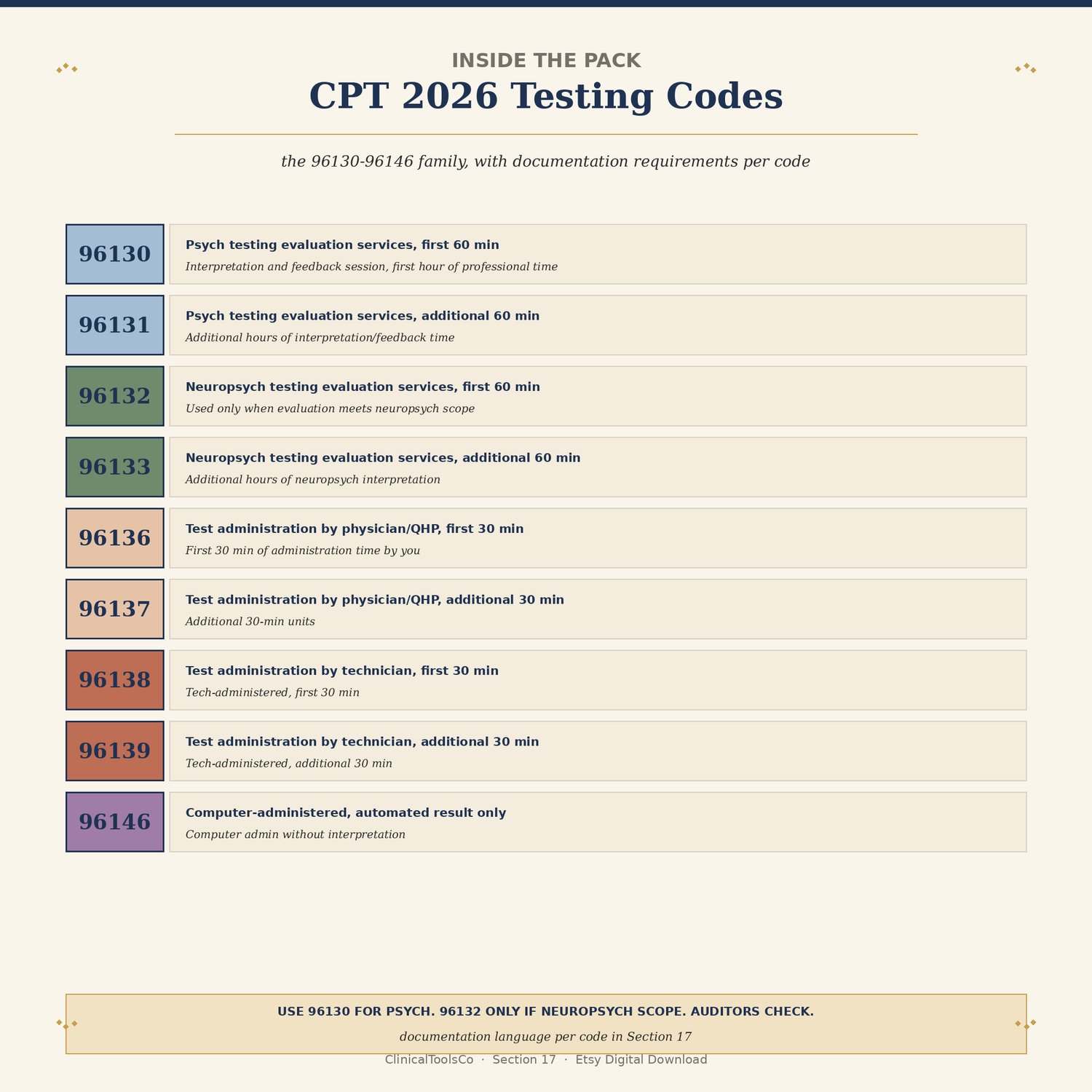
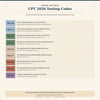
- CPT 2026 testing codes (96130, 96131, 96132, 96133, 96136, 96137, 96138, 96139, 96146, 90791) with per-code documentation requirements and the audit flags that draw attention: 96132 used for routine psychoed, inconsistent time documentation, computer-administered testing billed at full administration rates.
- Signature, credentials, and scope-of-practice standards for licensed, supervised, and master's-level testers, plus a four-week intake-to-feedback workflow with time benchmarks for cognitive-only, full psychoed, and ADHD or ASD batteries.
Who it is for
Psychologists writing cognitive, academic, and psychoeducational evaluations (PhD, PsyD, EdS). Neuropsychologists wanting an audit-current shell and PVT protocol. School psychologists writing eligibility and reevaluation reports. Forensic psychologists writing capacity, custody, and treatment-readiness evaluations. Predoctoral interns, postdoctoral fellows, and supervised trainees. School psych interns and EdS trainees. Graduate students on assessment practica. Supervisors who want one consistent reference to hand out. Group practice owners standardizing report quality.
Why it exists
The raw scores are sitting in your scoring software. The blank shell is open in Word. You start the cognitive results section and stall: you do not have the index-level language your supervisor wants, you cannot remember whether GAI or FSIQ belongs in the headline for this client, and the validity paragraph keeps collapsing into one line under a table. So you open your last report and change the names.
40 pages, 19 sections. A structured report shell plus the interpretation depth that makes it usable: index-level language for WAIS-IV, WISC-V, and WIAT-IV, a CHC cross-battery framework, a performance validity protocol, three full sample reports, differential diagnosis grids, feedback scripts, and the 2026 testing codes.
This is the quick-start cognitive scaffold. For a full neuropsychological or psychoeducational template, see the domain-specific report templates in the shop.
Why it is built this way
Most report templates solve formatting and stop there. That works if you already know how to interpret. This one is priced and built for trainees and early-career psychologists who need the shell and the language together.
Subtest-by-subtest interpretation is the mistake reviewers flag most. The index-level sections give you the integrated paragraphs a supervisor will sign off on: when GAI beats FSIQ, what a VCI to PRI discrepancy actually supports, when CPI is the right efficiency index.
Validity testing is standard of care in clinical and forensic work and increasingly expected in routine psychoed. IEP teams and reviewers want explicit reasoning rather than bare diagnoses, which is what the differential grids are for. And the report only becomes useful at the feedback session, which is the part most templates never address.
Format
Editable, fillable PDF. Editable Microsoft Word (.docx). Section 8, the integrated report template, is designed for direct fill-in during write-up. US Letter (8.5 x 11) and A4 (8.3 x 11.7) both included. Works on Mac, Windows, iPad, GoodNotes, and Notability. Print or fill on screen. Lifetime access, unlimited prints.
Updated 2026
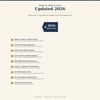
WAIS-IV and WISC-V indices current. WIAT-IV current with pattern of strengths and weaknesses reasoning. WAIS-5 transition note included. Testing code family current to 96130 through 96146 with 2026 documentation requirements. Differential reasoning aligned with DSM-5-TR and current ICD-10 codes (F81.0, F84.0, F90.0, G31.84, F41.1, F32.0). IDEA 2004 PSW and RTI eligibility approaches included.
How to use it
Open Section 8 at the start of the evaluation and save a copy named for the case. Pull index language from Sections 3 to 5 as you draft results. Document validity with Section 7. Use Sections 9 to 11 to calibrate tone and depth. Build differential reasoning from Section 12, add Section 13 where language or culture is relevant, and write recommendations from Section 14. Run the draft against Section 15 before it goes to supervision. Prepare the feedback session with Section 16. Check coding in Section 17 before billing. Pace the whole evaluation with the Section 19 workflow.
Instant digital download. No physical product ships. Message us if anything does not work.
Walkthrough video: a look inside before you buy.