

Self-Diagnosis Conversation Guide for Therapists (2026)
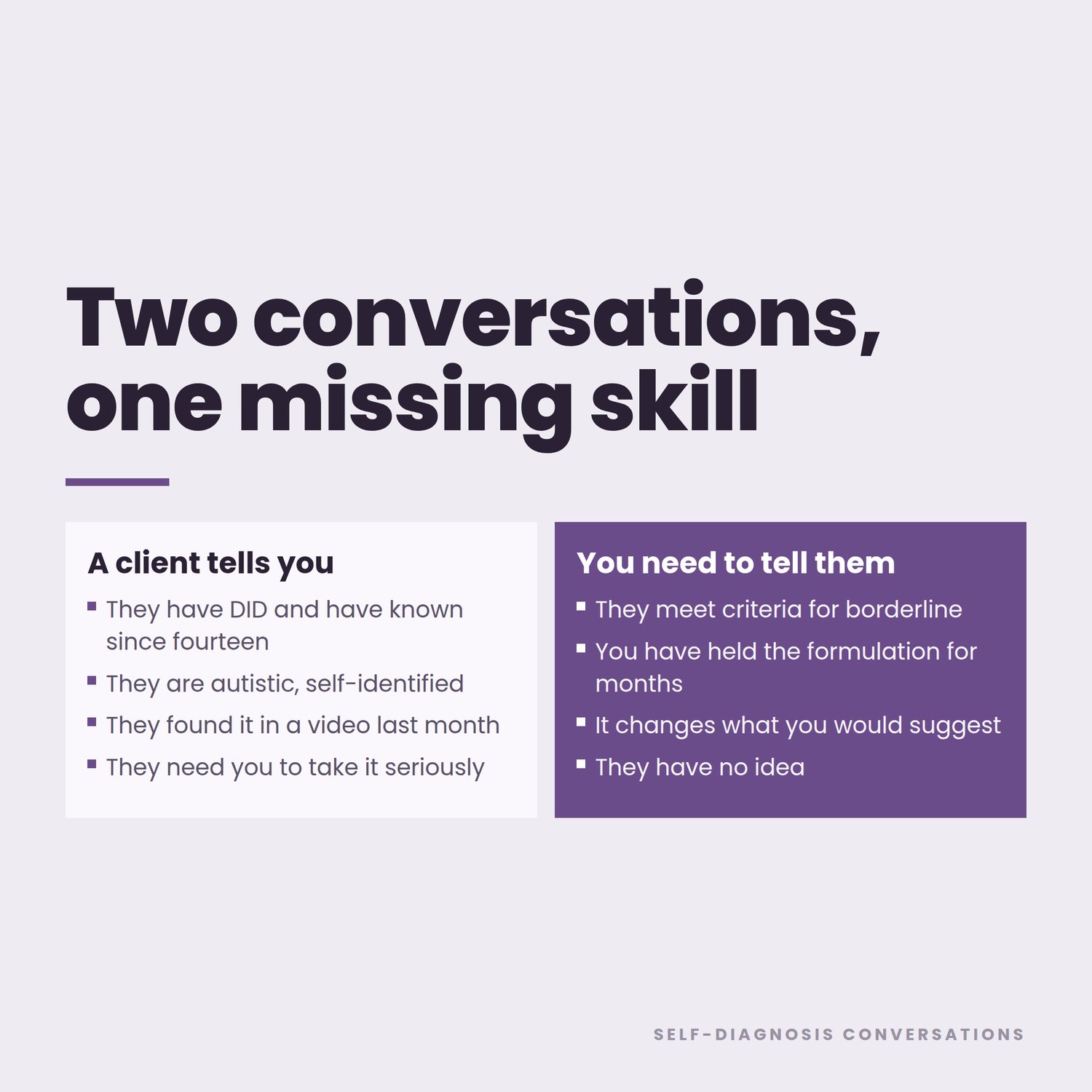
A new client tells you in the first ten minutes that she has DID and has known since she was fourteen.
Or you realize, eight months in, that the person across from you meets criteria for borderline personality disorder and has no idea.
Nobody taught you either conversation. They go wrong in the same way, and it is not the way most people expect.
What is inside
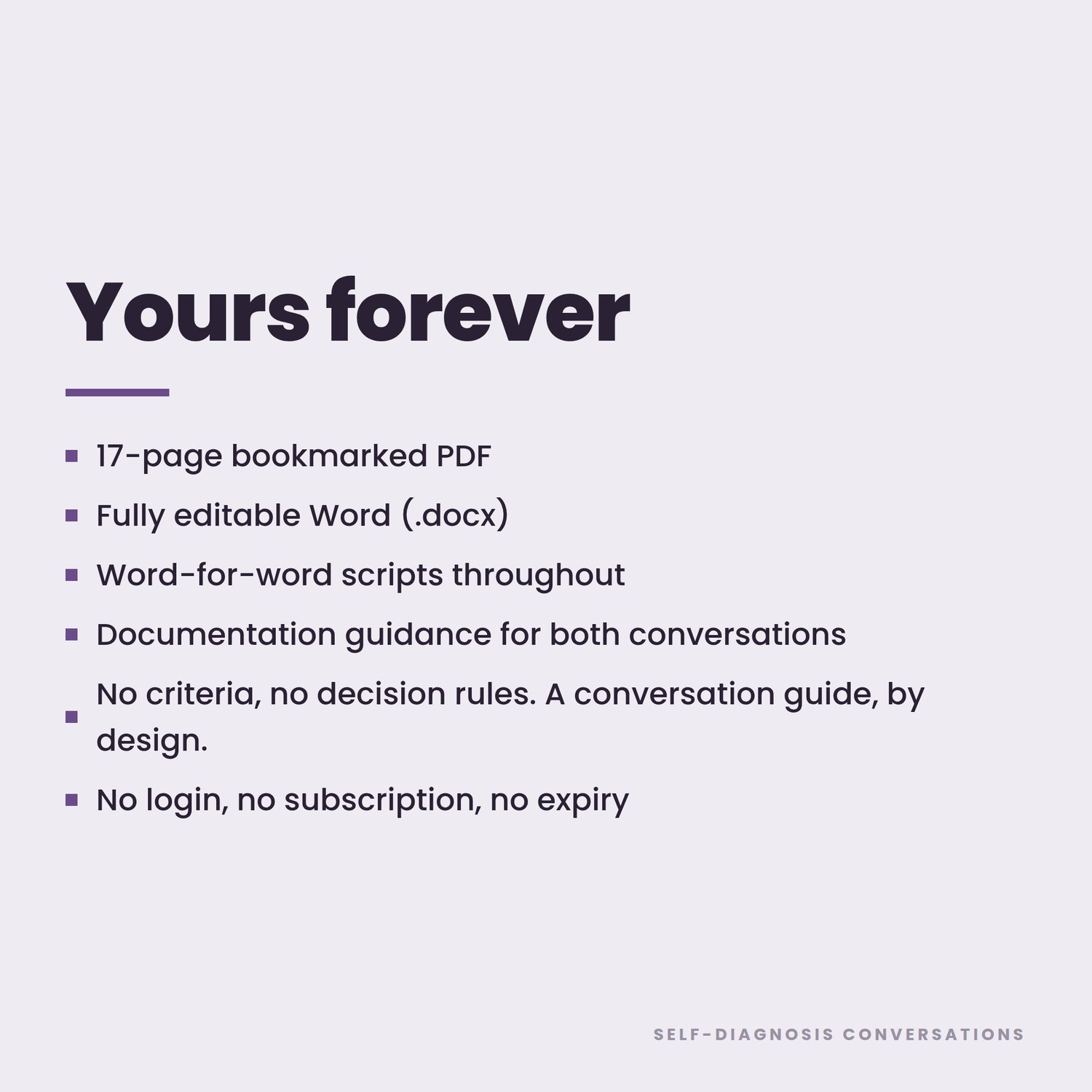
- 17 pages as a bookmarked PDF plus a fully editable Word version.
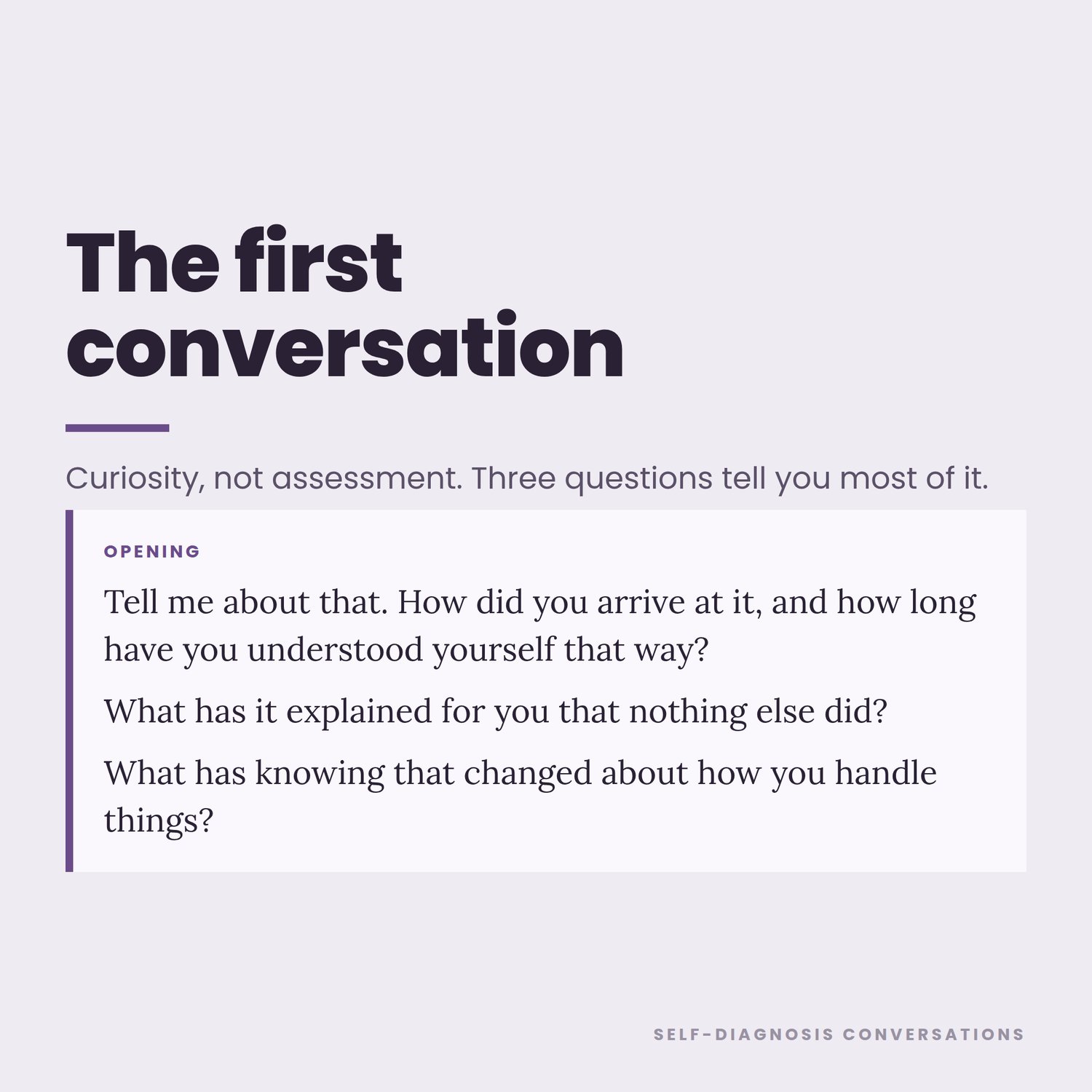
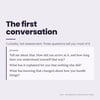
- Word for word scripts for the first conversation, including the three questions that tell you most.
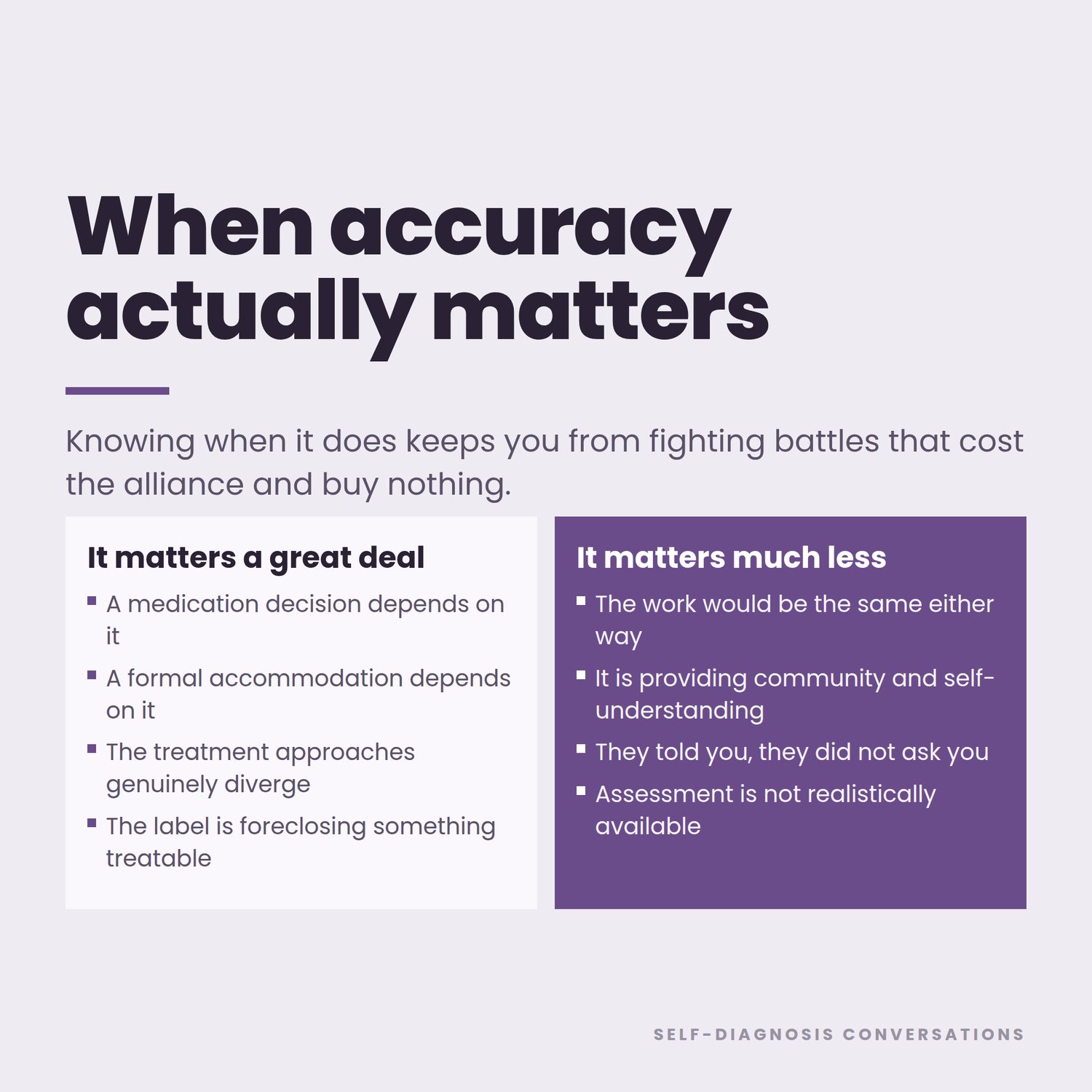
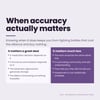
- A framework for when diagnostic accuracy genuinely matters and when arguing about it costs more than it buys.
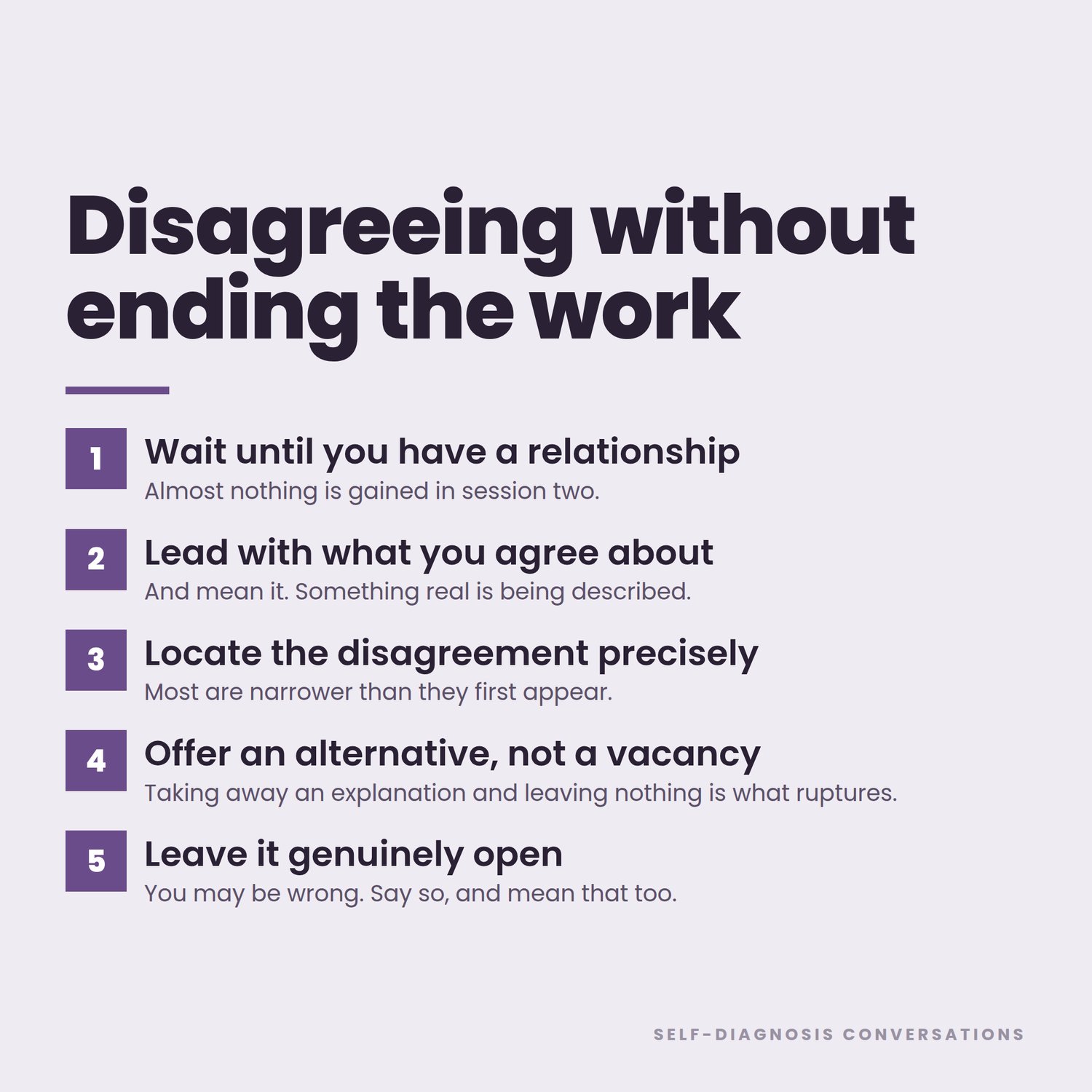
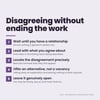
- Scripts for disagreeing without ending the work, in five sequenced steps. Separate scripts for when you agree but cannot formally say so.
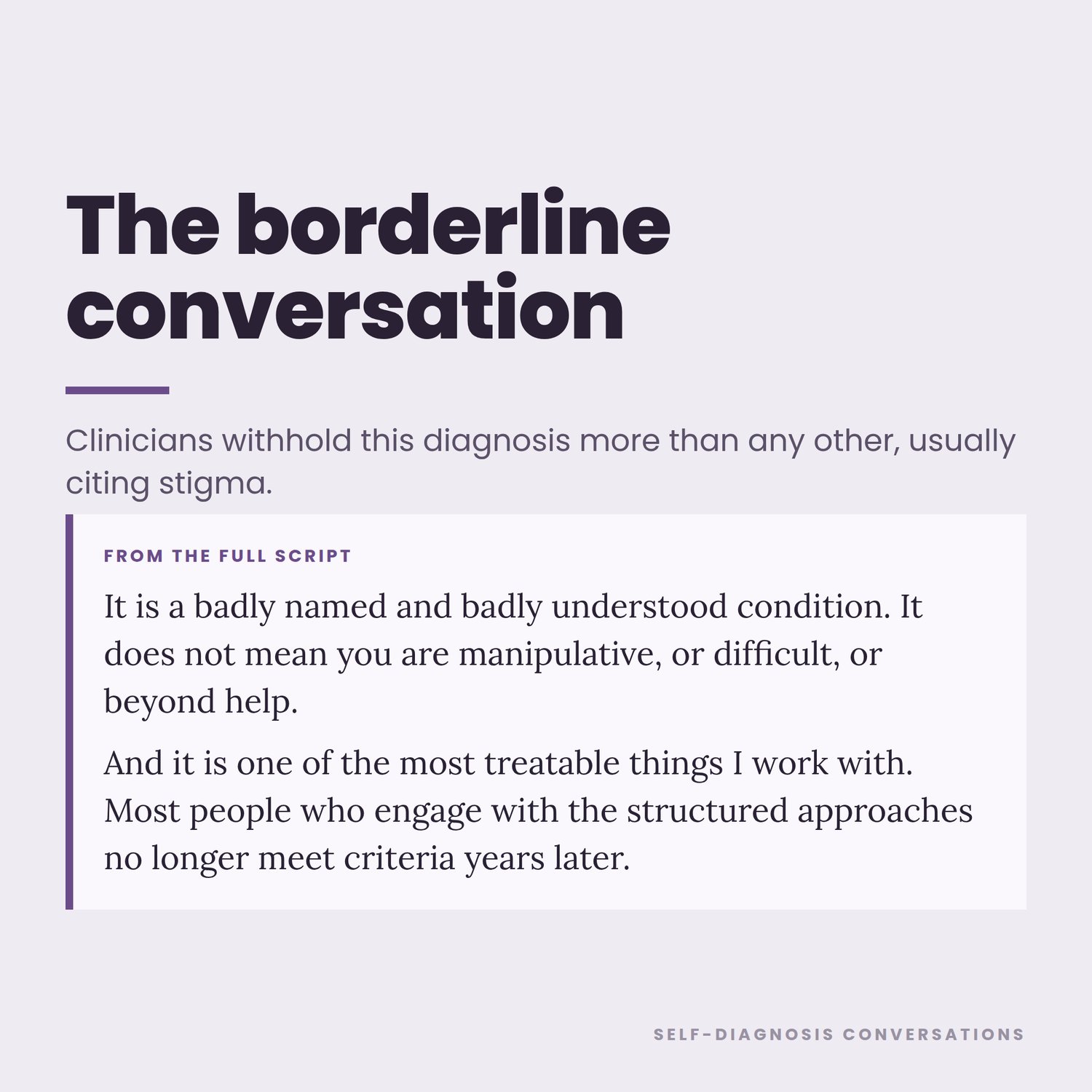
- The full disclosure conversation, with a complete worked script for borderline personality disorder.
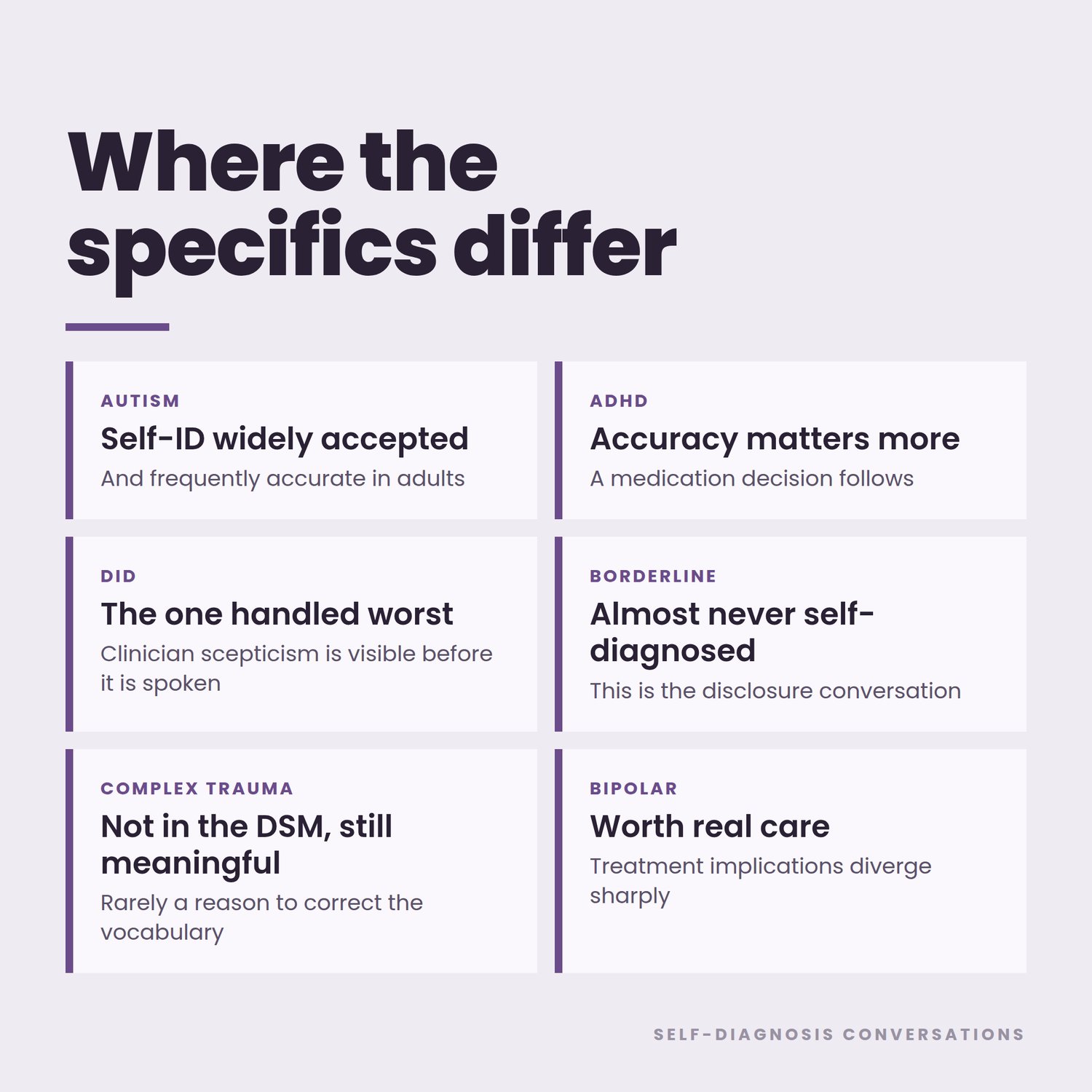
- Condition-specific notes on autism, ADHD, DID, borderline, complex trauma and bipolar.
- How to document both conversations, including the attribution error that then propagates through every record written after it.
- Rupture repair, with an opening script for the session after one went badly.
Who it is for
Practicing clinicians at any level, and particularly anyone in their first few years, where these conversations arrive before the confidence to have them does. Also useful for supervisors. The scripts work as supervision material, and the section on why clinicians avoid the disclosure conversation is worth putting in front of a supervisee who has been carrying a formulation for four months without saying it.
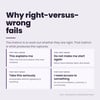
The mistake
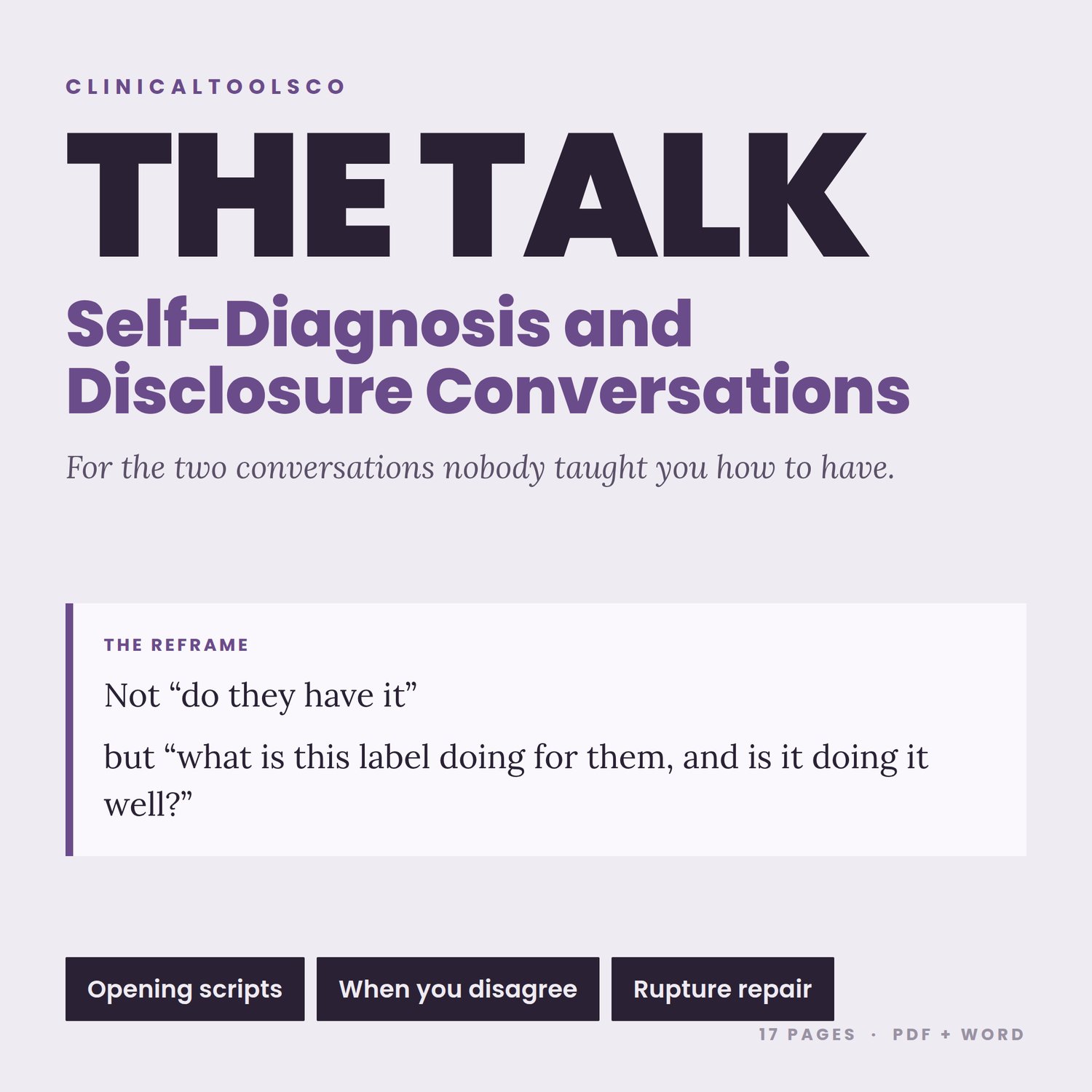
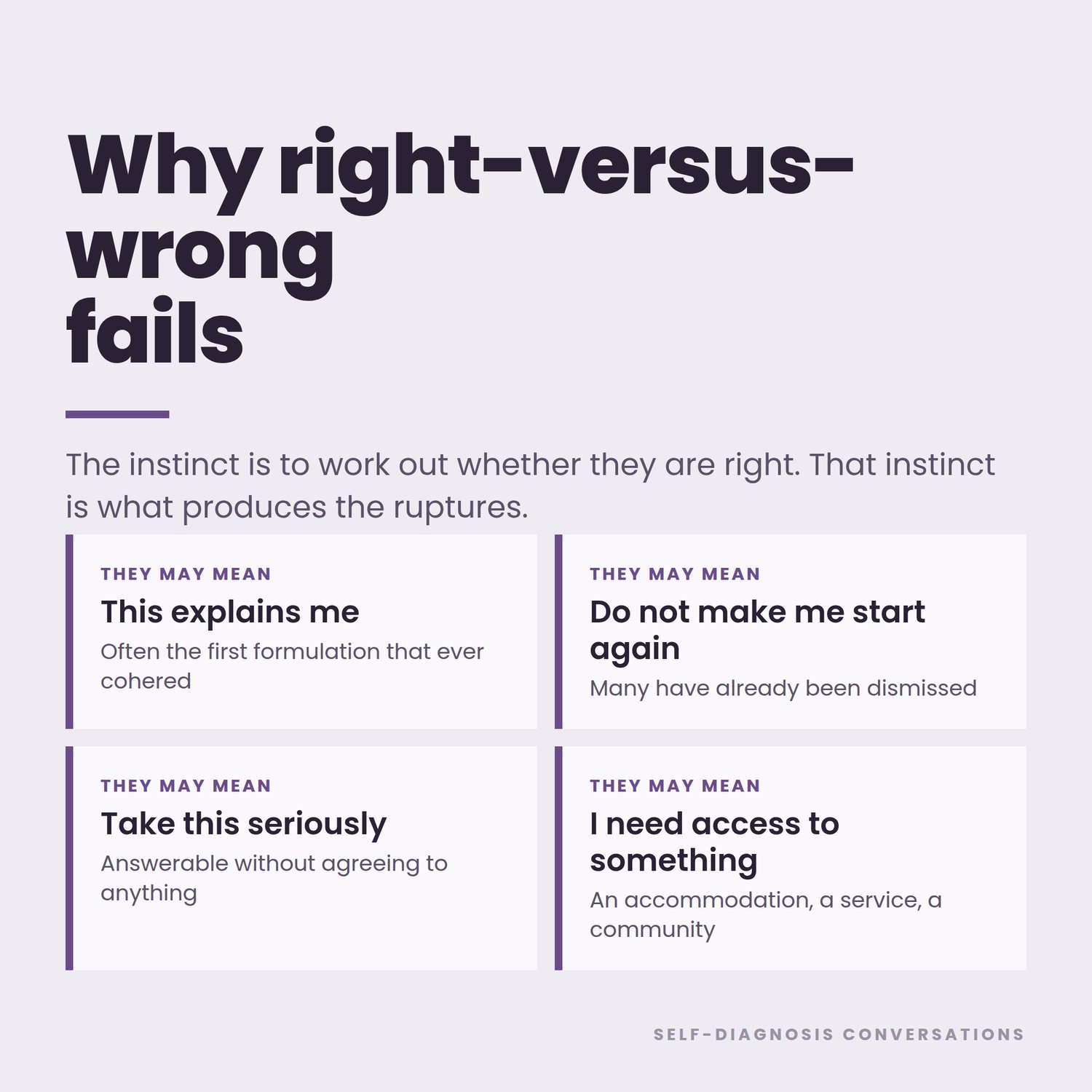
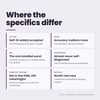
The instinct is to work out whether they are right. That instinct is what produces the ruptures. Neither conversation is actually about who is correct. The better question is what the label is doing for the person and whether it is doing it well. That one is answerable in a first session, commits you to nothing diagnostically, and takes you straight to what is clinically useful.
Where it stands
Self-diagnosis is frequently accurate, particularly for autism and ADHD in adults, in women, and in anyone whose childhood presentation did not match what clinicians were looking for at the time. It is also sometimes wrong, and saying so is not a betrayal of the person in front of you. For a great many people it is the rational response to a system that will not assess them. Telling someone to get properly assessed, without acknowledging that the wait runs to years and the cost is more than they have, sounds responsible and is usually useless.
The borderline section
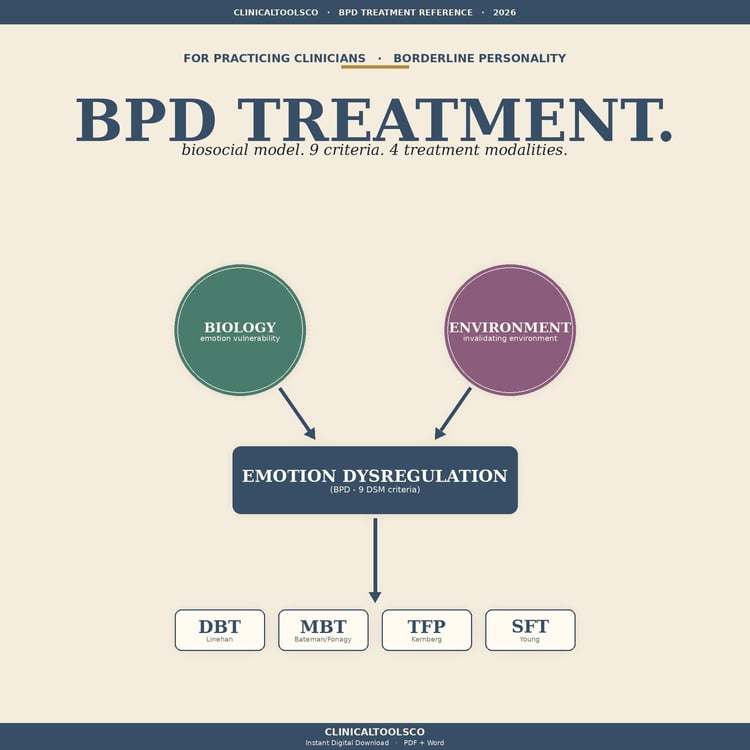
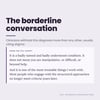
Clinicians withhold this diagnosis more than any other, usually citing stigma. The stigma is real. But the person is often living inside a pattern they experience as personal failure, with no name for it, not knowing it is well characterized, and not knowing it responds to treatment better than most things in the manual. There is a complete script for that conversation and a table of the five reactions you are most likely to get, including the one that surprises clinicians most.
What this is not
Not a diagnostic tool. No criteria, no screening instruments, no decision rules, and no substitute for assessment or supervision. It is a conversation guide. For the diagnostic question itself, use your differential resources and refer on where it matters.
Format
17 page bookmarked PDF plus fully editable Word. US Letter and A4. Works on Mac, Windows, iPad, GoodNotes and Notability. Yours to keep, no login, no subscription, unlimited prints.
Pairs with
The DSM-5-TR Differential Diagnosis Cheat Sheet answers what it is. This one answers how to talk about it. They are deliberately different products and they work well together.