
Treatment Plan Goal Bank by Diagnosis (2026)
A treatment plan goal bank organized by diagnosis code: SMART goals, objectives, interventions and outcome measures, with a master template and a full sample plan.
What is in the goal bank
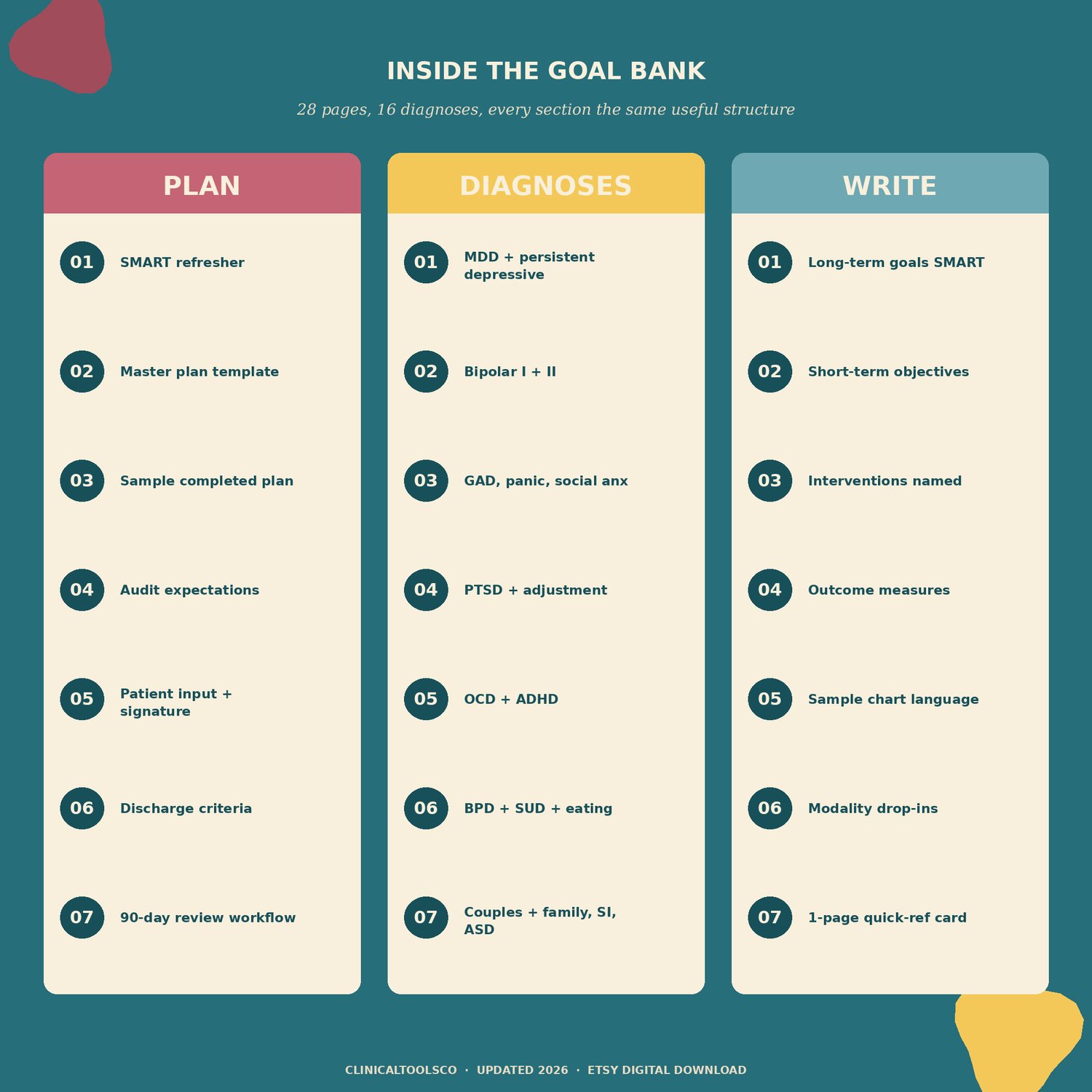
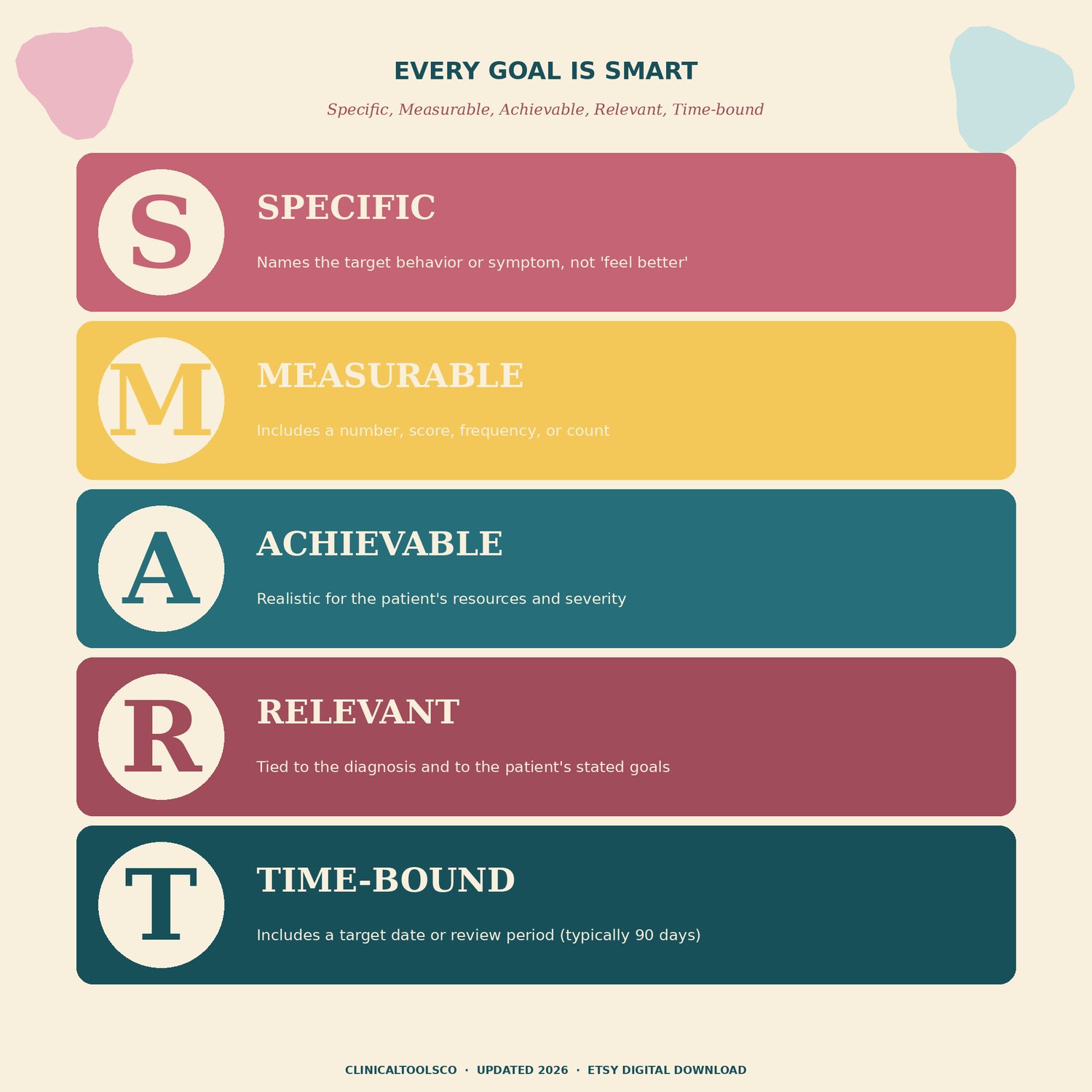
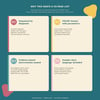
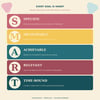
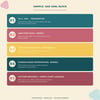
- SMART goals refresher with what auditors expect: specific, measurable, attainable, relevant, time-bound
- Master treatment plan template, blank and ready to fill
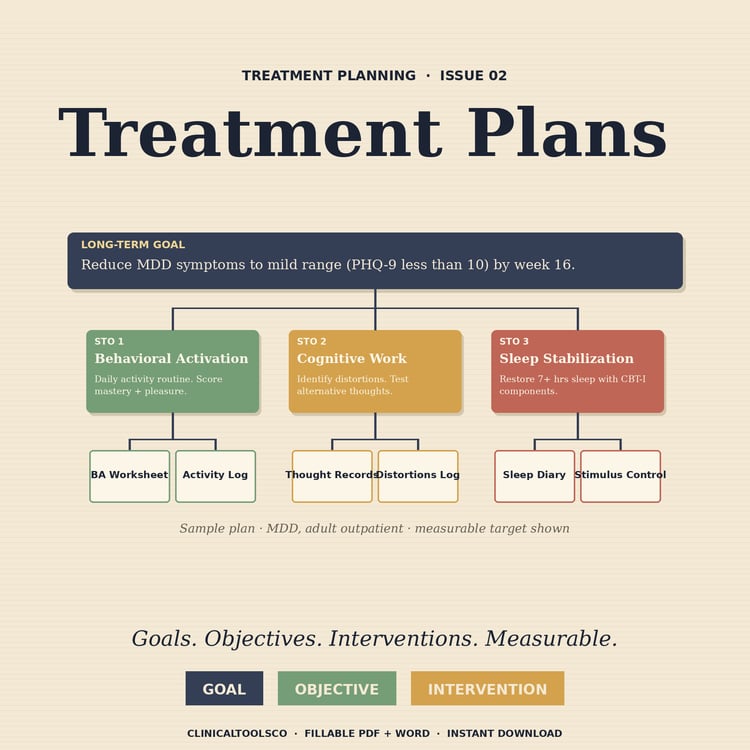
- A full sample completed treatment plan as a clinical exemplar
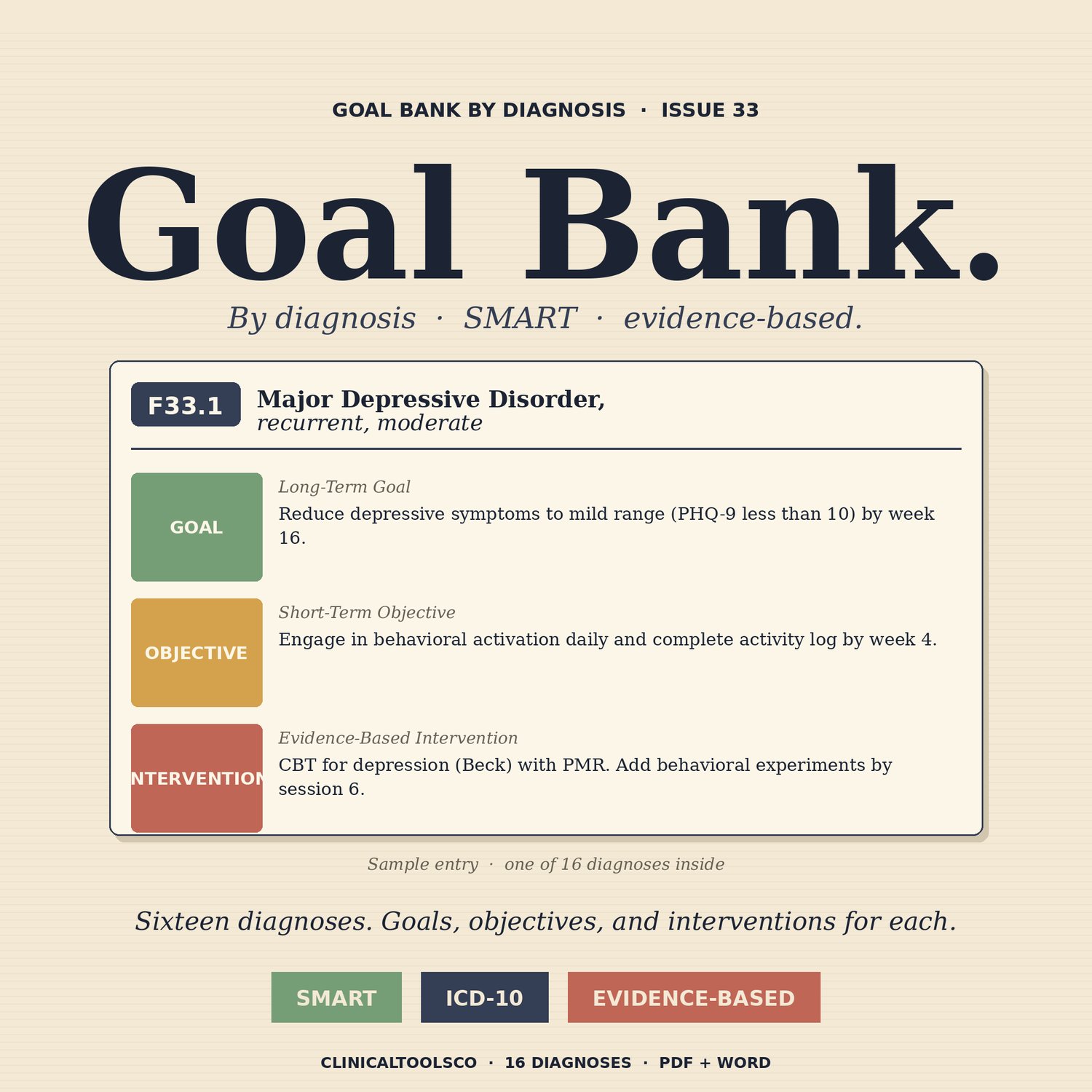
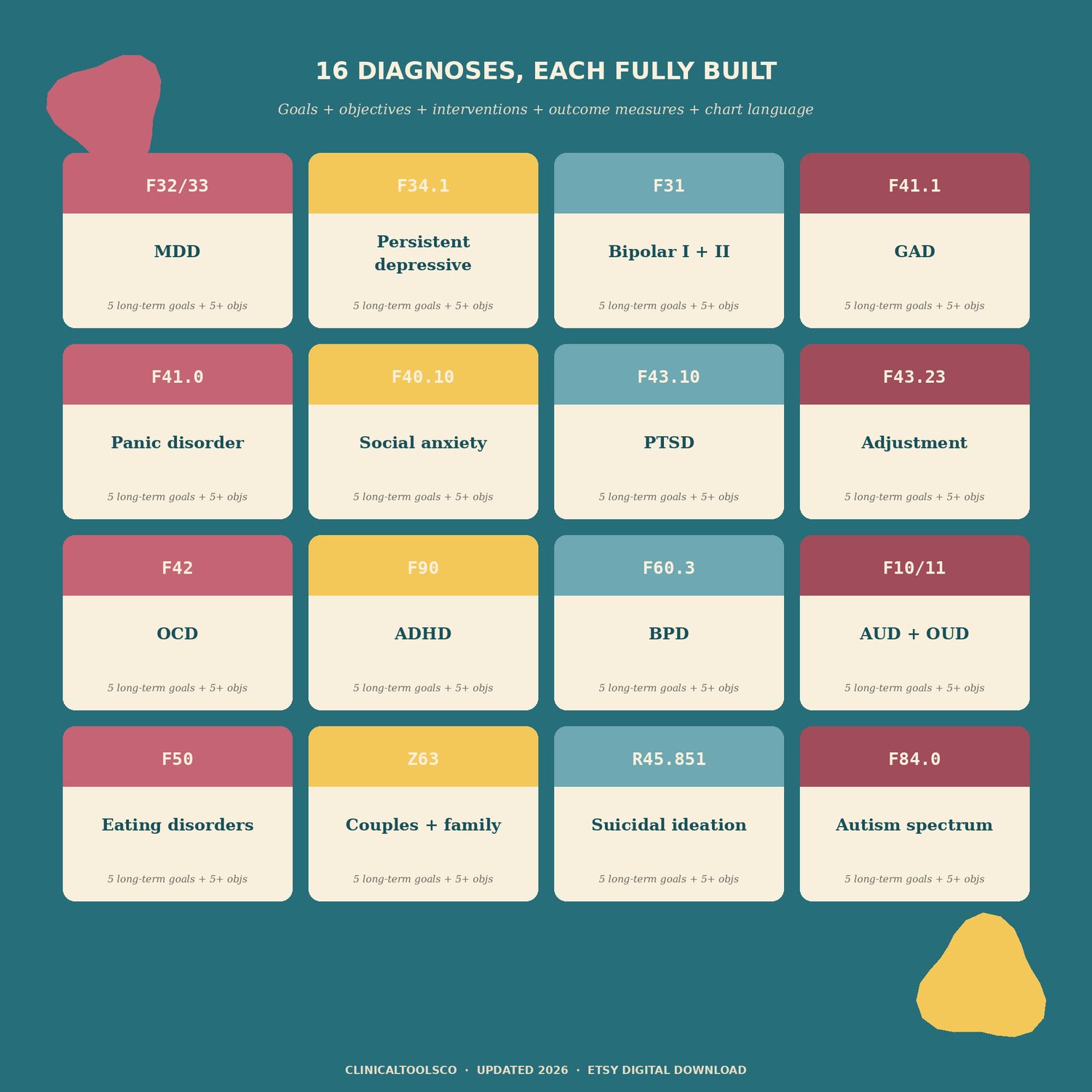
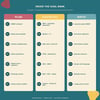
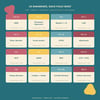
- Goals, objectives, interventions and outcome measures for 16 diagnoses, each self-contained
- F32 and F33 major depressive disorder, F34.1 persistent depressive disorder, F31 bipolar I and II
- F41.1 generalized anxiety disorder, F41.0 panic disorder, F40.10 social anxiety disorder
- F43.10 post-traumatic stress disorder, F43.23 adjustment disorder, F42 obsessive-compulsive disorder
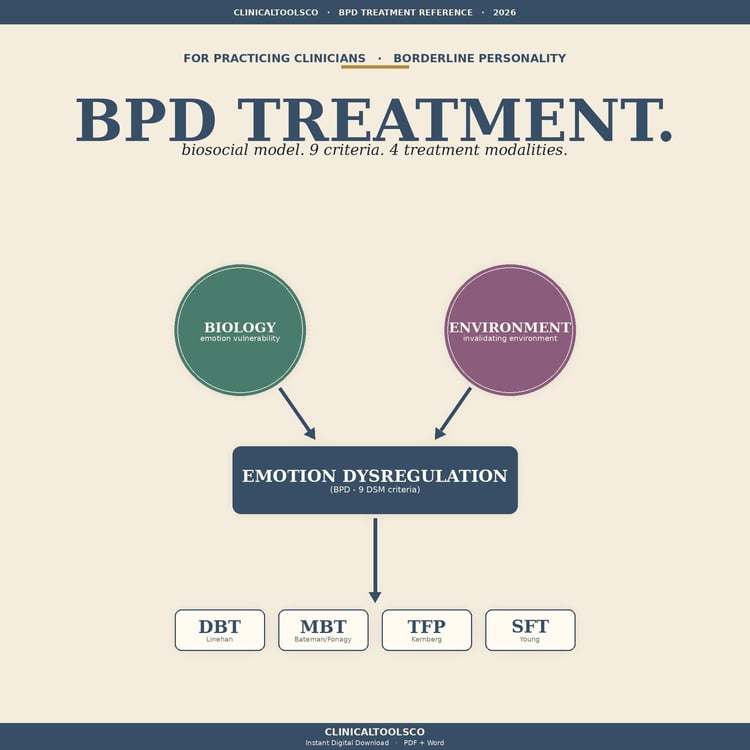
- F90 ADHD, F60.3 borderline personality disorder, F84.0 autism spectrum disorder
- F10 alcohol use disorder and F11 opioid use disorder, F50 eating disorders
- Z63 relational and family problems, plus an R45.851 suicidal ideation treatment plan add-on
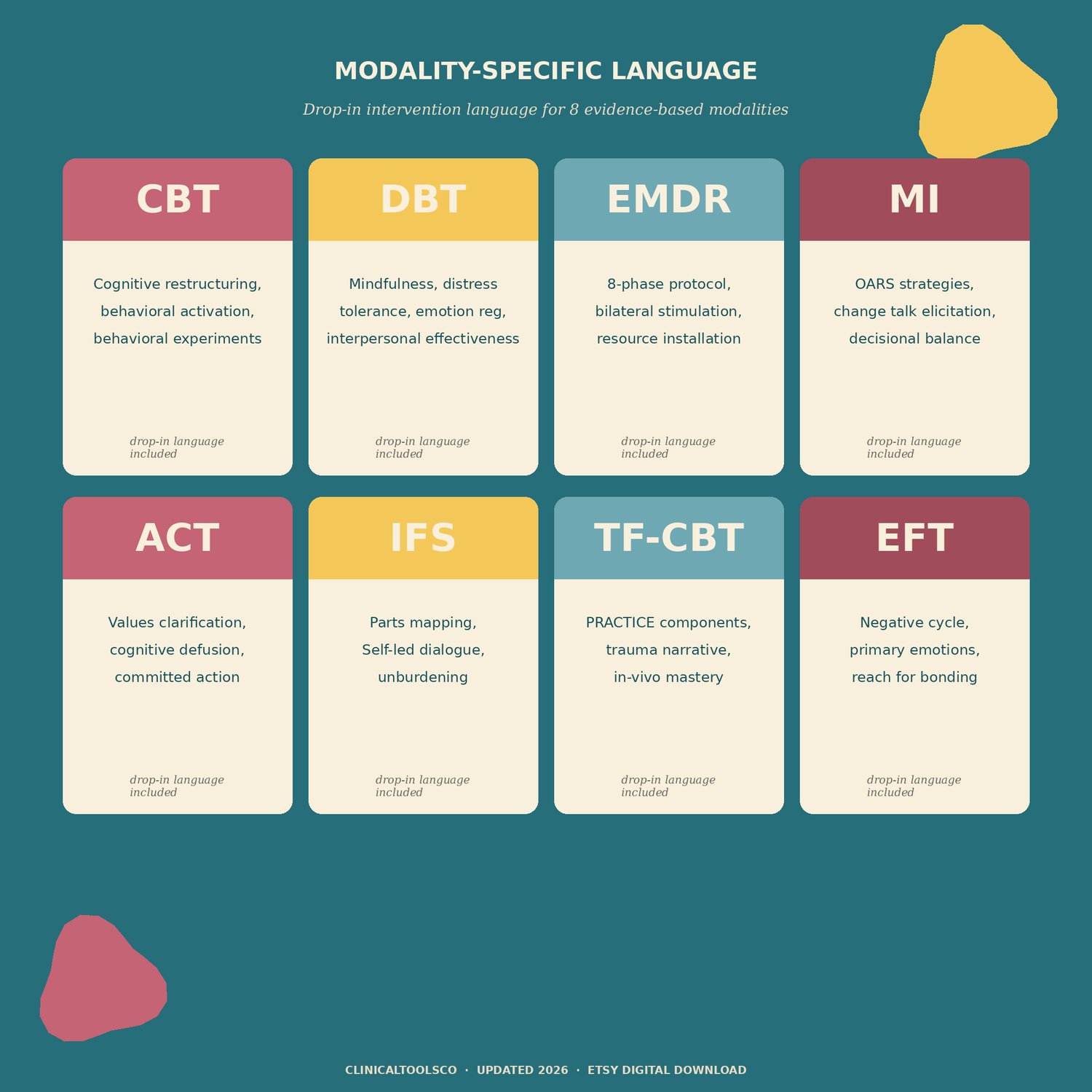
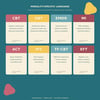
- Modality-specific intervention bank for CBT, DBT, EMDR, MI, ACT, IFS, TF-CBT and EFT
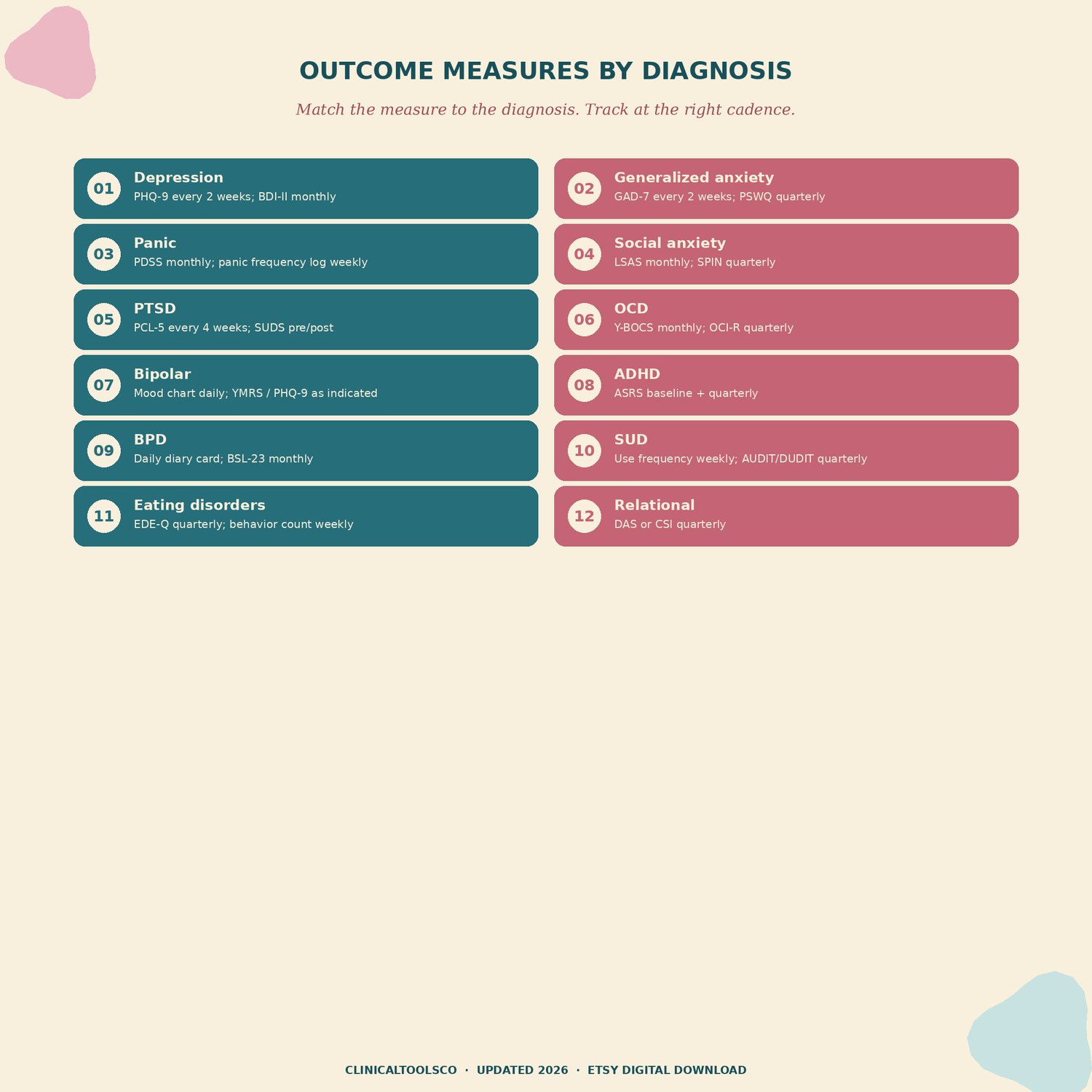
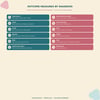
- Outcome measures by diagnosis including PHQ-9, GAD-7, PCL-5, Y-BOCS, AUDIT and EAT-26
- Audit-friendly chart language for goals and objectives
- Treatment plan review and update workflow, plus a quick-reference one-page printable goal-bank card
Who it is for
- Licensed therapists, counselors, social workers and psychologists writing treatment plans in private practice
- Agency clinicians at community mental health centers, integrated care and outpatient programs
- Pre-licensed associates building treatment-planning habits during licensure hours
- Group practice owners standardizing treatment plan quality across clinicians
- Practitioners writing plans for insurance reauthorization or audit response
- Clinical supervisors who want a structured teaching resource for treatment planning
Why it exists
Treatment plans get audited and they get rejected. The most common rejection reasons are vague goals, objectives that cannot be measured, interventions that do not match the diagnosis, and missing outcome measures. The general goal-bank PDFs that circulate online give you 800 generic entries that auditors flag and that do not give you the language you actually need for a depressed adult client, a borderline personality disorder patient on a DBT track, or an adolescent with PTSD.
I put this goal bank together as the desk reference I want every clinician at my practice using. Sixteen common diagnoses with diagnosis-specific goals, objectives, interventions and outcome measures. The SMART framework applied throughout. A full sample completed treatment plan to model from. Modality-specific intervention language so the plan reflects the treatment you actually provide.
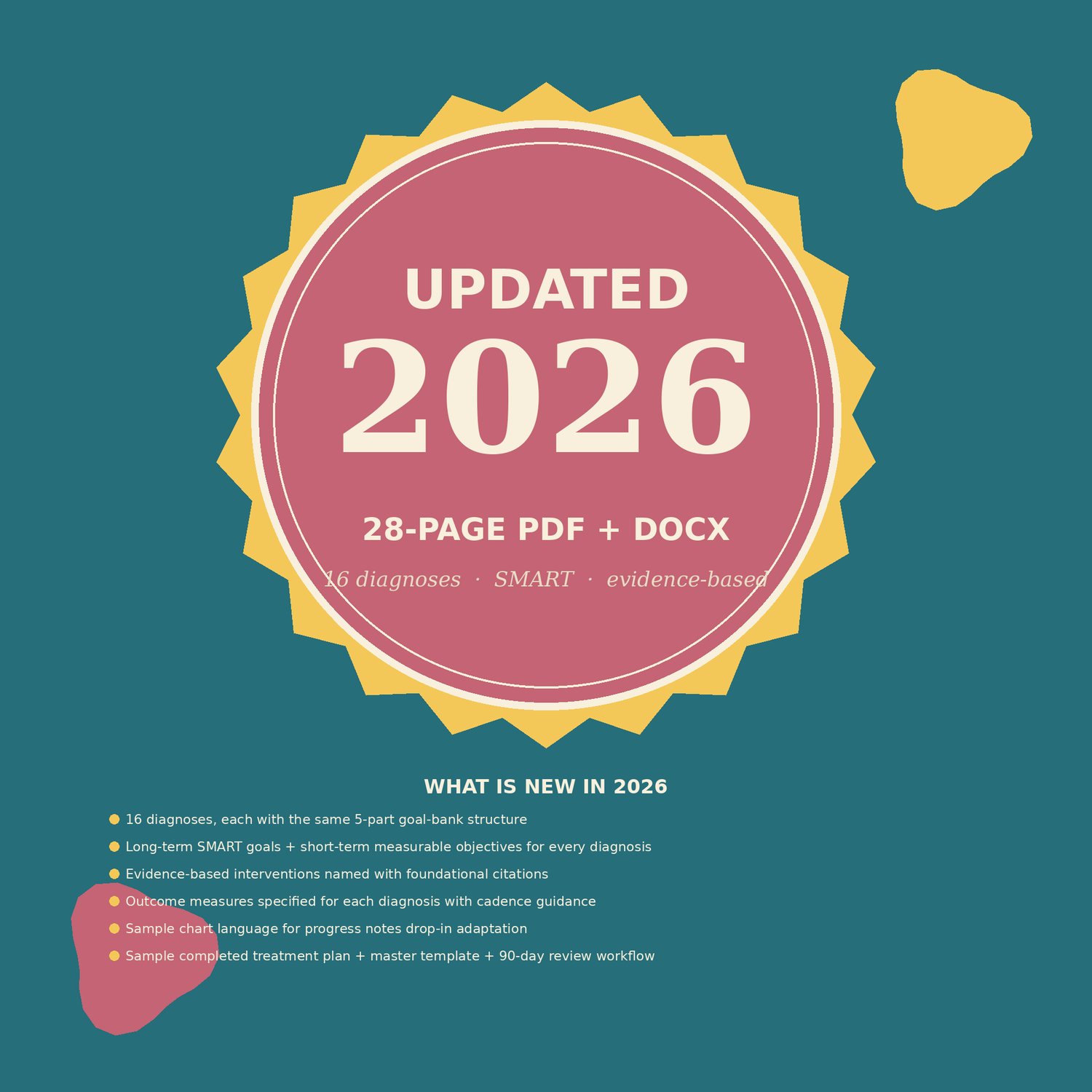
28 pages delivered as PDF and editable Word. Built for therapists, counselors, social workers and psychologists writing treatment plans in private practice, agency, integrated care and group practice settings.
Why this is different
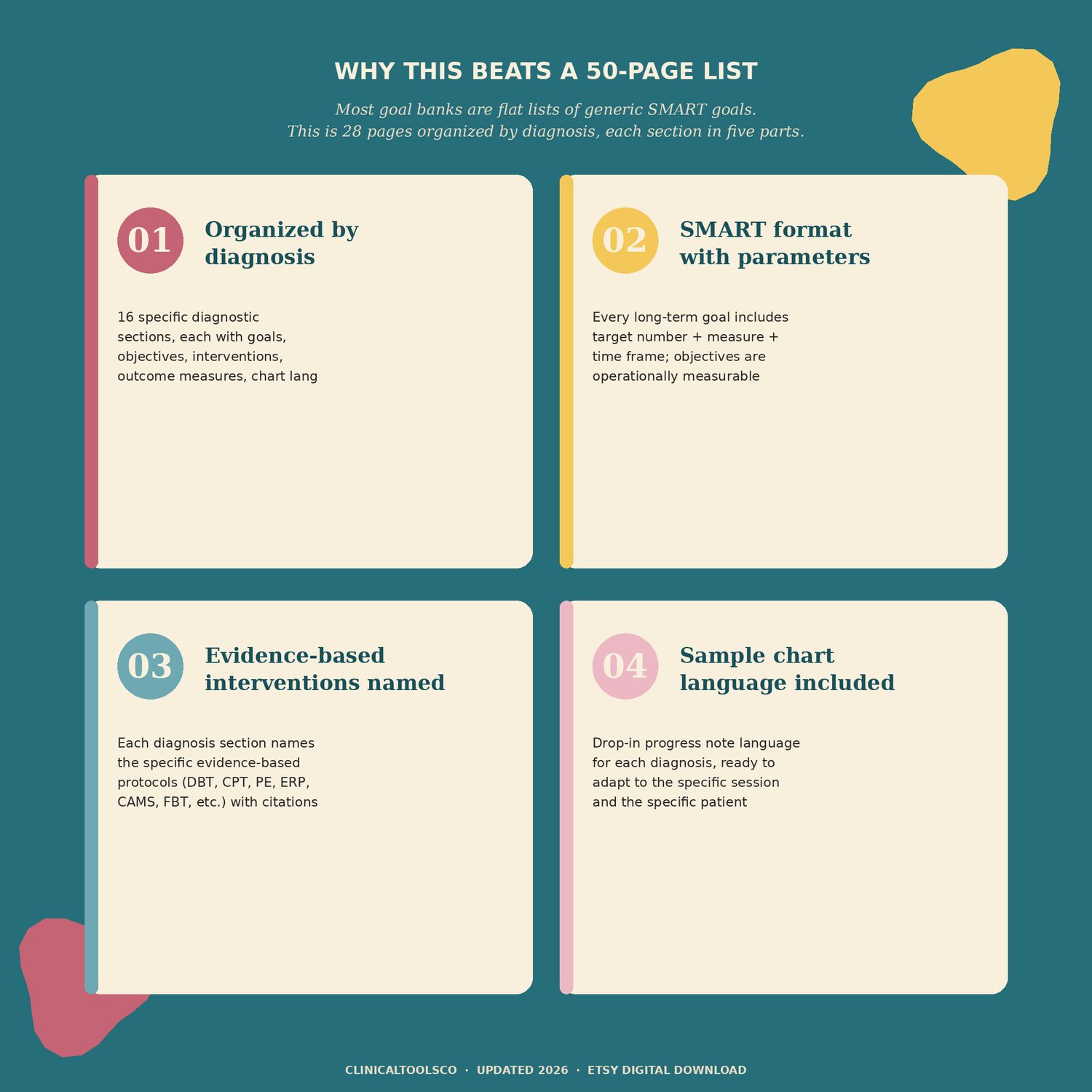
Most goal banks give you a single generic thousand-line list. This one organizes goals by diagnosis with ICD-10 codes, paired with diagnosis-appropriate interventions and outcome measures. You jump to the diagnosis section, copy the goals and objectives that fit your patient, adapt the language, and the plan is written.
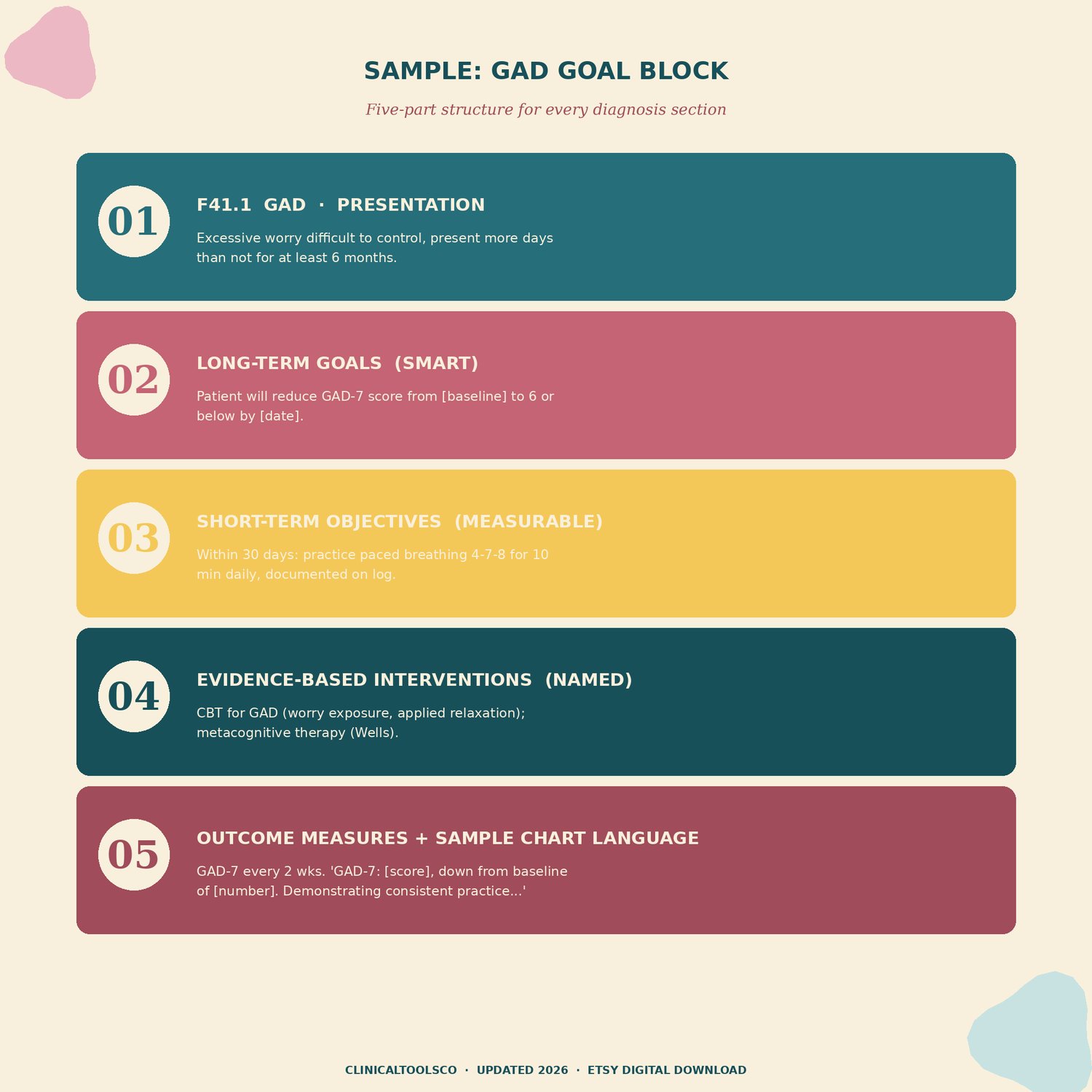
The 16 diagnosis sections matter because goals for major depression look different from goals for OCD, borderline personality disorder, ADHD, alcohol use disorder or an eating disorder. Each section names the typical presenting concerns, the SMART goals that fit, the operationally defined objectives, and the evidence-based interventions you would use.
The sample completed treatment plan matters because clinicians ask what a strong plan looks like more than any other question. The exemplar runs through goal selection, objective specification, intervention naming, frequency and outcome measure tracking at the level of detail an auditor would approve.
The modality-specific intervention bank matters because the plan should reflect the treatment. CBT interventions, DBT skills, EMDR phases, MI techniques, ACT processes, IFS work, TF-CBT components and EFT moves are all named in language that maps to real treatment.
The outcome measures section matters because reauthorization and audit reviewers look for measurement-based care. Each diagnosis is paired with the standard instruments and the typical scoring intervals.
Format
- 28-page goal bank as PDF
- Same goal bank as editable Microsoft Word (.docx)
- US Letter and A4 sizes both included
- Works on Mac, Windows, iPad, Google Docs, Pages
- Lifetime access, unlimited prints
Updated 2026
Reflects ICD-10-CM 2026 diagnosis codes for the 16 conditions covered, current DSM-5-TR diagnostic vocabulary, current evidence-based intervention language across CBT, DBT, EMDR, MI, ACT, IFS, TF-CBT and EFT, current outcome measurement instruments and scoring intervals, and current commercial payer and Medicare treatment plan documentation expectations.
A note from the designer
I am a practicing clinician. I built this goal bank after watching treatment plans get rejected for vague goals and missing measures over and over. The diagnosis-by-diagnosis structure is the structure I actually use when writing plans. The modality-specific intervention bank is the language that distinguishes a plan reflecting real treatment from a plan that reads as boilerplate.
A strong treatment plan is specific, measurable, diagnosis-appropriate and audit-ready. This goal bank gives you the language to write one in minutes rather than hours.
Digital download. No physical product ships. Reach out by email if anything does not work or if you have questions.
Free video lesson: how to write treatment plan goals by diagnosis, with a look inside before you buy.