




Termination and Discharge Toolkit (2026)
A termination and discharge toolkit: a planned termination playbook, a final session guide, planned and premature termination letters, and patient abandonment risk guidance.
What is in the bundle
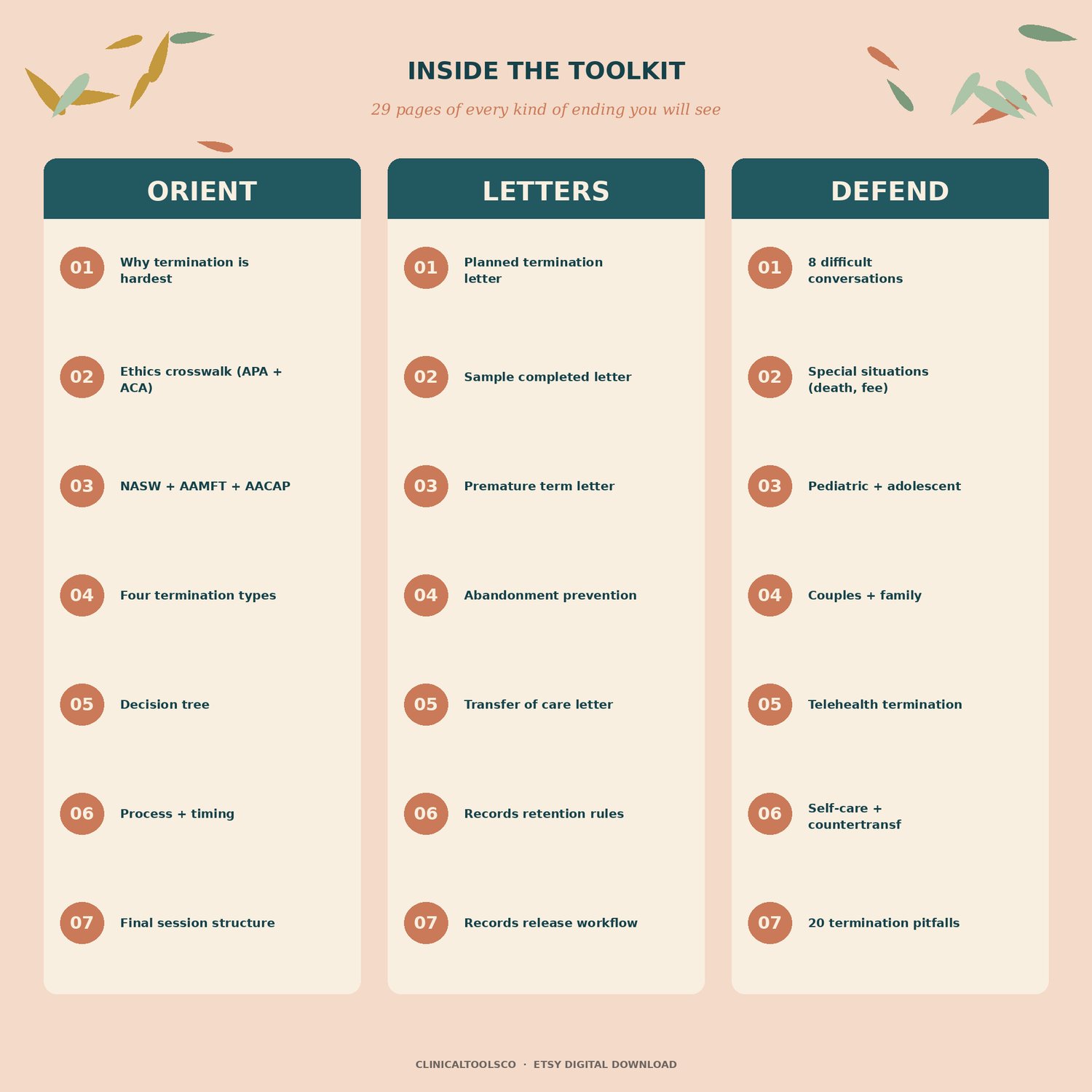
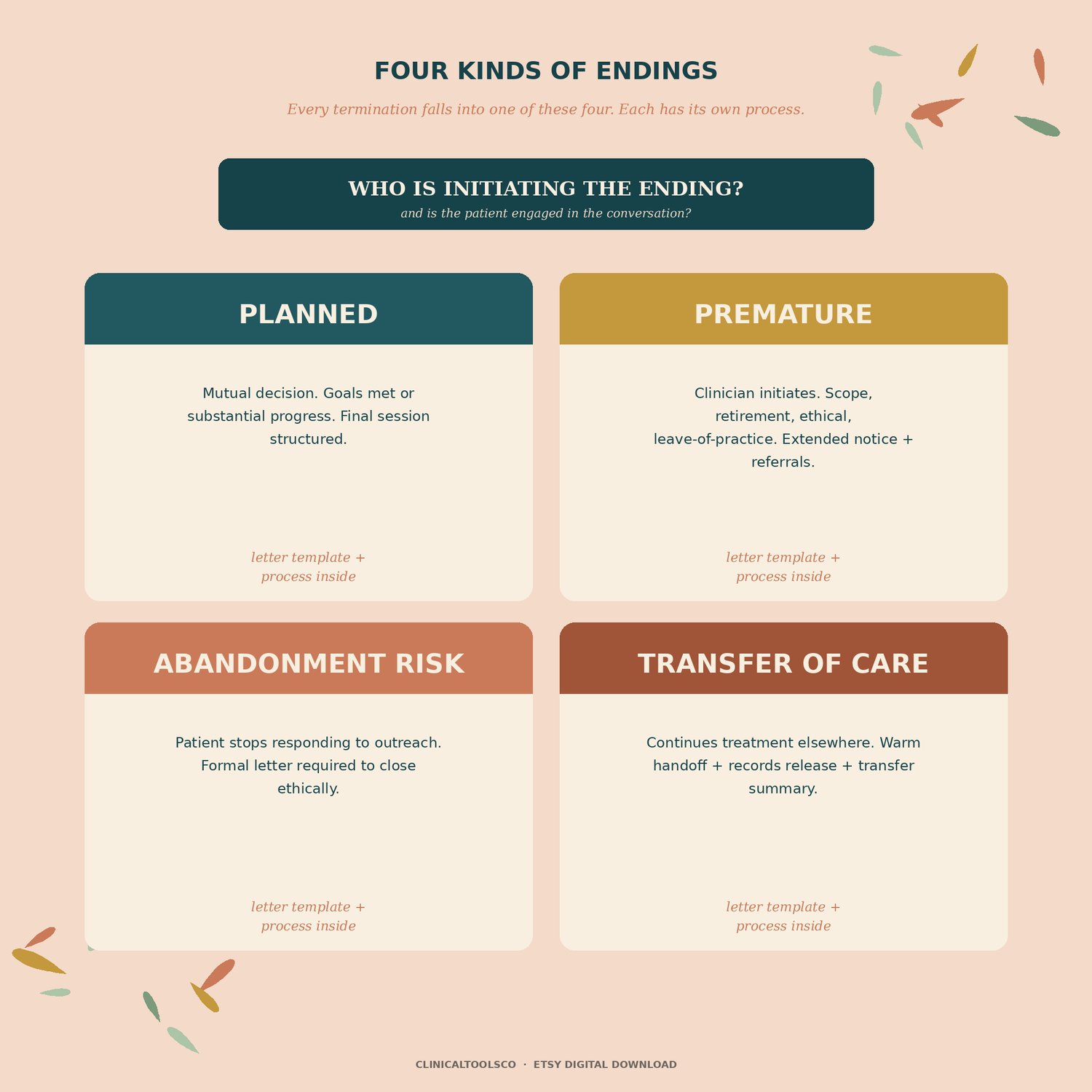
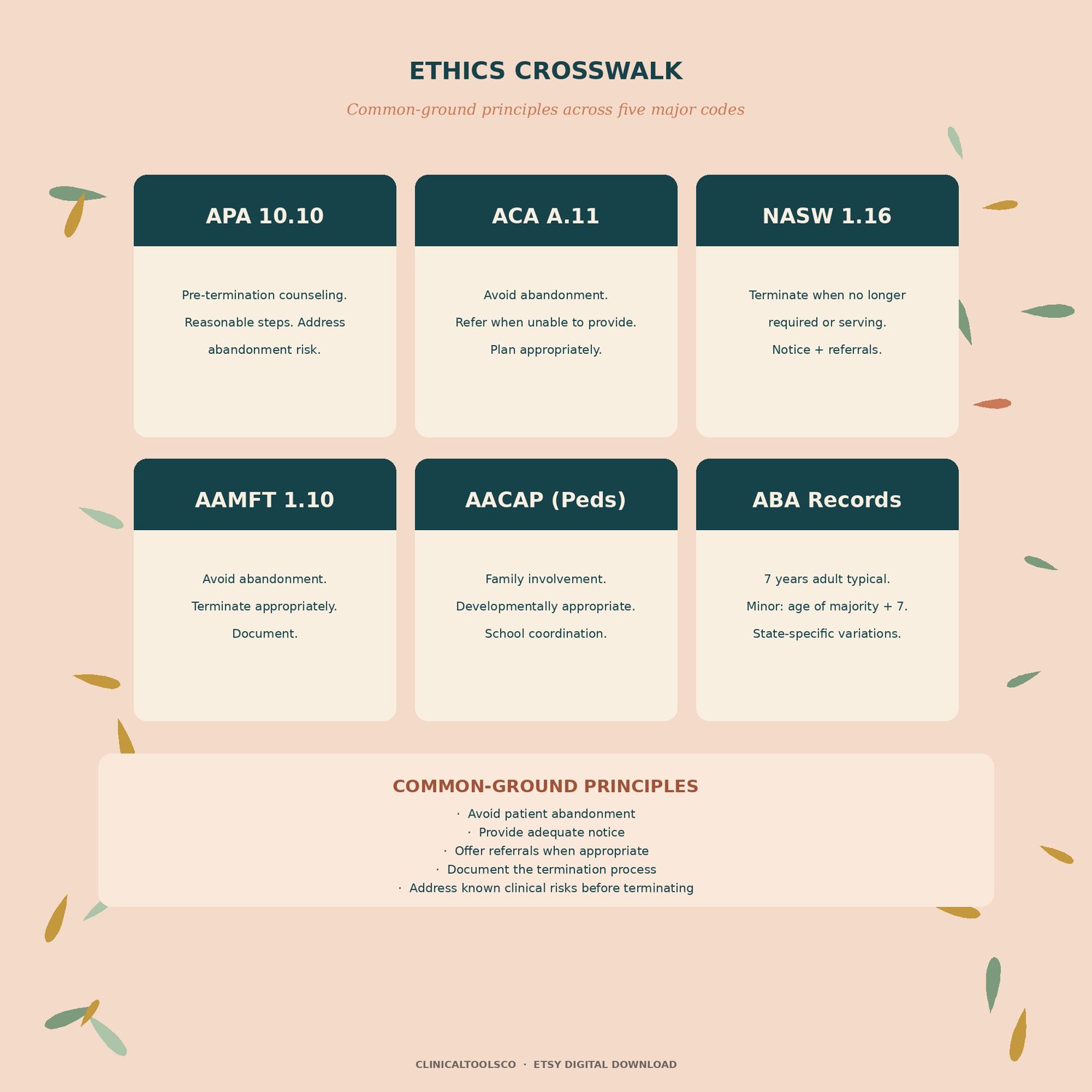
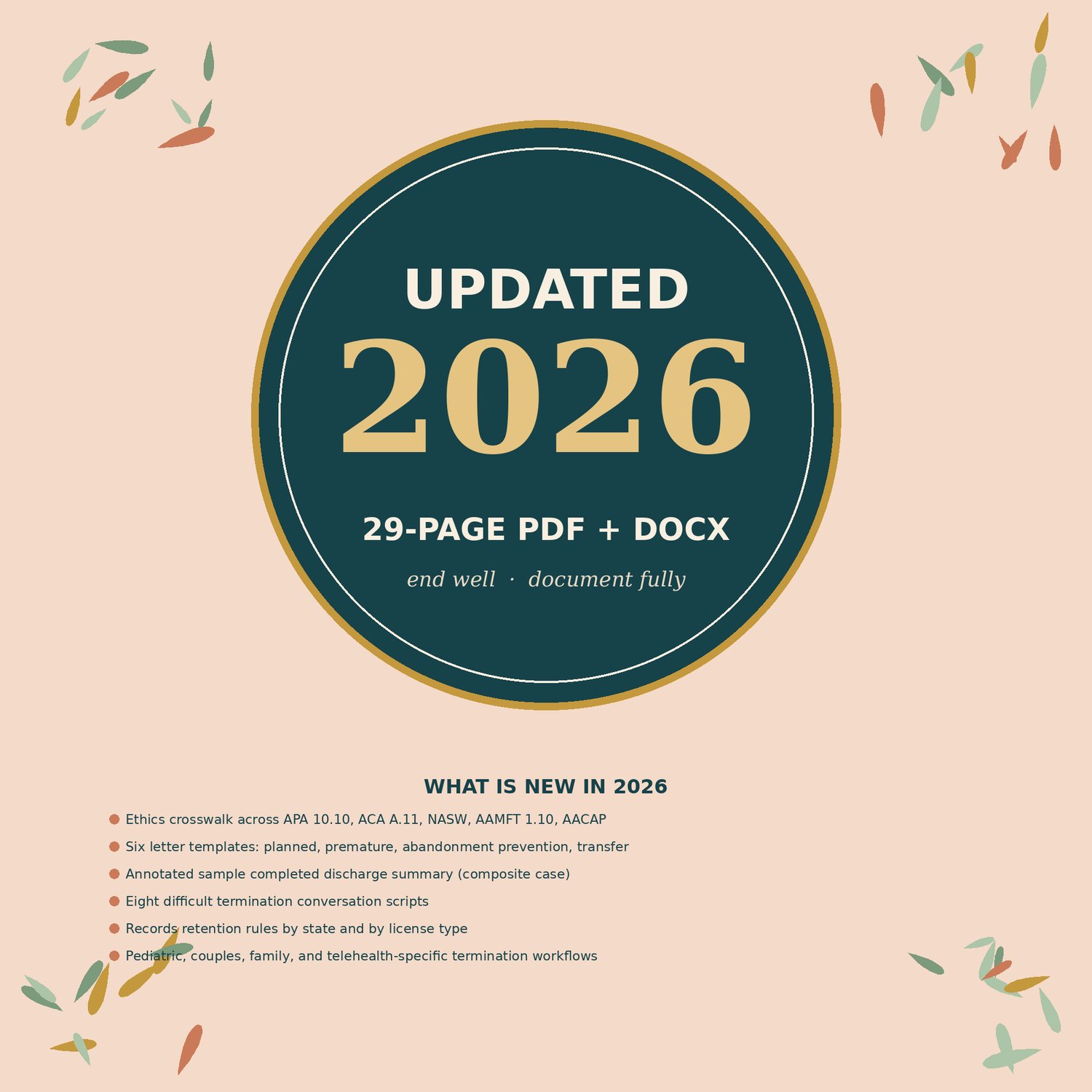
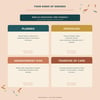
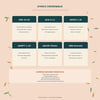
- Orientation: how to use it, why termination is the highest-risk phase of clinical work, an ethics standards crosswalk (APA 10.10, ACA A.11, NASW 1.16, AAMFT 1.10, AACAP, records retention), and the decision tree for the four kinds of endings
- Planned termination playbook: when to start the conversation, the four-phase timeline, and session-by-session targets for short, medium and long-term cases
- Final session structure guide: full agenda, sample opening and closing language, and the documentation list for what goes in the chart right after
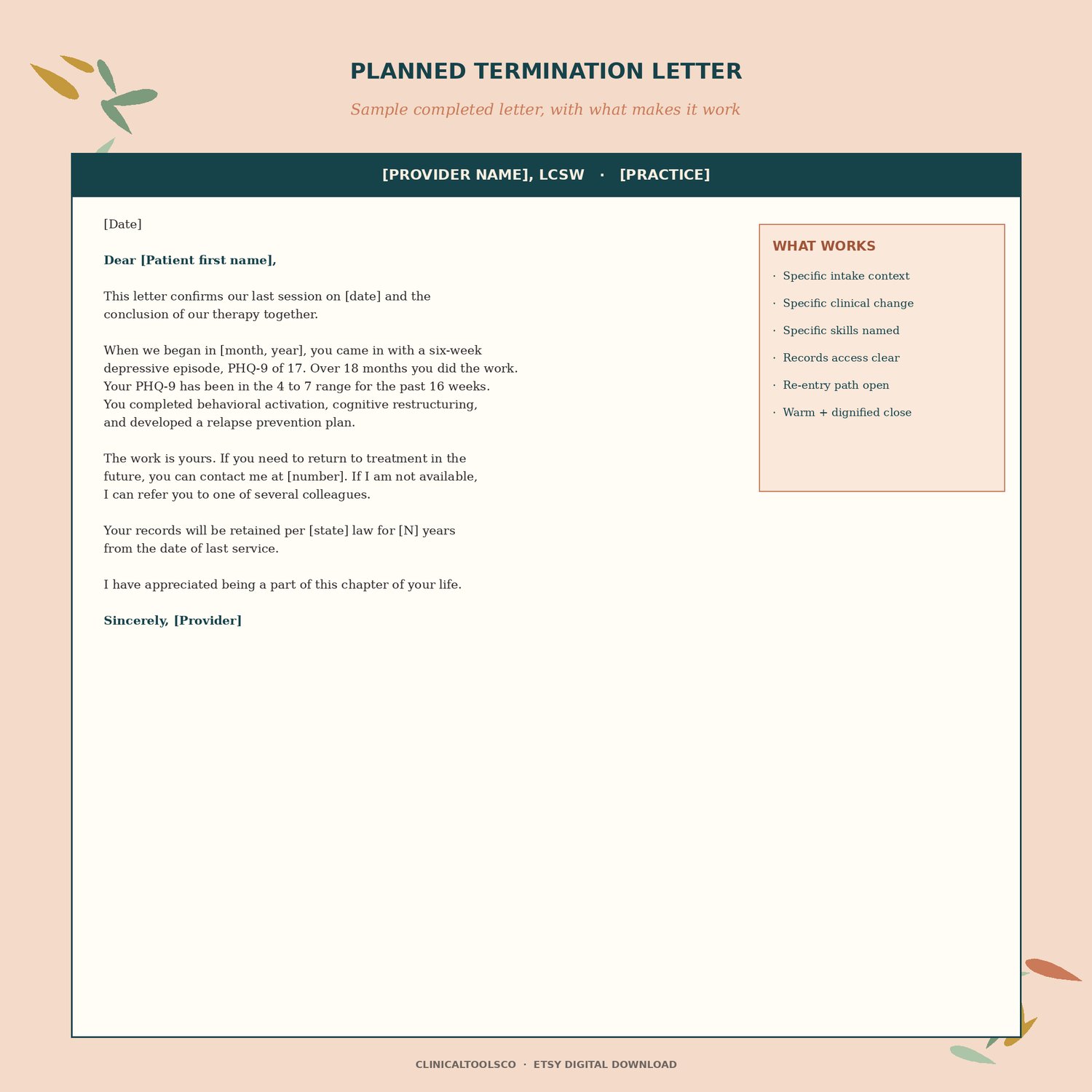
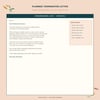
- Planned termination letter template with a composite filled-in example based on an 18-month major depression case
- Premature termination process: the eight-step workflow for clinician-initiated endings, including retirement, relocation, scope change, ethical concern and sustained non-engagement
- Premature termination letter template with referral block and crisis-resource language
- Patient abandonment risk and prevention: the week-by-week outreach workflow when a patient stops responding, and the criteria for when to involve emergency services
- Abandonment prevention letter template with a full chart documentation checklist
- Transfer of care: when transfer is the right move, the warm handoff workflow, and when transfer alone is not enough, plus the transfer letter template with the clinical content a receiving provider expects
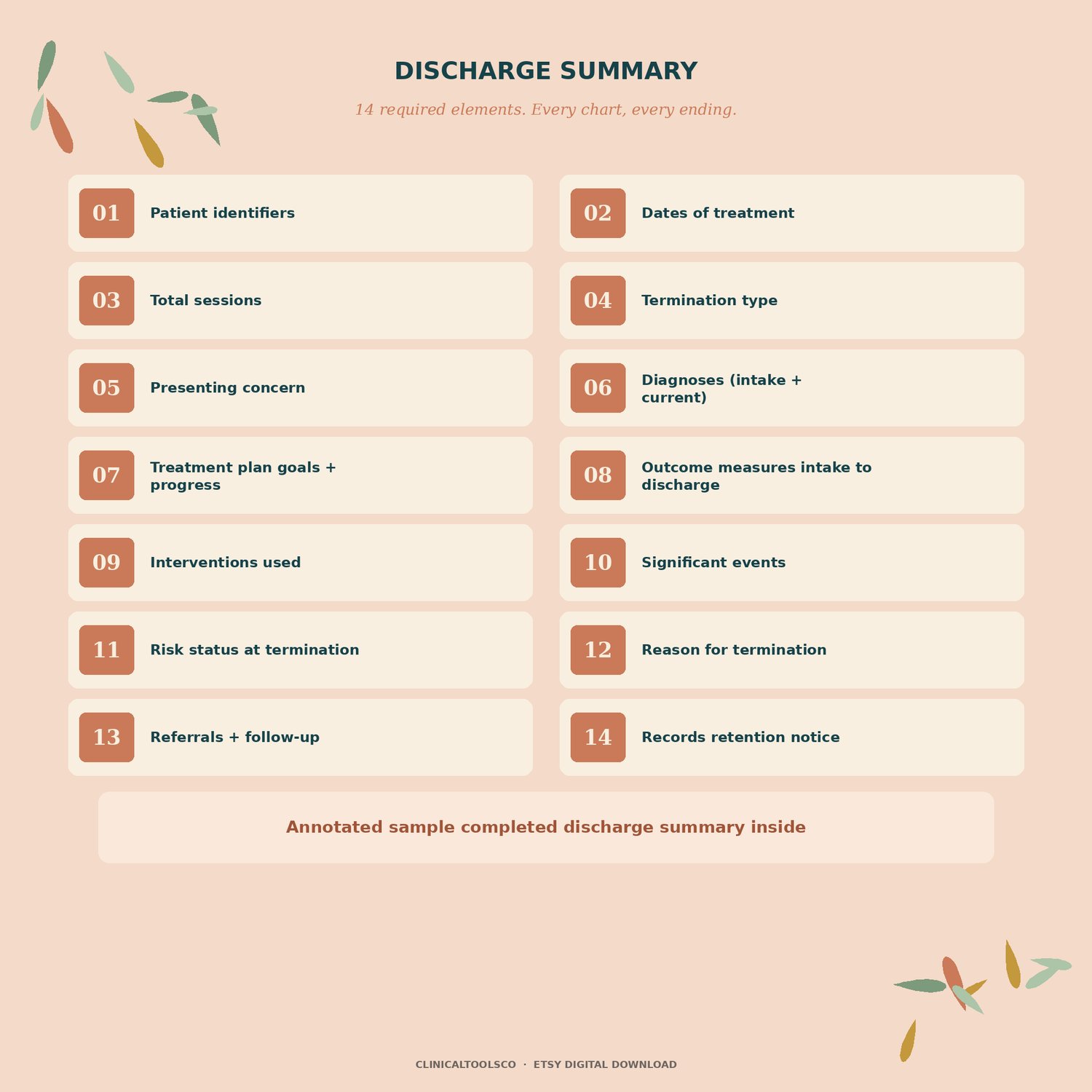
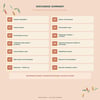
- Discharge summary required elements and full template covering identifiers, dates, diagnoses at intake versus discharge, treatment plan goal progress, outcome measures, interventions, risk status, referrals and records retention
- Sample completed discharge summary from a composite 18-month case with PHQ-9, GAD-7 and DAS-7 trends, named modalities and a follow-up plan
- Records retention by state and by license: adult, minor (age of majority plus seven), Medicare and Medicaid benchmarks, plus successor planning notes and a destruction-log reminder
- Records release after termination: HIPAA workflow, psychotherapy notes special protections, test data release and minor records
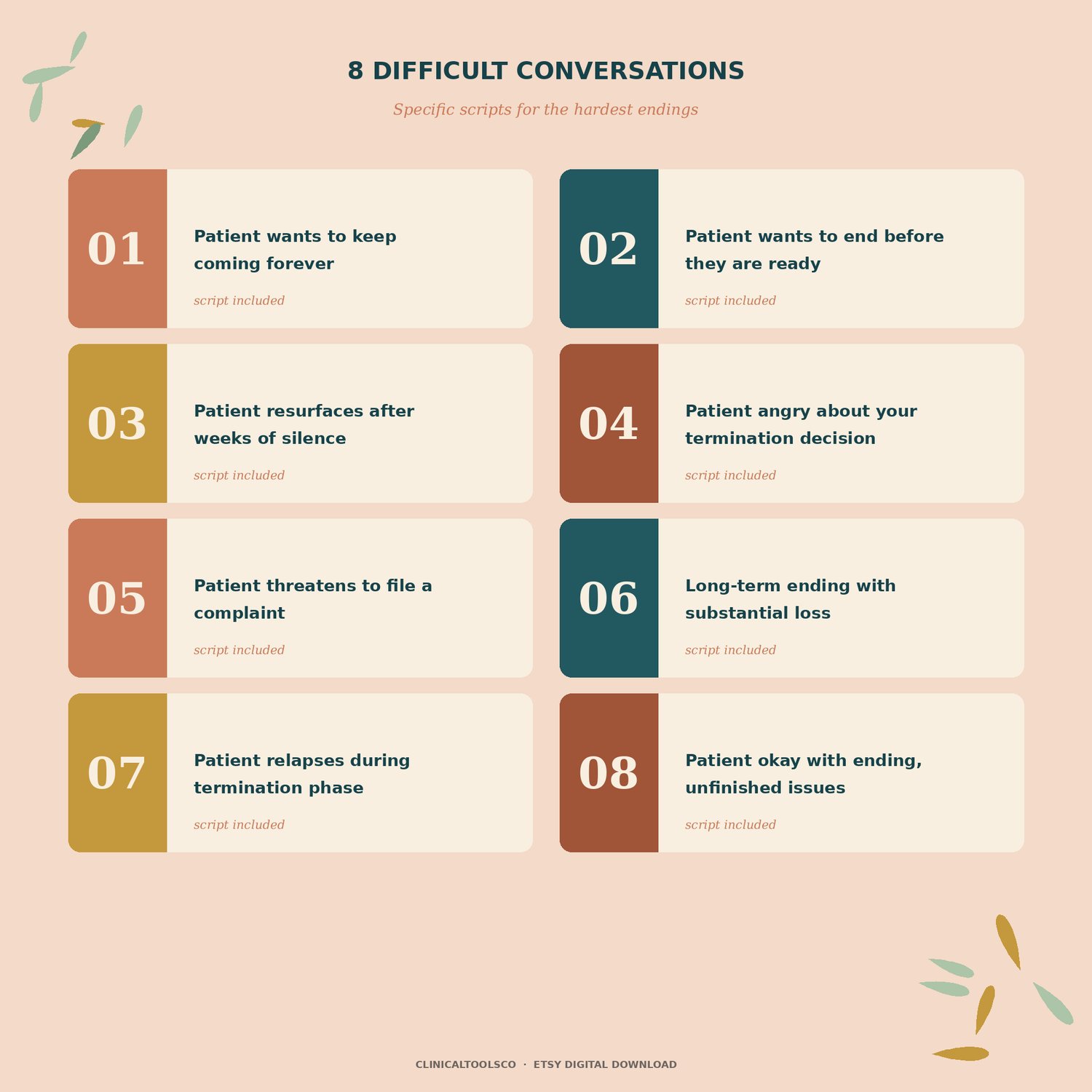
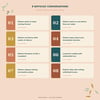
- Eight difficult termination conversation scripts covering the patient who wants to stay forever, the patient who wants to leave too soon, the patient resurfacing after weeks of silence, the angry patient, the patient threatening a board complaint, long-term ending grief, relapse during the termination phase, and unfinished issues
- Special situations: patient death during treatment, fee dispute, boundary issue raised by the patient, court involvement and custody cases, and crisis at termination
- Pediatric and adolescent termination: family involvement, developmental level, school coordination, IEP and 504 handoff, and transition to an adult provider
- Couples and family termination, including the asymmetric case where one partner wants to end and the other does not, plus conflict-of-interest rules after termination
- Telehealth-specific termination: out-of-state moves, licensure compact handling, permanent versus temporary relocation, and secure records release
- Clinician self-care and countertransference at endings, with consultation triggers and post-termination boundary guidance
- Twenty termination pitfalls and malpractice considerations, plus a one-page quick-reference termination card
Who it is for
- Psychologists (PhD, PsyD) in independent practice, group practice or agency settings
- Licensed clinical social workers at any caseload size
- Licensed mental health counselors and professional counselors
- Marriage and family therapists
- Psychiatrists and psychiatric nurse practitioners doing therapy or running outpatient practices
- Pre-licensed clinicians, postdocs, interns and trainees building their first termination process
- Group practice owners standardizing termination across associates
- Clinical supervisors teaching termination to supervisees
- Telehealth clinicians dealing with out-of-state moves and licensure boundary cases
Why it exists
The patient missed three sessions and stopped answering messages. The chart is still open. Your supervisor asks how you closed it, and you realize you did not, because nobody taught you how.
Termination is the part of clinical work that creates the most malpractice exposure and the part graduate programs barely cover. I built this toolkit after an early abandonment scare, when a high-risk patient went silent for three weeks and I had no written process for closing the chart in a way that would hold up to a board complaint.
44 pages of letter templates, scripts and decision tools covering every kind of ending you will see in outpatient practice. Six letter and summary templates, a sample completed discharge summary based on a composite 18-month case, eight difficult-conversation scripts, and a state-by-state records retention reference. Written by a practicing clinician for licensed clinicians and supervised pre-licensed staff.
Includes a Discharge Statement Bank by Disposition as a separate companion file. It gives ready-to-adapt reason, progress, prognosis and aftercare language for eight ending types (goals met, maximum benefit, client-initiated, loss of contact, higher level of care, referral out, provider-initiated, administrative), plus a disposition selector, in editable PDF and Word.
Why this is different
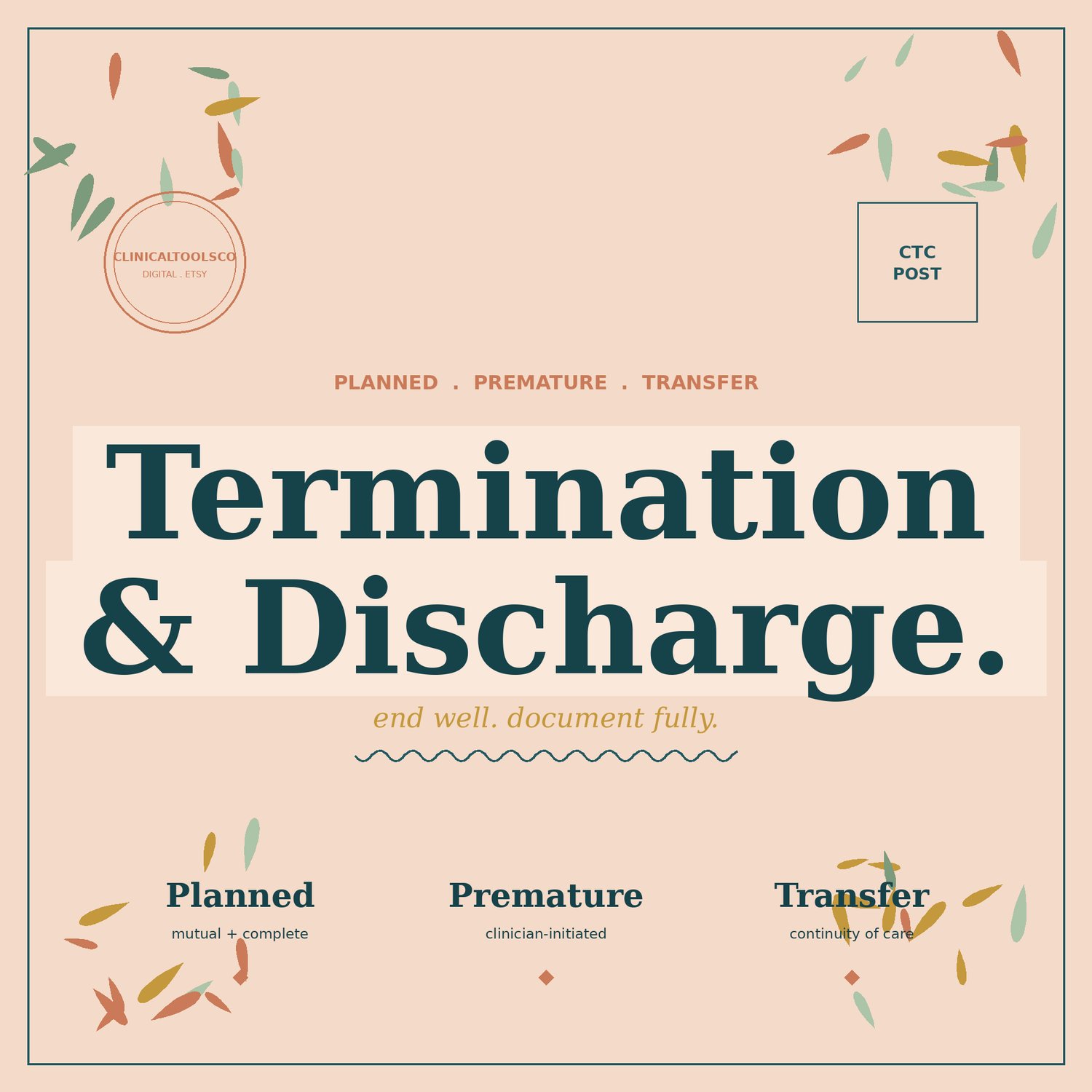
Most termination resources are a single PDF on ending therapy that covers the planned case and leaves you with nothing for the other three. The patient who stops responding. The patient you are not the right fit for. The patient who moves to a state where you cannot legally practice. Each is a different clinical and legal problem with its own paperwork, and this bundle gives you the paperwork for each one.
The four-letter set matters because every type of ending creates a different malpractice surface. The planned letter is for the chart and the patient's peace of mind. The premature letter is the document a board investigator reads first. The abandonment-prevention letter is what protects you when a silent high-risk patient forces you to close the file. The transfer letter is what the receiving provider actually uses on day one.
The sample completed discharge summary matters because most templates hand you blank fields and assume you know how to fill them well. The composite case shows the content a board reviewer or insurance auditor expects: diagnoses at intake versus discharge with ICD-10 codes, treatment plan goals with met, partial and not-met outcomes and evidence, named outcome measures with intake-to-discharge scores, interventions cited by modality, and risk status with chronic and acute dimensions called out separately.
The state-by-state records retention reference matters because the answer is not the same in California, Texas, New York and Florida. The minor records rule trips up most clinicians who only know the adult benchmark.
The eight difficult-conversation scripts are not soft language. They are the actual words to use when a patient is angry, grieving the end of a long relationship, relapsing during the termination phase, or threatening a complaint.
Format
- Editable, fillable PDF (44 pages)
- Editable Microsoft Word (.docx) with the same content for in-house customization
- Discharge Statement Bank by Disposition companion in PDF and Word
- Letter templates ready to copy into your EHR or paste onto letterhead
- US Letter and A4 sizes both included
- Works on Mac, Windows, iPad, GoodNotes, Notability
- Lifetime access, unlimited prints
Updated 2026
References current APA Ethics Code 10.10, ACA Code of Ethics A.11, NASW Code 1.16, AAMFT Code 1.10 and AACAP standards. Records retention benchmarks reflect current CMS rules for Medicare. Crisis-resource language uses the 988 Suicide and Crisis Lifeline. Diagnostic codes in the sample summary are ICD-10-CM as used in DSM-5-TR practice.
A note from the designer
I am a practicing clinician. I built this after an early abandonment scare, when a high-risk patient went silent for three weeks and I had no written process for closing the chart safely. The section I give every supervisee is abandonment risk and prevention, because that is where pre-licensed clinicians have the least playbook.
Ending well is part of doing the work.
Digital download. No physical product ships. Reach out by email if anything does not work or if you have questions.