


Trauma Informed Care Handouts (2026)
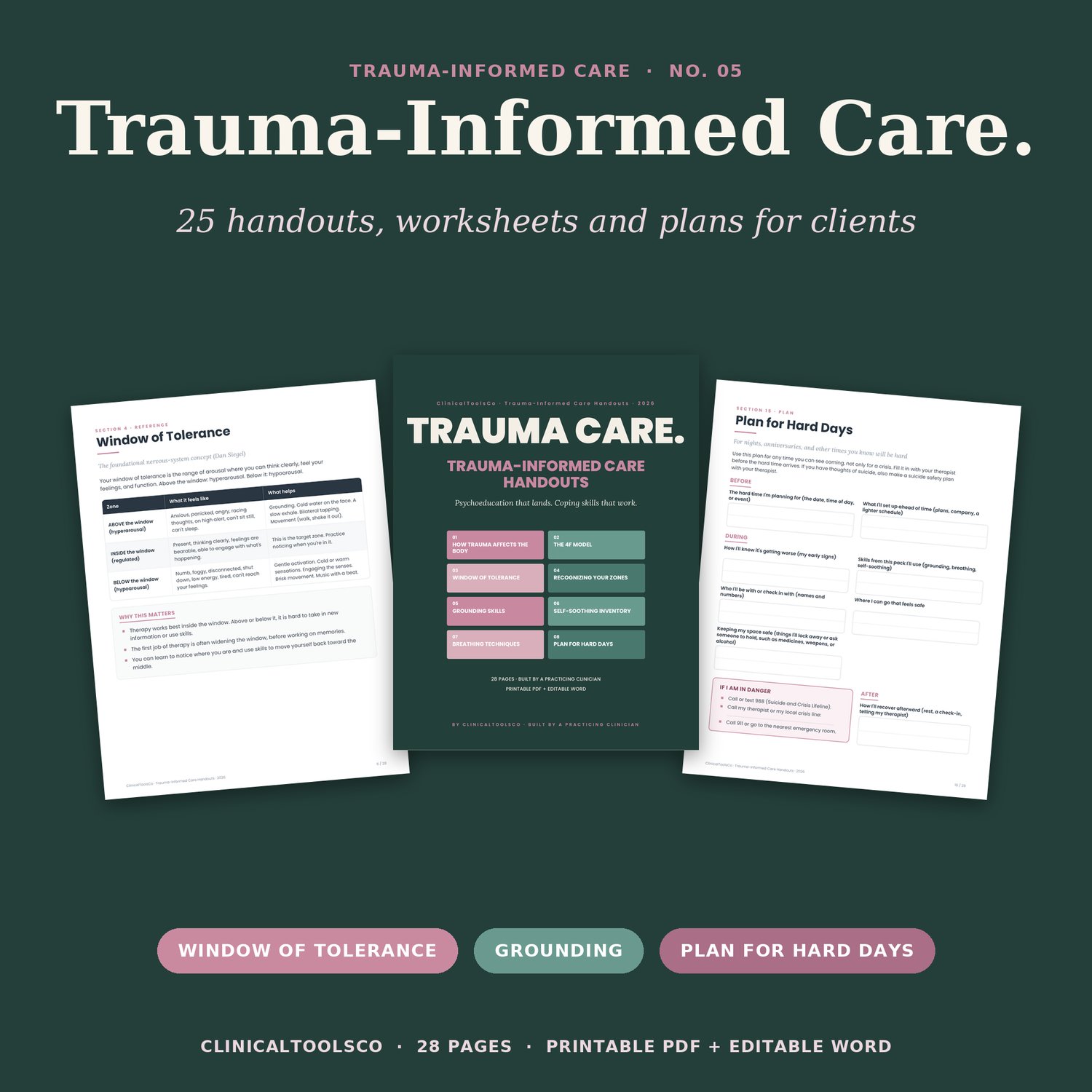
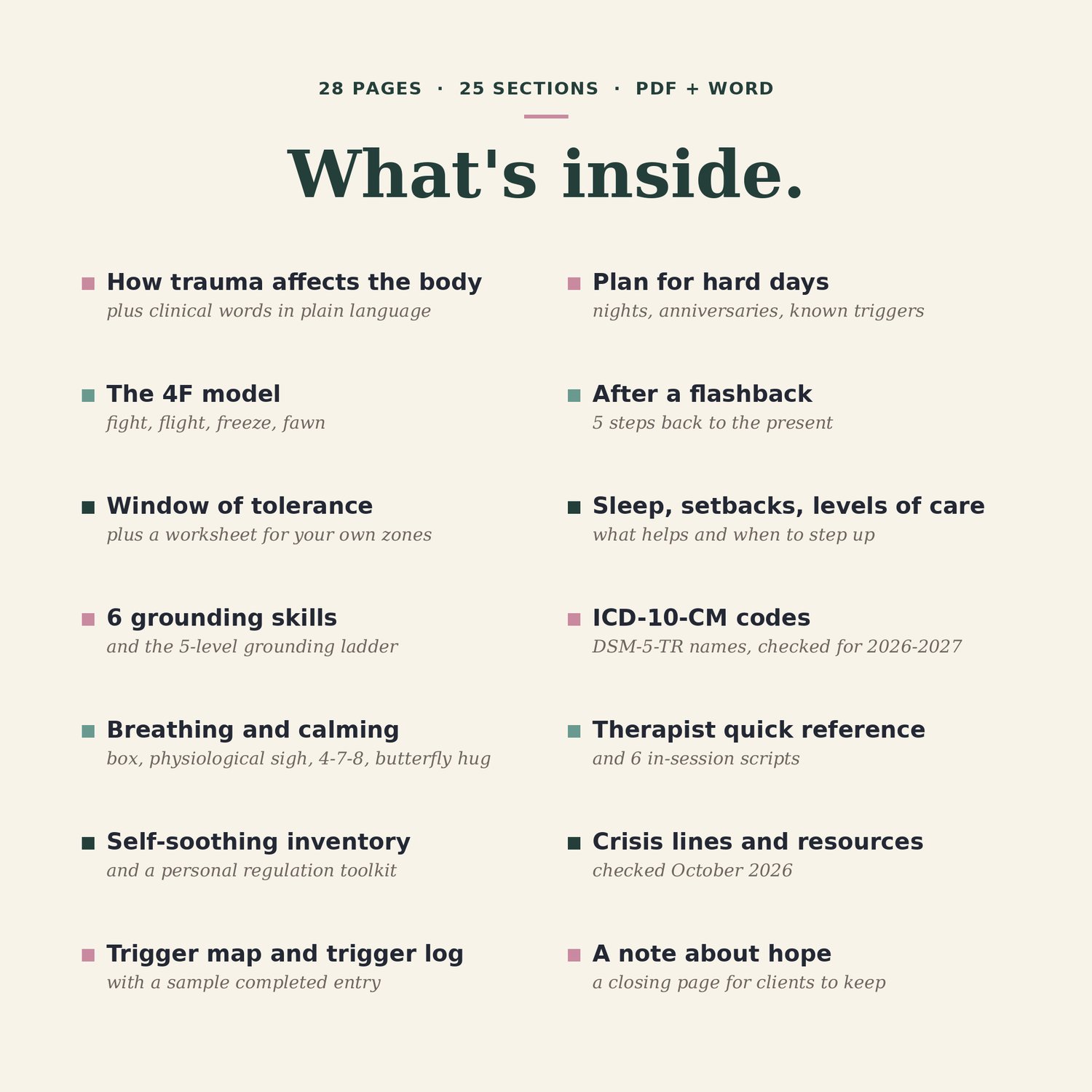
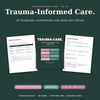
28 pages, 25 sections. Window of tolerance (Siegel), the 4F responses (fight, flight, freeze, fawn), grounding matched to intensity, a personal regulation toolkit, a trigger map and trigger log, a plan for hard days, a therapist quick reference, scripts, and client crisis resources. Built by a clinician who works with trauma daily.
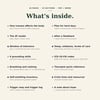
What is in the pack
- How trauma changes the body and brain, in plain language
- Clinical words in plain language: 12 terms clients hear in therapy, each explained in everyday words
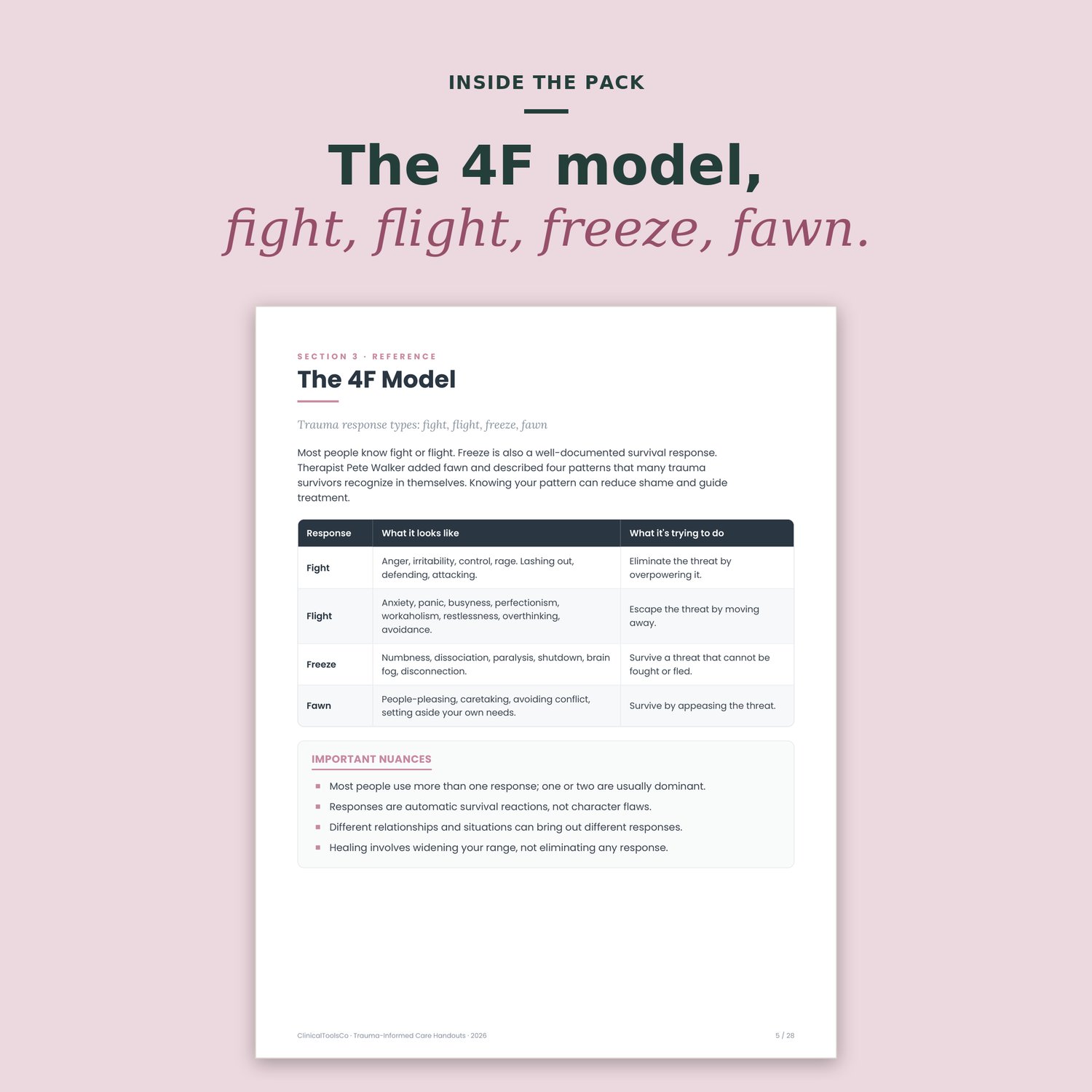
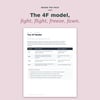
- The 4F model: fight, flight, freeze, fawn, what each looks like and what it is trying to do
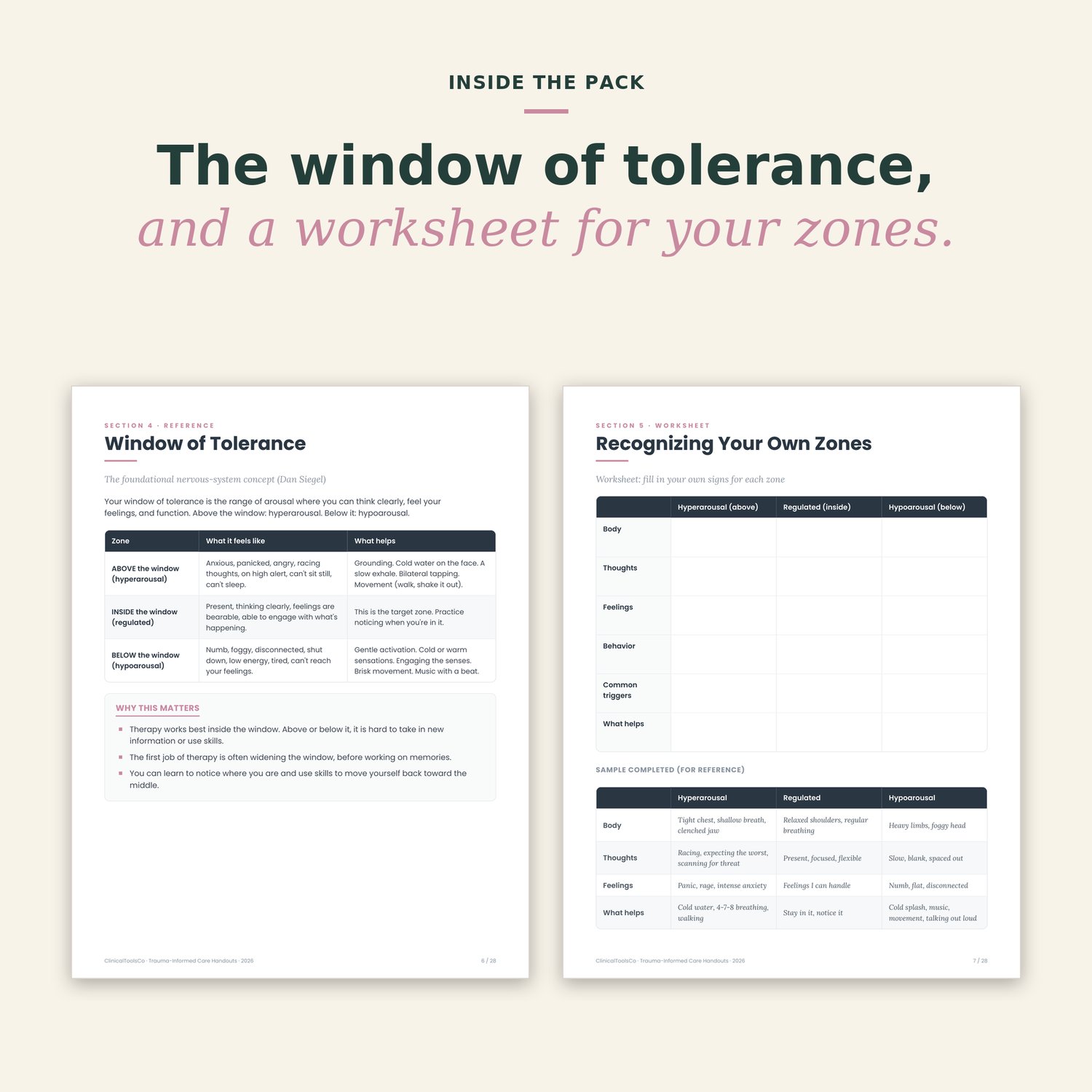
- Window of tolerance handout (Daniel Siegel's framework: above, inside and below the window, and what helps in each zone)
- Recognizing your own zones: worksheet plus a sample completed version
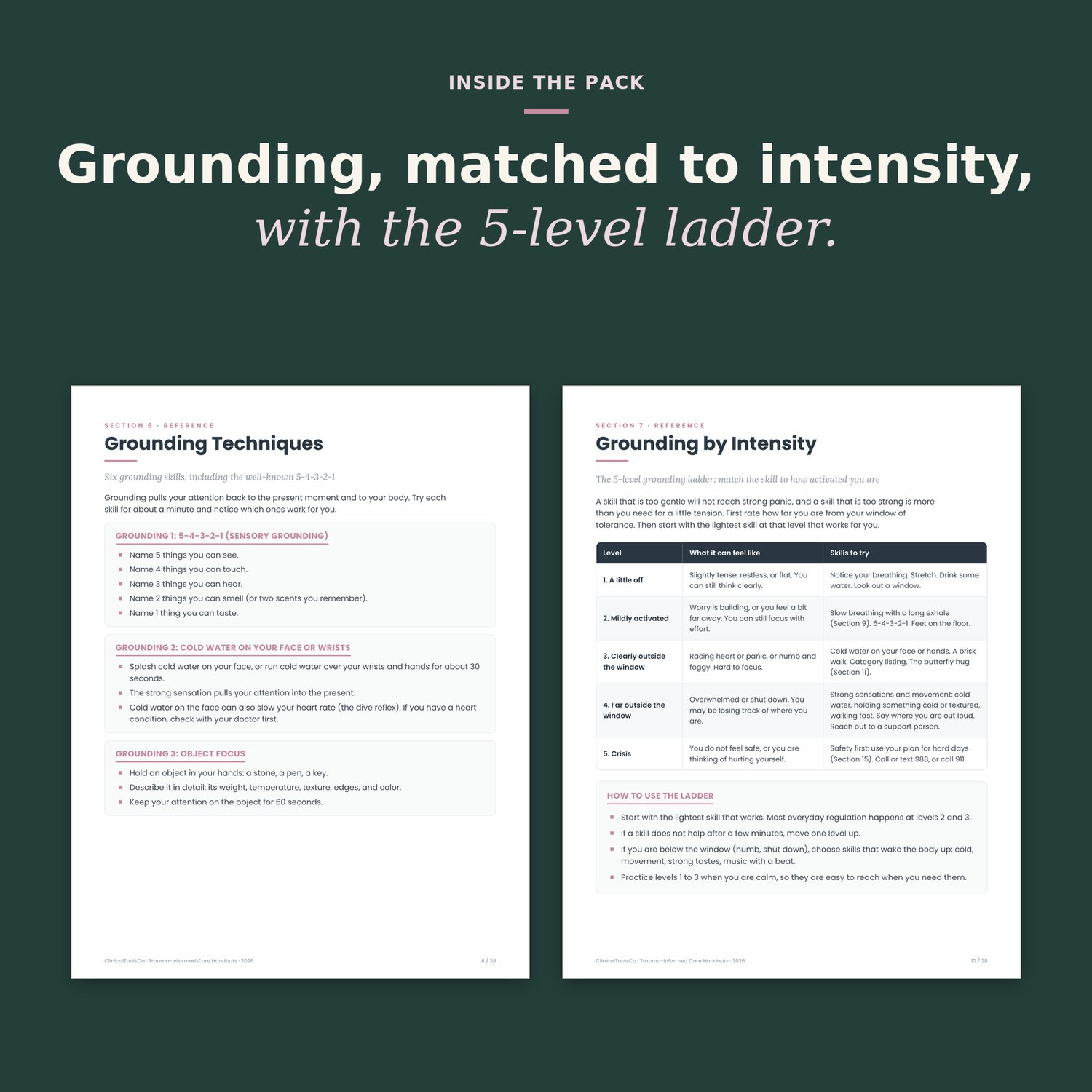
- Six grounding skills, including 5-4-3-2-1, step by step
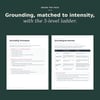
- Grounding by intensity, the 5-level grounding ladder: from "a little off" to crisis, with the skills to try at each level and the matching principle (start with the lightest skill that works)
- Self-soothing inventory by sense, with example ideas
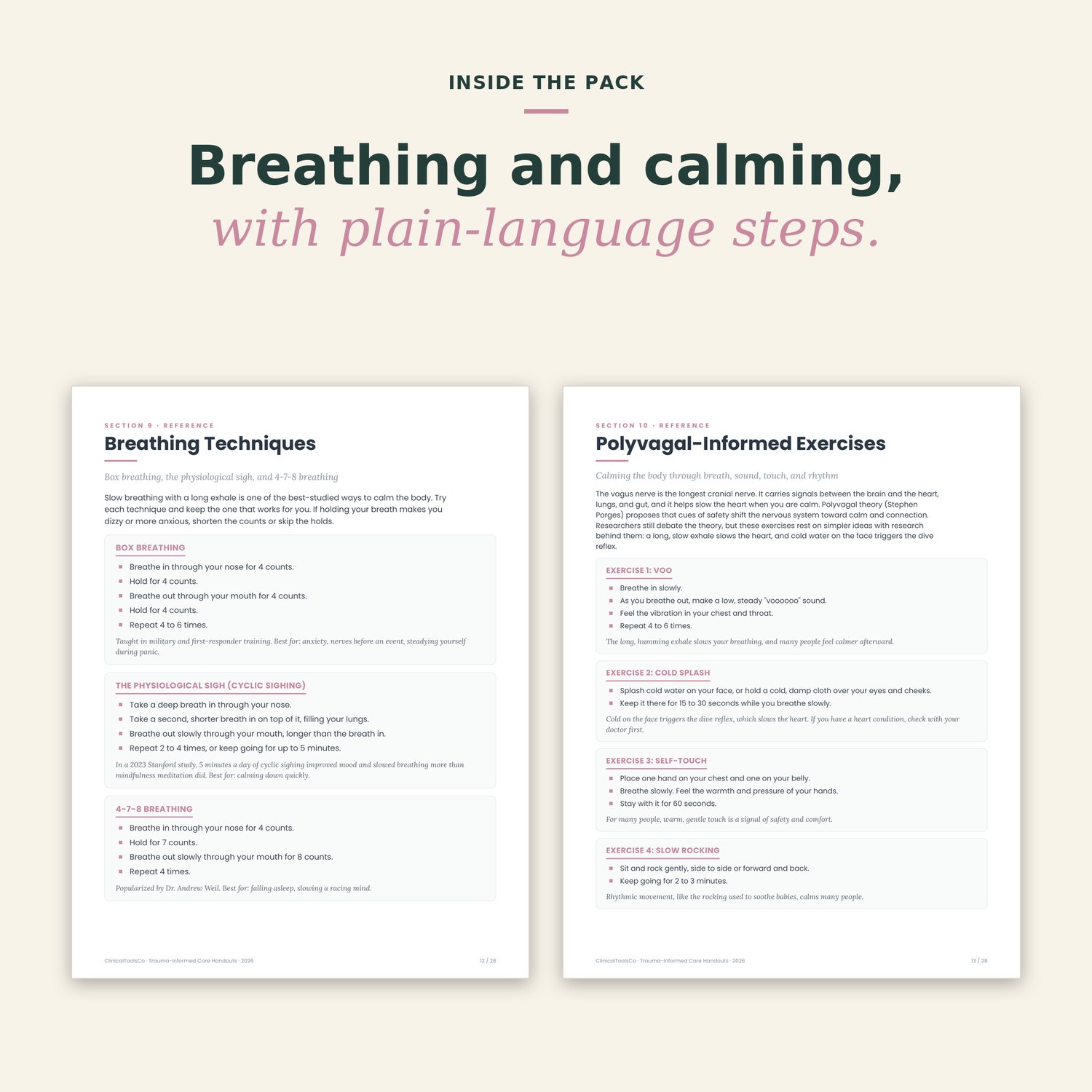
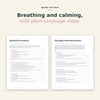
- Three breathing techniques (box breathing, the physiological sigh, 4-7-8) and polyvagal-informed calming exercises
- The butterfly hug, a self-calming tool adapted from EMDR resourcing
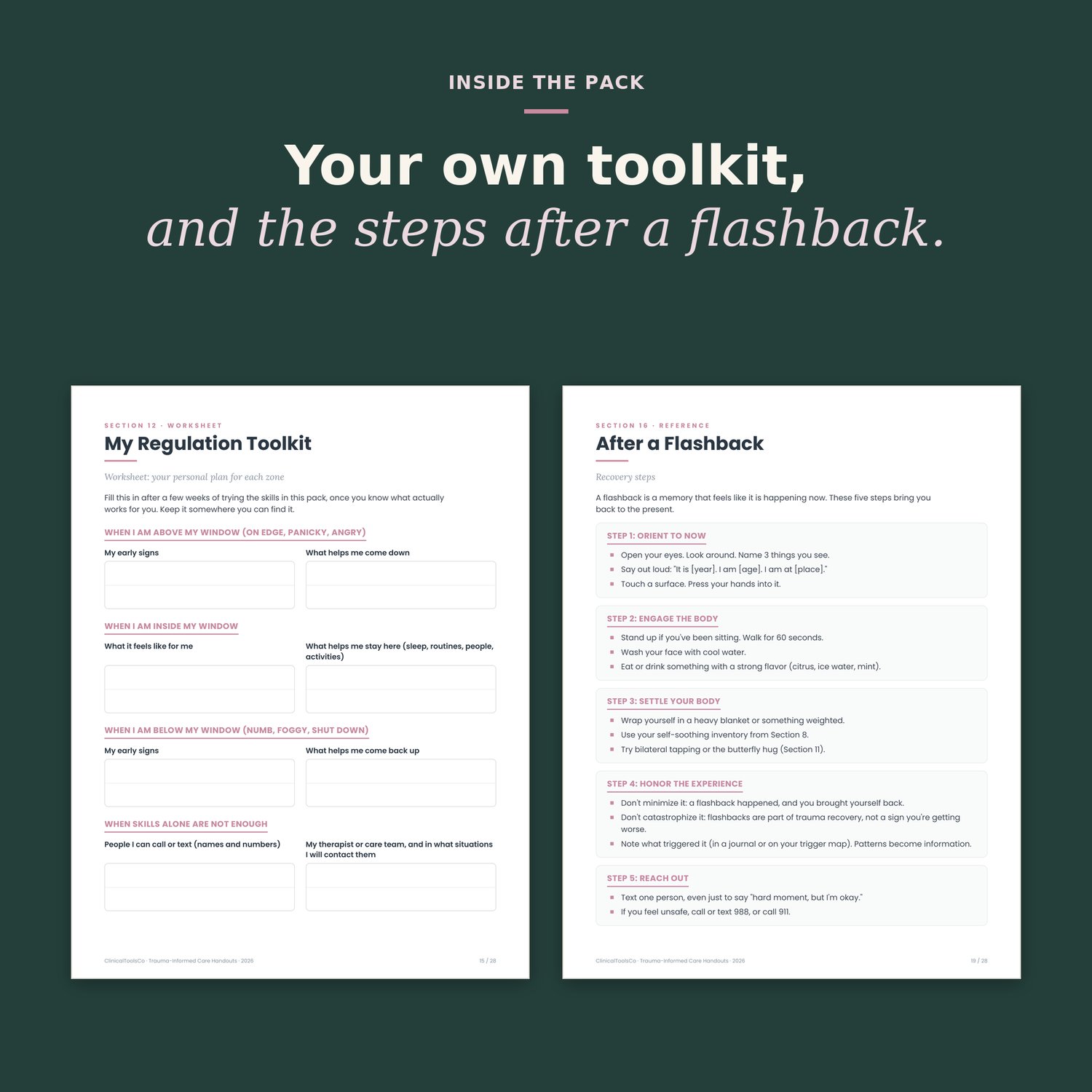
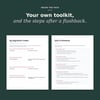
- My regulation toolkit: a personal plan for each zone, including the people to call when skills alone are not enough
- Trigger map (11 categories) and a trigger log with a sample completed entry
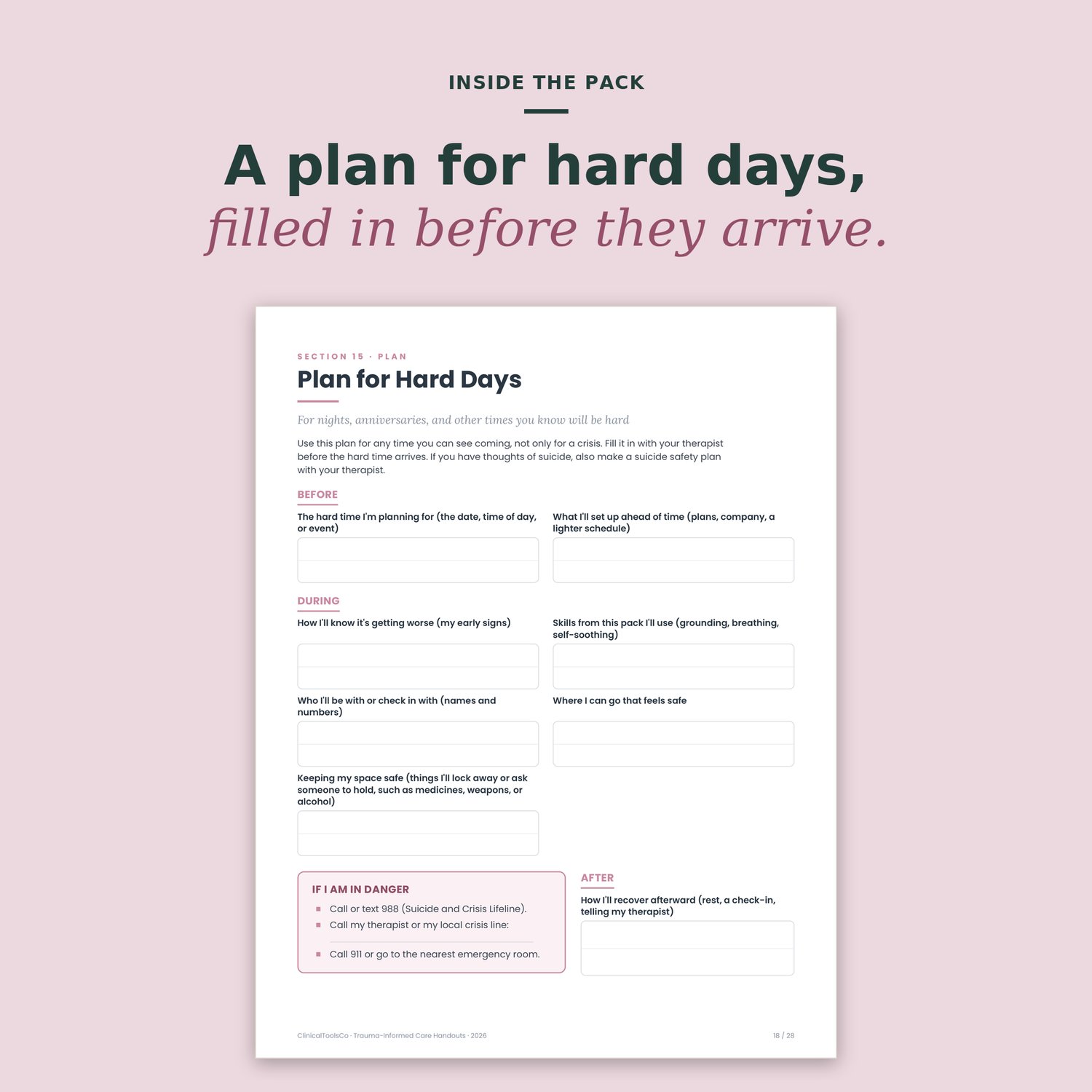
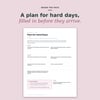
- Plan for hard days: nights, anniversaries, and known trigger times, with an "if I am in danger" box
- After a flashback: five steps back to the present
- Sleep and trauma: what helps and what does not
- Triggers vs. distress vs. retraumatization, and healing is not linear
- ICD-10-CM codes for trauma-related diagnoses, with DSM-5-TR names
- When to seek a higher level of care (IOP, PHP, residential, inpatient)
- Therapist quick reference: which handout to reach for, and when, with clinical cautions
- Therapist scripts for introducing six core handouts in session
- Client crisis resources (988, Crisis Text Line, Veterans Crisis Line, The Trevor Project, Trans Lifeline, RAINN, National Domestic Violence Hotline, Childhelp, StrongHearts, SAMHSA National Helpline), checked October 2026
- A note about hope (closing handout for clients to keep)
Who it is for
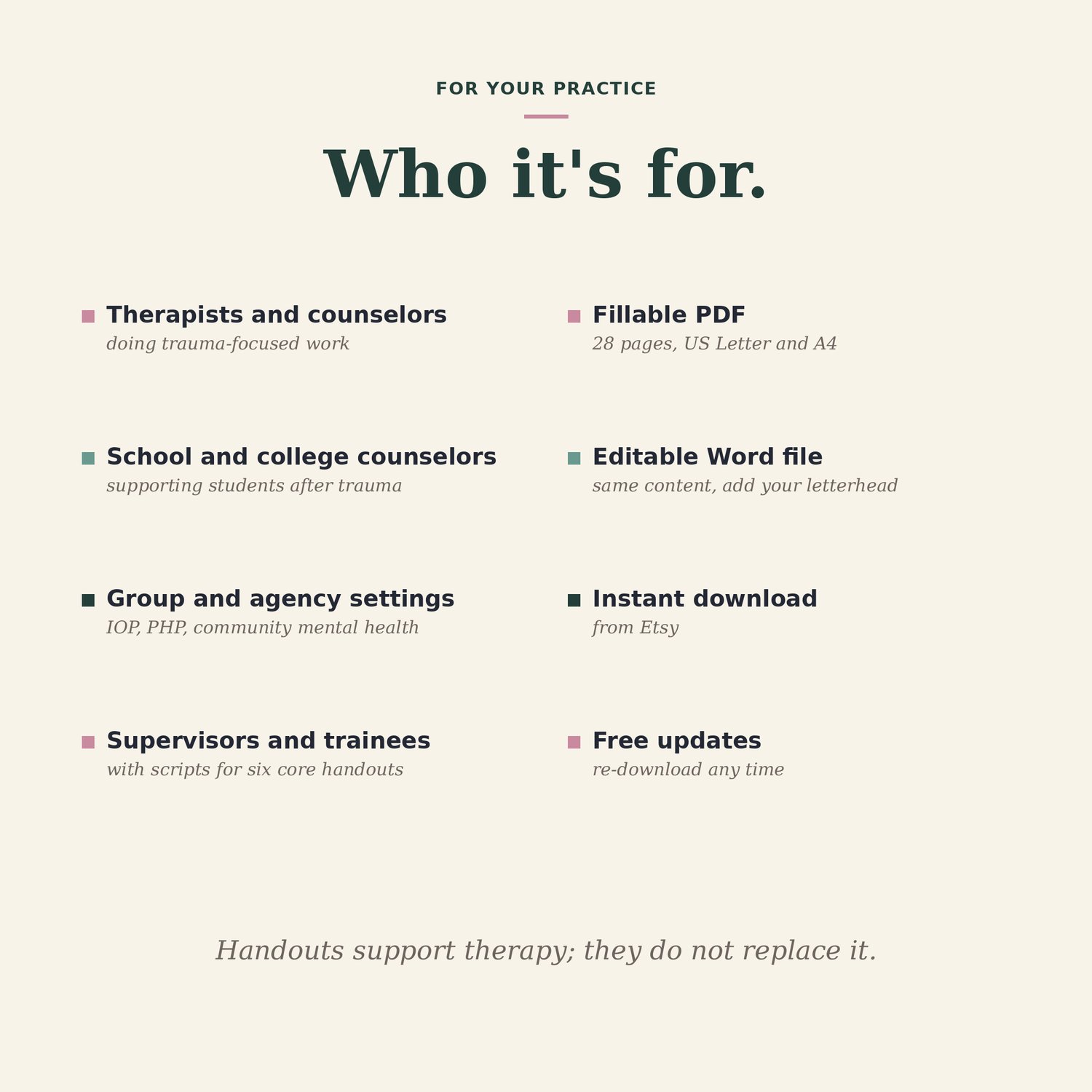
- Trauma-informed therapists (LCSW, LMFT, LPC, LMHC, LPCC)
- EMDR therapists, somatic therapists, IFS clinicians
- Trauma-focused CBT (TF-CBT), PE, and CPT practitioners
- Psychologists and postdoctoral fellows building trauma psychoeducation systems
- Group practice clinicians and supervisors standardizing trauma psychoeducation across teams
- Anyone working with PTSD, complex trauma, or trauma-adjacent presentations
- Anyone whose clients have politely accepted clinical handouts they could not use
Why it exists
"Hyperarousal" is a clinical word. "When your body acts like there's still danger" is a client word. Most trauma psychoeducation handouts use the first kind of language. Clients nod, take the page, and never read it.
This is the trauma psychoeducation pack I built after watching too many clients politely accept clinical handouts they could not actually use. Plain language, worksheets with room to write, sample completed entries, and a 5-level grounding ladder so clients reach for the right skill at the right time.
Why this is different
Most trauma psychoeducation handouts use clinical terminology that feels foreign to clients: "hyperarousal," "dissociation," "triggered," "trauma response." This pack translates each term: "when your body acts like there's still danger," "feeling far away from your body or what's happening," "set off, when something today reminds your body of something from before," "how your body and mind learned to protect you." Same concepts, language clients can use.
The grounding ladder matters because the standard grounding handout is a list. Clients use whatever they remember in the moment, which is often either too gentle (slow breathing for full panic) or too strong (a cold-water splash for mild tension). The 5-level ladder trains the matching: rate how far you are from your window, then reach for the lightest skill at that level that works. Most everyday regulation happens at levels 2 and 3.
The 4F handout matters because the standard fight-or-flight framing misses two of the four. Many clients have never been given language for freeze or fawn. The handout names all four, with what they look like and what they are trying to do.
The higher-level-care page matters because most clients (and their loved ones) do not know what counts as needing more than outpatient therapy. It lays out when to consider IOP or PHP, residential, and inpatient care.
The toolkit matters because clients use what they discovered, not what was prescribed generically. The worksheet builds a personal list of what helps in each zone, including the people to call when tools alone are not enough.
Format
- Fillable PDF, US Letter (28 pages): type into the worksheets on screen in Adobe Acrobat Reader, Preview on Mac, or another PDF app that supports forms, or print and write by hand
- Fillable PDF, A4 edition with the same content
- Editable Microsoft Word file (.docx) with the same content and a header where you can add your practice name and logo
- Most handouts fit on one page, for in-session printing or digital sharing
- Works on Mac, Windows, iPad, GoodNotes, Notability
- Lifetime access, unlimited prints for your own clients, free updates
Updated 2026
Window of tolerance (Siegel). 4F typology (Walker). Breathing techniques described in line with current research, including the 2023 Stanford study of cyclic sighing. Sleep guidance reflects the VA/DoD 2023 PTSD guideline. ICD-10-CM codes checked against the October 2026 code set. Crisis resources checked on each organization's site in October 2026, including 988. The handouts support trauma-focused treatment and do not replace clinical judgment.
How to use it
Teach the window of tolerance early; most clients have never had language for what their nervous system does. Use the 4F handout once the client trusts the relationship; many will recognize freeze or fawn as their primary pattern and feel seen for the first time. Hand the grounding ladder as homework in session 2 or 3; ask the client to use the lightest skill that works. Build the personal toolkit (Section 12) after 3 to 4 weeks of using the skills, when clients know what works for them. Complete the plan for hard days before a known hard date. Use the higher-level-care page proactively; do not wait for a crisis to introduce it.
A note from the designer
I am a practicing clinician who works with trauma daily. The language in this pack was tested with real clients before going into the final pack. The 5-level grounding ladder is the one I now use as my default sequence. The 4F handout is the one that has made multiple long-term trauma clients say, "I never knew there was a word for that." The crisis resource page is the one I always staple to the back so clients have it when they need it.
Trauma changes you. It does not have to define you. The pack is one piece of the structure that supports healing alongside an evidence-based modality and your clinical judgment.
Digital download. No physical product ships. Reach out by email if anything does not work or if you have questions.